

Not Coffee Grounds, Not Copper: Get Rid Of Slugs & Snails Easily With A Solution From Amazon
We may receive a commission on purchases made from links.
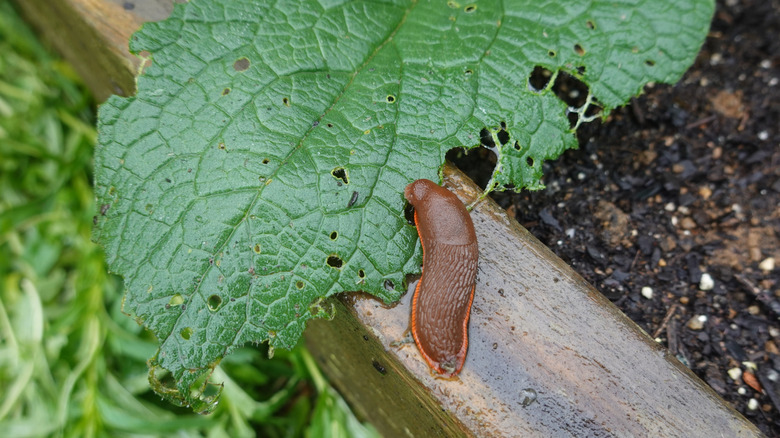
In small numbers, slugs and snails don't seem like a real threat. Slimy, slow, and googly-eyed, some people might even find these little invertebrates endearing. They're fun to admire out in nature, but slugs aren't something you should welcome in your garden. They'll happily munch on everything from your hostas and marigolds to lettuce, basil, beans, strawberries, raspberries, grapes, and apples. Aside from leaving unsightly plant damage in their tracks, slugs can also spread disease. If you live in a slug-infested area, you might consider using coffee grounds, copper pennies, or other popular myths for deterring slugs, but these can't always be trusted to keep you and your garden safe. Someone growing edible plants in a seriously slug-infested area might instead opt for a product like Ortho Bug-Geta Snail and Slug Killer from Amazon.
Ortho's Bug-Geta doesn't just repel slugs — it kills them. That might seem like an extreme choice, but slugs can carry pathogens like black leaf spot that infect garden plants. Other germs and parasites spread by slugs can make humans sick if they get into your fresh produce, such as E. coli and parasitic rat lungworms. A deterred slug may live to try again another day, but you won't have to worry about a dead slug coming back for a midnight snack.
How Ortho Bug-Geta can end your slug struggles
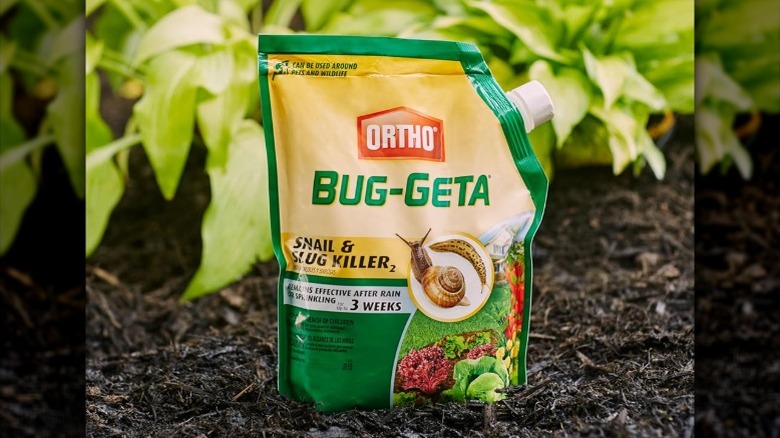
Ortho's Bug-Geta Snail and Slug Killer uses 1.0% sulfur as an active ingredient, but it also contains a bait. When sprinkled onto the ground, slugs will be drawn to the pellets as an easy food source. Ingesting the sulfur, it will slow them down and impede their digestive system. As a result, slugs and snails will usually die within one to three days of consuming Bug-Geta.
While slugs and snails won't survive their encounter with Bug-Geta, the product is safe to use around pets and other wildlife. Other popular slug bait products use metaldehyde or iron phosphate, and these can be highly effective, but they're potentially toxic to humans and pets. Sulfur, on the other hand, is a naturally occurring, non-water-soluble element that will degrade back into the soil and won't affect aquatic life. In reasonably small amounts, it has been found safe for several species of birds, fish, invertebrates, insects, and mammals. Interestingly, some users have reported that Bug-Geta can also kill pillbugs, even if it's not one of the proven methods to protect your plants from pillbugs and sowbugs.
Bug-Geta gets good reviews on Amazon, with most buyers finding it effective and easy to use, but it does have some tradeoffs. Because they won't disappear with rain, the tiny white pellets will be visible on your lawn. Using this product long-term could add too much sulfur to your soil, which might harm your plants. Finally, this only works on active, feeding slugs, so it won't prevent a new generation of slugs from hatching unless you reapply per the instructions.
Sprinkle Bug-Geta to vanquish slugs for good
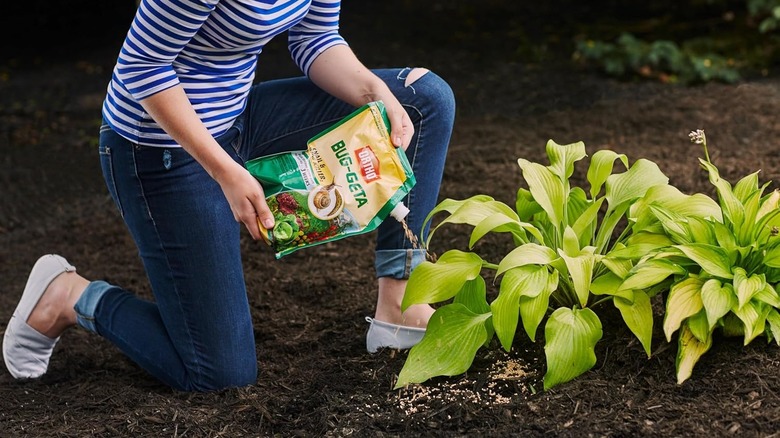
You should always follow the package instructions when applying pesticides around your lawn and garden. Luckily, Ortho Bug-Geta Snail and Slug Killer is super intuitive to use; just unscrew the cap and sprinkle the pellets on the soil around your plants, even in pots. Applying in a ring around your garden will ensure plants are protected from all angles. For the best results, sprinkle the Bug-Geta in the evening, since slugs are most active at night. One advantage that Bug-Geta has over other deterrents is that it will still work even after it rains or you water your plants. You should only need to reapply the pellets every three weeks, or until your slug population has slithered away.
If you're serious about protecting your plants and your health but a little squeamish about slaying gastropods, you could still combine this product with more humane ways to keep slugs out of your yard. Use coffee or copper around the yard and garden, then sprinkle Bug-Geta around your most vulnerable and precious plants. Slugs will read the warning signs as they enter, and if they still choose to cross your natural barrier, they'll have to deal with the consequences.