

What Is The Average Lifespan Of A Yeti Cooler?
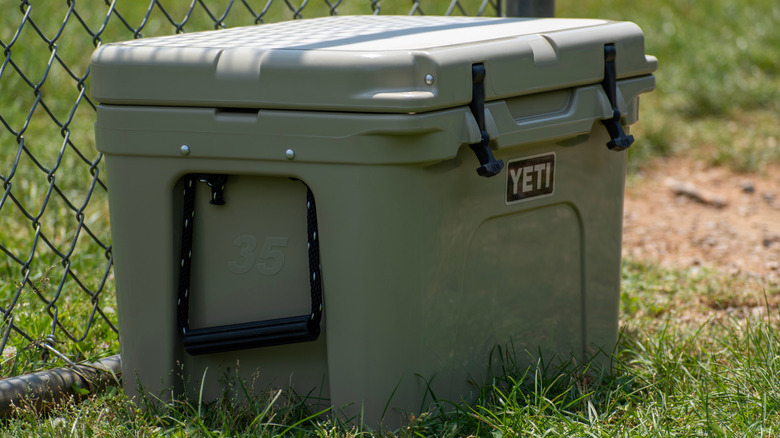
Yeti coolers are a popular pick for just about any outdoor activity, including fishing, tailgating, camping, or attending sporting competitions. But these iceboxes can cost you a lot of cold, hard cash. For reference, Yeti's smallest hard cooler, the Roadie 8 Hard Cooler, starts at $165, while the massive, bathtub-sized Tundra 350 Hard Cooler costs nearly $1,600. For those willing to invest, a Yeti cooler is one of the best backyard essentials for a luxury home staycation, road trip, or summer barbecue. Needless to say, coolers will see some wear and tear as they haul around ice, drinks, and cold picnic goods. The good news is that Yeti's coolers tend to be durable and long-lasting.
Based on Yeti's 5-year warranty coverage for hard-sided coolers like the Tundra, Roadie, and V Series, you can expect at least that many years of trouble-free usage. Soft-sided coolers, like the Yeti Hopper, have a shorter 3-year warranty period, but fans still report using these coolers for 5 or more years with no problems. That being said, common opinion seems to be that the average lifespan of a Yeti cooler is at least 10 years. In many cases, these coolers have been known to last even longer.
The Yeti brand was founded in 2006, and it's safe to say that some of the first buyers may still be using their coolers. One Reddit user reported that their Yeti Roadie 20 "still looks new" after 13 years of use. Many people point out that buying a Yeti is an investment, but you can enjoy it for years to come with the right maintenance and awareness of what Yeti's warranty offers.
Good design and proper care give Yeti coolers a long lifespan
While not exclusive to Yeti, the fact that the brand's hard-sided coolers are rotomolded is a big factor in their longevity. Rotational molding means that the entire cooler is made from one piece of plastic, eliminating stress points where pieces connect. In particular, Yeti says that the corners are very durable, which protects the cooler when you drop it on the ground or scrape it across rough surfaces. Of course, that doesn't mean that Yetis are indestructible. These coolers can still get scratched, and normal wear and tear is excluded from warranty coverage. So if you want your Yeti to look like new while holding ice for the next 10 years, you'll need to treat it accordingly.
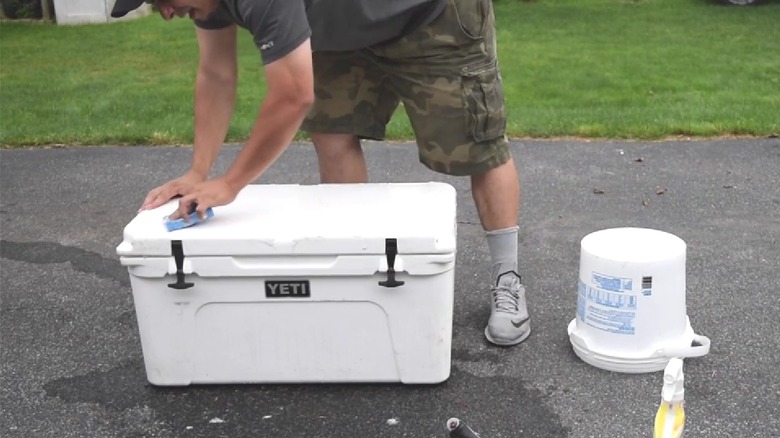
If you need to freshen up your cooler after a party, Yeti recommends washing the interior with soap and water or a diluted solution of bleach and water. If things get really stinky, the brand suggests visiting a self-service car wash where you can use a high-pressure soap to blast away bad odors. Make sure you dry it thoroughly before stashing it away.
Another factor that helps Yeti coolers last so long is that various parts are replaceable. If things like the wheels, drain plug, or shoulder strap need replacing, you can get new parts from the brand through their warranty. Another Reddit user shares this experience about a Yeti Tundra, "I've used it a lot over [seven] years ... the only thing I've needed to replace has been the seal gasket just a year ago. It still works just as well as the day I got it." If a Yeti cooler isn't in the budget right now, you can DIY an amazing backyard cooler by reusing an old mini fridge.