

Not Garlic: The Companion Plant To Add To Garden Beds For Thriving Leafy Greens
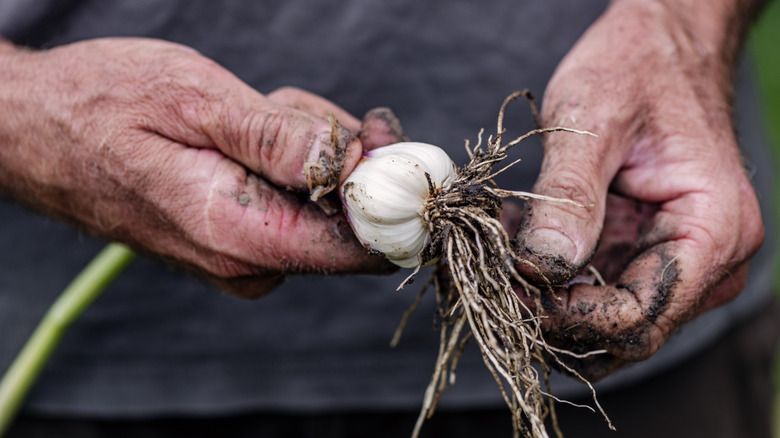
I love using garlic (Allium sativum) as a companion plant. In fact, all of the edible alliums feature heavily in my food gardens because they are a practical crop I can harvest and they deter all kinds of pests. Garlic is fantastic for a whole host of plants including strawberries, leafy greens, and root crops. However, one of the most common companion planting mistakes is just planting one companion and hoping for the best. As a permaculture grower who has been gardening professionally for over two decades, I know that the most effective companion planting involves inter-planting multiple species for the best results. In the case of leafy greens and quite a few other vegetables, I like to add white clover (Trifolium repens) to the planting space.
A lot of gardeners spend a lot of energy trying to eradicate white clover from their lawns and flower beds, but I use it as a living mulch that benefits the plants it's growing with, and, at the end of the season, when I cut it down, it quickly breaks down and replenishes the soil. It's a very effective living mulch, spreading in a nice thick blanket between plants. Once it flowers, it attracts hordes of pollinators. Even though you don't need these for your leafy greens, they are still invaluable in the rest of the garden. However, though it's safe to grow in my area, white clover is listed as invasive in a few states, including Oregon, Wisconsin, Kentucky, and West Virginia, so it's important to check your state rules before you introduce it into your garden.
Why you should use white clover for your leafy greens
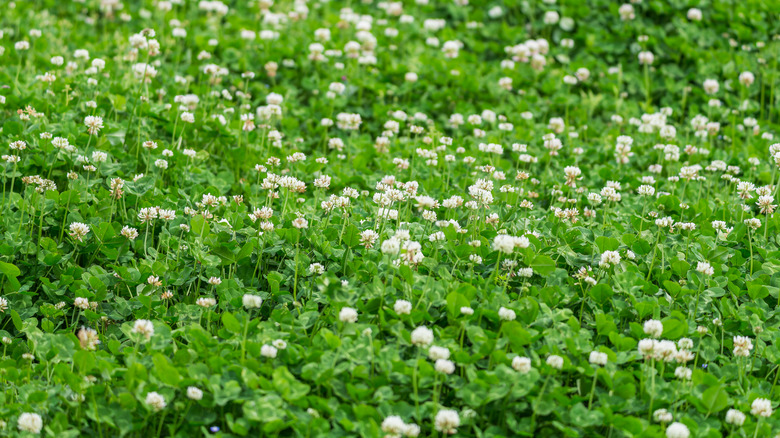
There are loads of low-growing ground covers to choose from, but I like white clover because it's easy to grow, short-statured, attracts pollinators, suppresses weeds, and retains moisture beautifully. Plus, white clover has the advantage of being a nitrogen fixer. That means that it has a mutualistic relationship with specific bacteria in the soil. These bacteria latch on to special nodules on the clover's roots. They convert atmospheric nitrogen into a bioavailable form that the clover can use. When the clover decomposes, it breaks down and releases its high nitrogen content into the soil. This is exceptionally valuable for leafy greens, as these plants need a steady supply of nitrogen to grow the best possible crop. In return, the bacteria get an all-you-can-eat buffet of nutrients from the white clover roots.
The thick, fast-growing short blanket of white clover also acts as a living weed suppressant, keeping problematic weeds like stinging nettles at bay and allowing your leafy greens to flourish. While smothering weeds and preventing their seeds from germinating, the white clover also protects the soil from excessive runoff during heavy rain, scouring from high winds, and drying out from too much sun. It's very good at keeping the soil moist and cool. The spreading network of roots can also help to stabilize and hold soil in place, making it a good choice if your garden bed is prone to erosion. White clover is an easy, smart alternative to other garden mulches like bark chips or well-rotted manure that will keep giving back to the soil both while it's growing and after you cut it down.
How to grow and contain white clover as a companion plant
White clover is an easy and low-maintenance ground cover to grow from seed. Just sow it thinly directly where you want it, and be prepared to thin it once the seedlings pop up. They'll spread fairly rapidly and begin to form mats. Because of how fast and how well they spread, you do want to trim the plants back and don't let them set seed too freely. You may also want to consider installing root barriers around the edges of the bed so the clover doesn't escape and spread via its stolons into other parts of the garden.
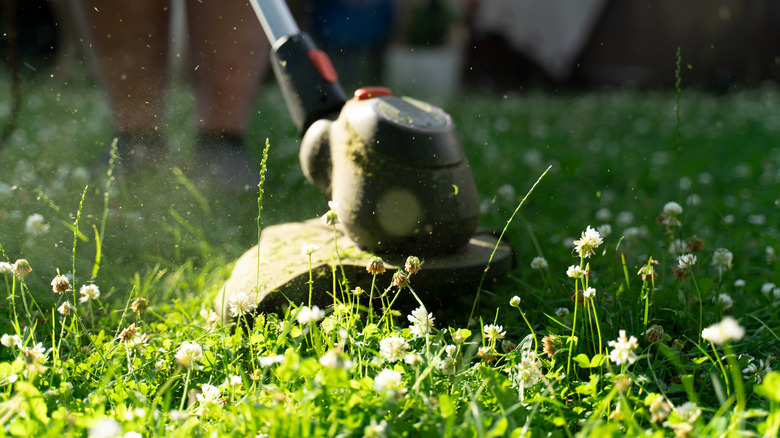
It's a good idea to make sure your cabbage and your leafy green seedlings are a good few inches tall before you sow the clover so it doesn't outcompete them. Additionally, I recommend that you pull the clover away from the base of the plants on a regular basis, as you don't want the stems of your leafy greens to be overwhelmed or to stay too moist. If you think the plants are getting too tall, they will tolerate being mowed regularly once they're established. However, I try not to do that while the clover is in flower because I like to let the pollinators have access to a steady food supply. If you do want to mow or strim, be mindful when you're planting your leafy greens — make sure you've left enough space between plants and rows to get a mower or strimmer head between them when they are at their biggest. Cut the white clover as low to the ground as you can when you finish harvesting from the bed and leave the cut foliage to break down into the soil.