

Chemical-Free: The Bizarre Way Southern California Is Handling Mosquitoes
We may receive a commission on purchases made from links.
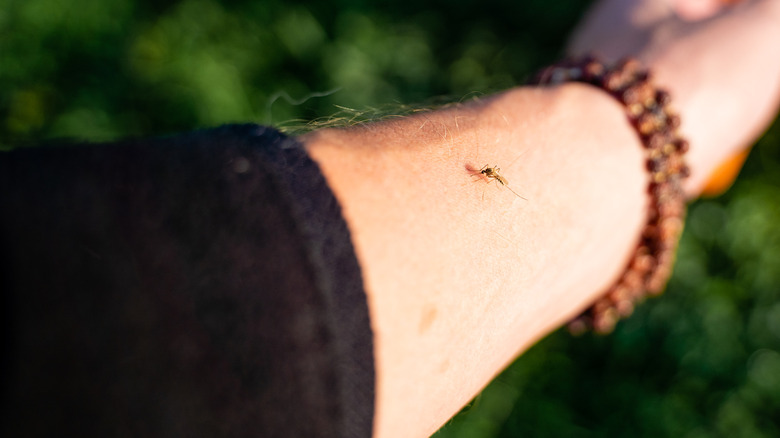
Mosquitoes are dangerous insects, capable of transmitting diseases including dengue, malaria, and the West Nile Virus. For this reason, the United States uses several methods to reduce populations, including chemicals like pesticides and larvicides. This method successfully kills off large populations of mosquitoes but also harms other insects, including bees. Thankfully, a new solution has been found that works to reduce populations over time by preventing eggs from hatching, and will now be practiced in Southern California by the San Gabriel Valley Vector Control District. The process involves sterilizing male mosquitoes and releasing them into the wild.
Specifically, this method is being used to target yellow fever mosquitoes (Aedes aegypti), an invasive species. Though it sounds counterintuitive to release more of these pests into the wild, it is an effective way to reduce populations. Known as the Sterile Insect Technique (SIT), it releases males carrying a bacteria naturally found in many insects, known as Wolbachia. According to the World Mosquito Program, when males are given Wolbachia, it causes sterilization. Though they can still mate with females, the eggs they produce will not hatch, decreasing the population slowly. To make sure they are as effective as possible, the team plans to release over 30,000 male mosquitoes, spread out in weekly releases until October 30th. The males tend to live only 6 or 7 days, so this helps to ensure that male mosquitoes are around to breed for the rest of the season.
Wolbachia and other sterilizations are not a new method
This is not necessarily a new process. SIT has been used all over the globe since the 1950s or so. In addition to mosquitoes, it works to manage screwworm and fruit fly populations. However, radiation and gene modification were the two most common methods to cause male sterilization previously. Invasive varieties of mosquitoes also tend to spread the most dangerous diseases, and with their habitat ever-expanding, the risk is coming to more Americans. For example, back in late 2025, an invasive mosquito breed was found in Idaho. It happens to be the same species that Southern California is trying to control — yellow fever mosquitoes.
SIT may be an effective method across the country for long-term disease reduction. According to Scott O'Neill, the CEO and founder of the World Mosquito Program, during an interview with UChicago News, there may even be more that scientists can do: When both males and females are given Wolbachia, it acts as an antiviral. While it won't stop these pesky bugs from biting you, it would prevent the spread of disease, making for a less hands-on approach that requires us to use fewer chemicals down the line for this specific species of mosquito.
Though this program helps, you still need to protect yourself

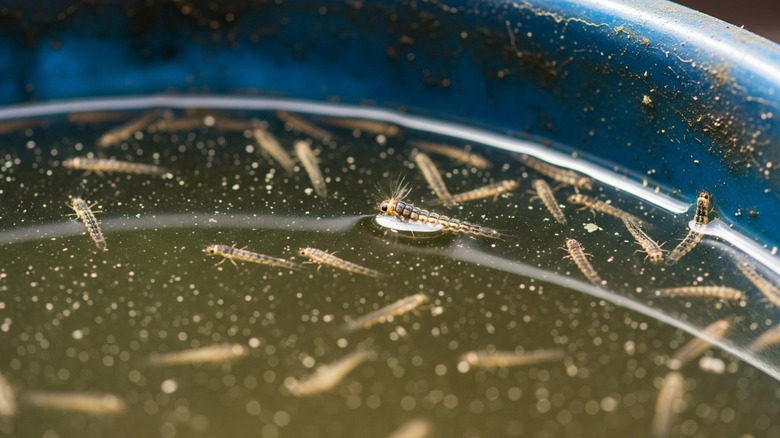
The nice thing about this method is that it's species-specific and will not harm other insects like chemicals would. However, the downside of this method is that this is a process that takes a bit of time. While the next generation of mosquitoes in the area should decrease, there will still be biting females that carry diseases. To keep yourself safe from disease, itchy bites, and to do your part in slowing their reproduction, you'll want to make sure you don't have stagnant water lying around. It takes about 7 days for larvae to turn into adults, so you want to get rid of any standing water at least once a week. For example, the overlooked way to keep mosquitoes out of your birdbath is simply to change out and refresh the water every so often.
You'll also want to protect yourself from getting any bites, such as using a bug spray. Products with DEET are usually considered one of the best options. However, there are alternatives, such as the natural, non-DEET repellent Consumer Reports recommends — Repel Plant-Based Lemon Eucalyptus Insect Repellent.