

The Citrusy Herb You Should Grow If You Like Lemon Balm
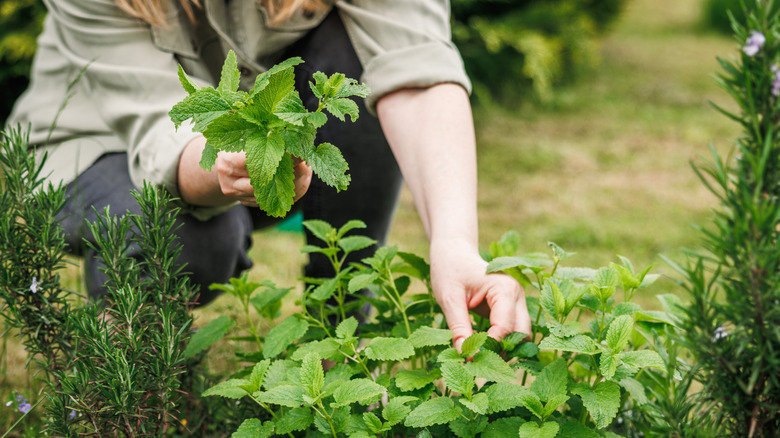
French sorrel (Rumex scutatus) has largely fallen out of favor in American gardens, which is a real shame, as it's a fabulous citrusy herb. It's not a true substitute for lemon balm, because lemon balm is all about the fragrance. When you brush against it or crush a leaf, you immediately get that sweet citrusy scent. French sorrel doesn't smell particularly lemony if you walk past a plant or rub it between your fingers, but when you bite into a leaf, you get that wonderfully sharp, mouth-puckering lemon-apple flavor. Use sorrel sparingly and chopped finely in salads and in slightly larger amounts in soups and stews. It's a very good choice for cutting through richness in heavy dishes that contain butter, cream, or oily fish.
As a master gardener and herbalist with several decades of experience, I like to preserve those plants that perform well or taste wonderful but that have fallen out of favor or are underused. This woefully underrated herb can bring a whole new flavor dimension to savory dishes, from salads to soups and stews. Interestingly, unlike many common herbs, French sorrel belongs to the buckwheat family, not the mint family. It forms a spreading clump and can self-seed freely, but removing the flower stalks makes it much easier to keep within bounds. It also doesn't spread as rapidly as lemon balm, as it has a tap root instead of rhizomes.
How to grow French sorrel
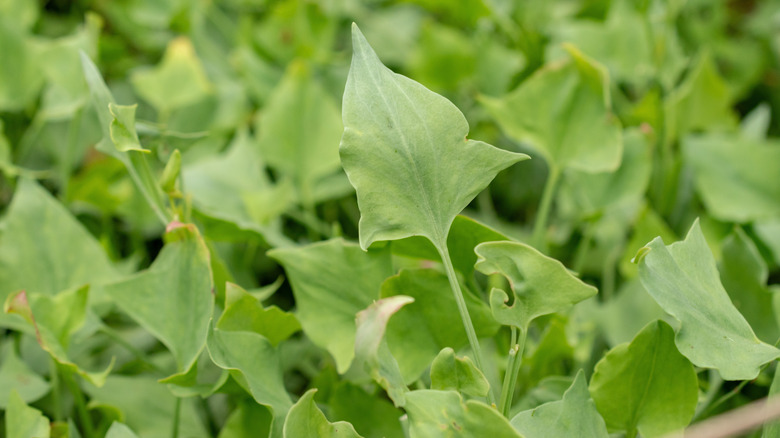
French sorrel is a low-growing perennial that's hardy in USDA Zones 4 through 9, and one of the reasons I like it in my garden is that it's not terribly fussy or dramatic. It's an easy herb to grow from seed and will cope in full sun or partial shade. This herb will, once established, tolerate periods of drought, but it will need supplemental watering during prolonged dry periods. Younger plants will also need watering regularly while they get themselves established. You'll also get softer, more flavorful leaves with nice sharpness and less bitterness if you provide regular moisture in very hot weather. One thing it won't tolerate is waterlogged soil. Like many plants, French sorrel does not like constantly wet roots.
It's also a nice choice if you are limited for space or want herbs for your patio, as French sorrel copes well with container growing. This is handy if you want to limit the spread and don't want to worry about seeds germinating everywhere. If you're growing it from seed, you can sow directly outdoors or under glass. If you're growing outdoors, press the seeds into fine, well-drained soil in full sun and cover them with about an inch of soil or potting mix. If you're getting them started indoors, do so about three weeks before the last frost and transplant the seedlings outside once the weather settles. Space or thin the plants to about a foot apart so that each clump has room to fill out properly. Do bear in mind, however, that you'll only need a couple of plants, as you'll only have use for a few leaves at a time.
How to harvest French sorrel and keep it vigorous
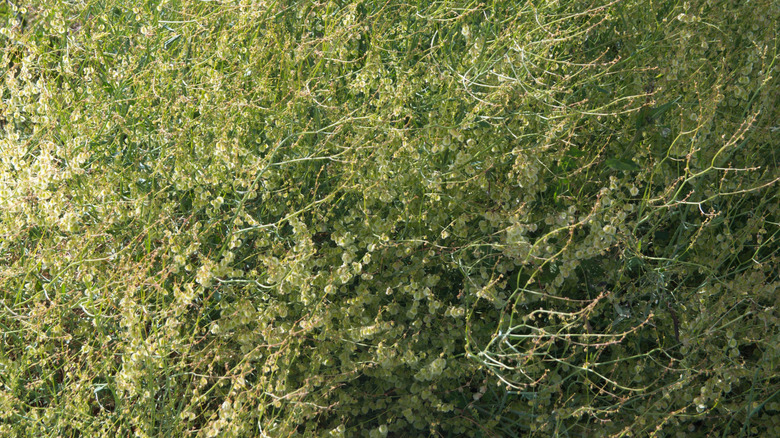
Harvest the youngest sorrel leaves for salads, as these are the ones with the softest, most pleasant texture and the best flavor raw. Older leaves are still perfect for cooked dishes. If a plant sends up flower stalks prematurely, often in response to stress, gardeners refer to this as bolting. Even normally timed flower stalks are worth removing if leaves are your priority. If you let them run to seed, your sorrel will put all of its energy reserves into finishing the seed cycle, so leaf production will drop off and the existing leaves will quickly become unpleasantly bitter.
As a sorrel plant ages, the clump can get large and overcrowded. Every three or four years, you may want to lift it and divide it into smaller plants. This means there's less competition for nutrients and space in a small area, which can reinvigorate a slow, bulky French sorrel plant that's struggling to keep putting out fresh leaves. The best times to divide French sorrel are either spring or fall, as this gives the plants enough time to establish themselves and recover from divisional transplant shock either before winter sets in or before the heat of midsummer. If you let your French sorrel run to seed at the end of the season, you will find that it does self-seed very readily. This is fine if you're trying to let nature fill a gap in the border, but if you don't want endless sorrel plants and the area isn't mulched or doesn't contain enough established perennials to outcompete the seedlings, you may want to regularly pull them out after they germinate.