

Say Goodbye To Concrete Blocks: Build A Retaining Wall With An Impressive DIY
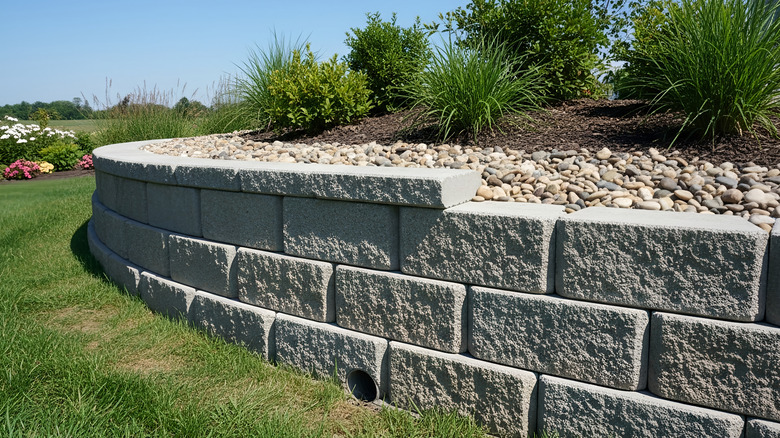
Looking at how to choose the best type of retaining wall? Perhaps you want to make a sloped backyard more private, or you want to replace your current gravity wall with something that better suits your garden. Concrete blocks are a popular material to use for retaining walls, but they aren't always the most attractive option. If you can handle a landscaping project and you fancy a challenge, then you may want to try building your own DIY dry stack stone retaining wall.
You may be asking yourself, why is a dry stack stone retaining wall a better option than concrete blocks? They both have their pros and cons, but a dry stack stone wall is visually more appealing, highly durable, and cost-effective. To build your own, you'll need a shovel to dig out the footings with, some gravel to use as a base, and your choice of stone. Just keep in mind that this is quite a time consuming project; it's likely to take a skilled DIYer at least a day to build a wall that's 15 square feet.
How to build a dry stack stone retaining wall
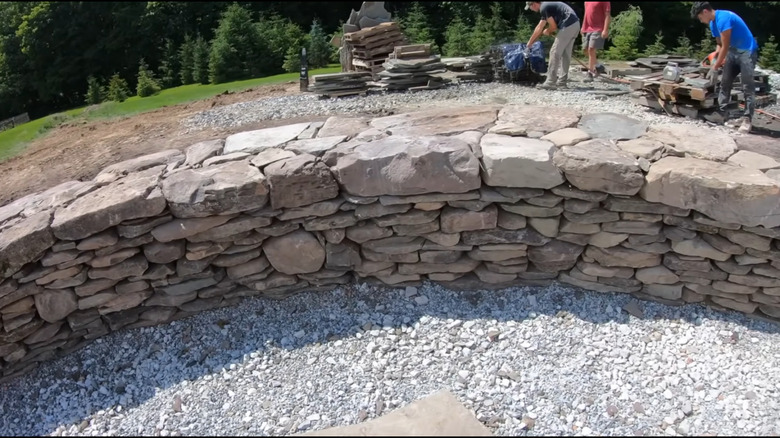
The process of building a dry stack stone wall is complicated. Unless you have prior experience, you may want to consult a professional tradesperson. However, if you're willing to take on the project, carefully follow these steps.
First, figure out the wall's base and height thickness so you have your measurements in order. Use a shovel to dig out a footing, then lay a base of gravel that is two inches thick and compact it down as much as possible. Now it's time to start laying your stones. It's best practice to lay the larger stones first, so they effectively take the weight of the wall. A top tip is to angle the stones slightly inward to counter balance the pressure of the soil that lies behind the wall. Furthermore, it's a good idea to backfill behind your retaining wall with gravel or soil for drainage purposes on top of improving its structural integrity.
To finish off your dry stack stone wall, consider capping it with made-to-measure capping stones. Not only will this achieve a professional look, but it will also prevent any rain water from getting into the wall and damaging it. On the other hand, if you're not satisfied with the result, consider using another unique and durable material for your retaining wall.