

What Eats Slugs? Wildlife To Attract To Tackle The Pests Naturally
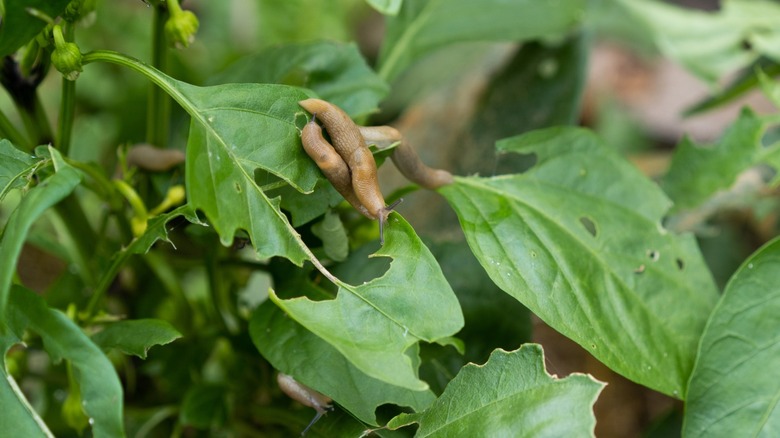
Slugs are slimy little pests, but the havoc they can wreak on your garden is often immeasurable. They chew through your favorite plants and can break your heart overnight. While it's tempting to reach for pesticides, you don't want other wildlife to become collateral damage. One of the best solutions is to call in backup. Your space already has a small army of predators that treat slugs as a primary food source, and unlike bait, they don't stop working until the supply runs out. If you want to get rid of slugs, or at least minimize their damage, without doing the dirty deed yourself, you can turn to wildlife that would love to do the work for you and your pretty garden.
The predator list is broader than you might expect. Since slugs come out at night, your best line of defense is with wildlife that hunt after dark. Toads are at the top of that hit list because they can eat dozens of slugs in a single night, not to mention a slew of other annoying insects. But they aren't the only option. Birds and even chickens can help with early-morning patrols, while ground beetles (Carabidae) are happy to find slug larvae buried in the soil. After you've added textured plants to your garden slugs can't stand, slugs may still keep hanging around your garden. Find out how to set your space up for success by keeping them out naturally.
How to bring slug-eating wildlife to your yard
When you've done everything you can think of, including removing slug-attracting plants in your garden, it might be time to call in reinforcements. And by reinforcements, we mean natural slug predators. Maybe the best thing about having a natural line of defense is they don't look twice at your growing plants. Instead, they home in on the pests that do.
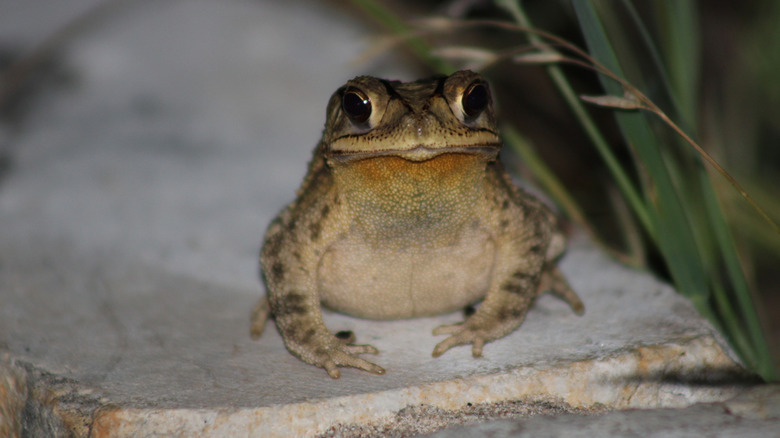
Toads are slugs' worst nightmare. If it's a pest that comes out at night, a toad will turn it into a late-night snack. From April to October, a single common toad is like a bottomless pit. You can coax toads into your garden by giving them a quiet, comfy spot to rest during the day, like turning a broken terracotta pot into a cute shelter, and they'll work overtime for as long as 10 years to keep slugs away from your garden.
Certain birds can handle the early morning garden shift, but not every bird is a slug eater. Robins, blackbirds, and jays are big enough to devour them, but you'll need to have an enticing garden, like adding a birdbath or birdfeeder, to encourage regular visits. They'll come for the seeds, but they'll stay around for the slugs. Other slug predators don't have as much charisma. Ground beetles are the soil dwellers that do the work behind the scenes. Slug eggs are like caviar, so they cut off the problem before it hatches.