

Neither Concrete Nor Stone: The Durable Retaining Wall Material That Lasts Longer
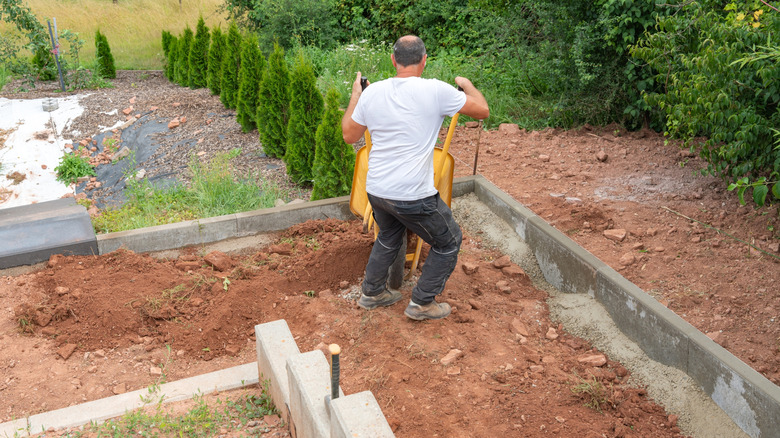
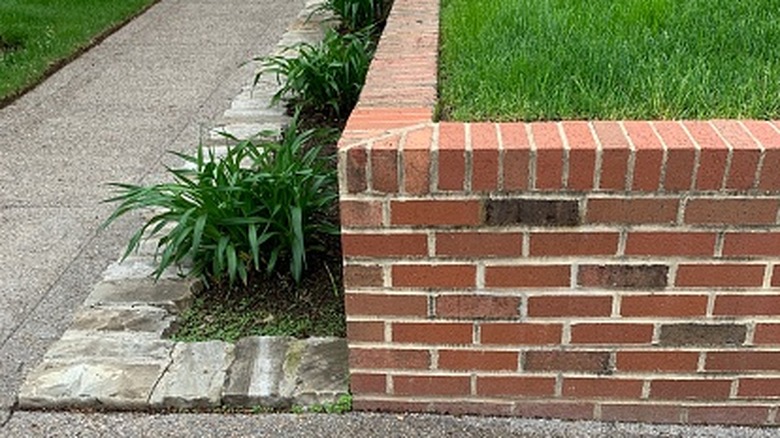
Few hardscaping features make a better statement in a sloped front yard than some well-placed boulders or a concrete retaining wall. But if you're looking for a retaining wall material that looks good and is long-lasting, there's another material to consider. No, we're not talking granite or concrete or hardwood; for durability and longevity, brick is one of the best retaining wall materials out there. A brick retaining wall can last a century or more if well-constructed. What's more, brick looks charming and ages gracefully. It's typically chosen by homeowners and garden designers alike for its timeless appeal.
This non-combustible landscaping material — brick has a fire rating up to four hours — is made of clay that's kiln-fired at high temperatures. It won't rot or develop mold like timber eventually will (though mold and mildew can grow in it), and some brands of brick can withstand impacts from flying debris caught in 79-mile-per-hour winds. Though brick is made from organic materials, it's too hard for pests to nibble on. A well-made brick wall with mortar has few crevices and hidey-holes for creatures to make their homes in.
Similar to natural stone retaining walls — a retaining wall trend you don't see (and that's the point) — brick walls require little to no maintenance when properly installed. Since the color is created through chemical reactions during the firing process, it's baked into the bricks. The color can fade over time, but any changes are usually subtle. Bricks also don't need to be painted — although you can paint them — and the finish will never flake off. You can transition seamlessly from a brick retaining wall to a free-standing retaining wall across your yard, and if you live in an area with freeze-thaw cycles, you can even get severe-weather-resistant bricks.
Costs and considerations when building a brick retaining wall
No matter what type of material you choose, you'll need to adhere to a list of dos and don'ts for building a retaining wall. The stakes are a little higher when you're building a brick wall that could last a century or more. That's why bricks are a decidedly less DIY-friendly material. While the building codes vary depending on location, walls over 4 feet typically need to be designed by an engineer. You'll likely also need to submit a permit application. Even though brick is a relatively inexpensive retaining wall material — about $30 to $60 per square foot — you need to add the cost of a mason, averaging $40 to $100 per hour, and engineering fees of $100 to $220 per hour.
However, given that trapped water from poor construction is one of the biggest causes of failures for retaining walls, this is money well spent. An engineer will account for hydrostatic pressure and drainage solutions, which vary considerably depending on your soil type, the degree and size of the slope, and local rainfall. When building a brick retaining wall, installers usually create a footing and cinder-block core. The brick acts as veneer; it's the attractive facade of the retaining wall. If your retaining wall transitions to a freestanding wall, the costs will increase because the freestanding wall requires brick on both sides. Thankfully, you won't have to do much to keep your brick retaining wall in good shape, other than repointing the mortar joints every 25 to 50 years and clearing the weep holes, saving you money on maintenance.