

There's Simply No Need For Pesticides: A Better Way To Keep Earwigs Out Of The Garden
We may receive a commission on purchases made from links.
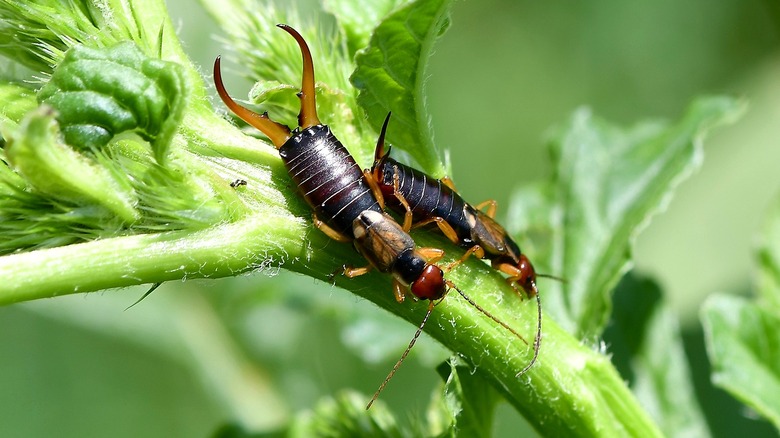
While there are benefits to having a few earwigs in your garden, as they will feed on other pest species like aphids, they can also do harm to your young plants, creating holes and other damage similar to that left by slugs. Luckily, deterring these pincher bugs doesn't mean you need to resort to using pesticides, as you likely already have something in your kitchen that can help: garlic.
You may have come across homemade remedies that suggest garlic as a pest deterrent. Essentially, the idea is that various insects will turn away from a plant that's covered in garlic smell because the odor will mask the true aroma of the plants the insects and bugs are looking to feast on.
Interestingly, a recent study published in Cell discovered that garlic actually prevented mating and egg-laying in different species of mosquitoes and flies. This is due to a chemical compound known as diallyl disulfide, which seems to affect the insects' taste organs. While this study didn't apply to earwigs, specifically, it's still worth noting the sensory effects garlic can have on certain bugs.
Use garlic spray to protect plants from earwigs
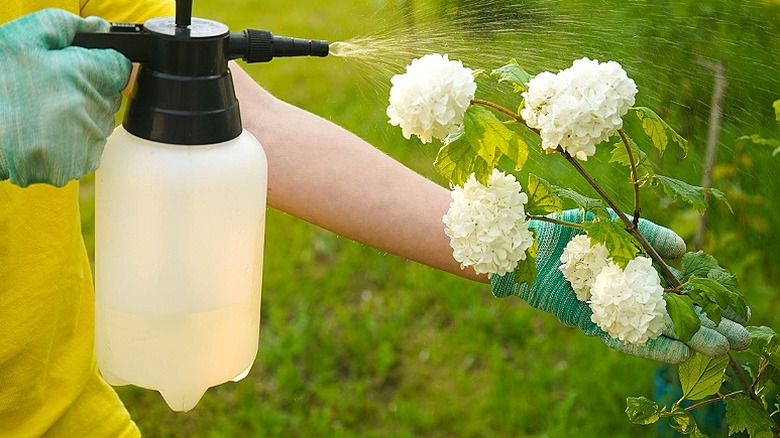
Using garlic spray as a natural deterrent is the preferable method for anyone who has ever thought twice about terminating an earwig. If the spray works for your garden, those tiny earwigs should start to slow their feeding. (Note, you can put garlic around your bird feeders, too, to deter rodents.)
To make garlic spray, there are a few ways. One approach is to crush peeled garlic (as in cooking), then soak the crushed cloves in water for a day or so. To use, separate the garlic-infused water into a spray bottle, then mist your susceptible plants.
Another way is to make a garlic oil mix, as explained by The Living Farm on YouTube. To create the mix, mince an entire garlic bulb and soak the bits in 2 teaspoons of mineral oil for at least 24 hours. Note, if you are going to spray this garlic oil on edible plants (such as strawberries, lettuce, celery, or beets, all of which earwigs are partial to), you'll want to use food-grade mineral oil, like this one from US+ on Amazon. Or, you could just use vegetable oil if you prefer.
After waiting the ~24 hours, separately add 1 teaspoon of liquid soap to 1 pint of water. Then, add the garlic oil to this. Mix these together well, strain out the garlic pulp, and then store the liquid in a clean jar. When you're ready to spray your plants, dilute the liquid first, using 1 tablespoon of the garlic oil mix for every 2 cups of water.
You can use this spray weekly; if a rain shower washes the solution away sooner, simply reapply. Also, when applying this garlic oil spray, aim for the underside of the plant leaf.