

Growing Seasons Are Getting Longer: Here's What It Means For Gardeners
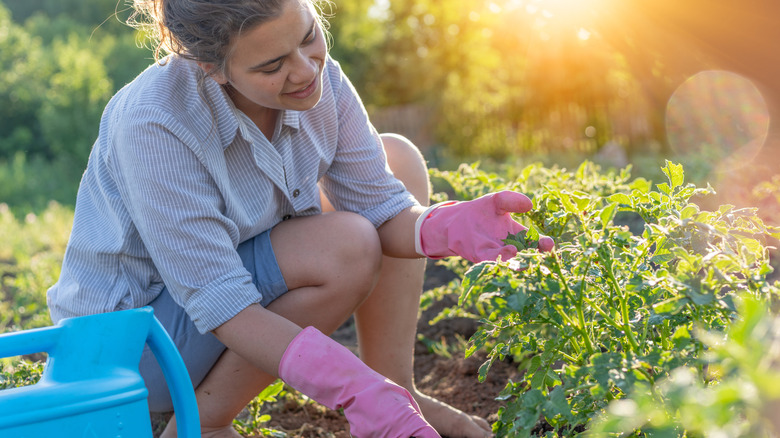
If you've been gardening for more than a handful of years, you've probably noticed a shift in the growing seasons, due to climate change. According to a map produced by The Old Farmer's Almanac, almost all U.S. states have seen an increase in the length of the growing season, with many experiencing an extension of between two and four weeks. This means that gardeners can harvest summer crops well into fall and experiment with plants they may not have tried before, but they may have to deal with an increase in pest problems.
Essentially, the growing season is the period between the last spring frost and the first fall frost. Most of the fruits and vegetables that home gardeners like to grow appreciate the warmer weather and are damaged by frost. Of course, there are exceptions, as some edibles will produce a better harvest when exposed to a little frost. But for people who experience cold winters that come with a blanket of snow on the ground, growing in the garden pretty much stops until the ground thaws again. So, for these gardeners, an extra two to four weeks to grow seasonal vegetables, fruits, and flowers can certainly be a blessing.
However, you also need to be aware that these plants could be subjected to extra heat stress, less consistent rainfall, and more pest activity, so you'll need to compensate for these. You'll actually find that one of the unexpected benefits of winter frost is that it helps to regulate pest numbers and diseases in the garden.
The benefit of a longer growing season
If you keep a diary of your gardening activities and mark the calendar for when certain tasks should be completed, you might want to make adjustments as your growing season extends. You may even notice that your region's hardiness zone changes as the USDA plant hardiness zone map is updated; the most recent change was in 2023.
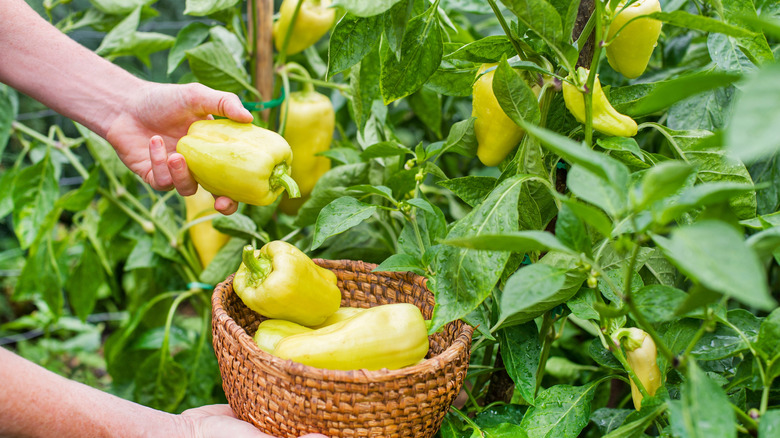
One of the greatest advantages of a longer growing season is a longer harvest of garden favorites such as tomatoes, peppers, and cucumbers. You may even find that with some species you can practice succession planting, meaning you can get in at least two crops if you start one early and then another one later in the season. This could certainly work for things like determinate tomatoes, which only produce their one main crop during the season.
The other benefit of an extended growing season is that you may well be able to grow things that you've never tried before. For northern gardeners, this could mean trying crops normally grown farther south in more temperate areas, or those that need a few extra weeks to reach maturity. And if you find that frost is predicted just before you're ready to harvest, you can extend the growing season with an easy-to-install cold frame. However, you may need to limit the growth of plants that don't like the heat and require chill time to flower.
The drawbacks of an extended growing season
While you may be delighted to learn that the growing season is getting longer where you live, there are also disadvantages that come with this. Firstly, you may well have to adjust the types of plants you grow and when you decide to plant certain crops in your garden. You'll also find that with even the slightest rise in global temperatures, some of your crops may suffer heat stress during the hottest parts of summer. You'll need to prepare for this by installing irrigation systems that keep your plants hydrated while saving water. You may also want to consider portable shade structures to help protect some of your more vulnerable species, or consider planting shade-providing companions to protect plants from the brutal heat.
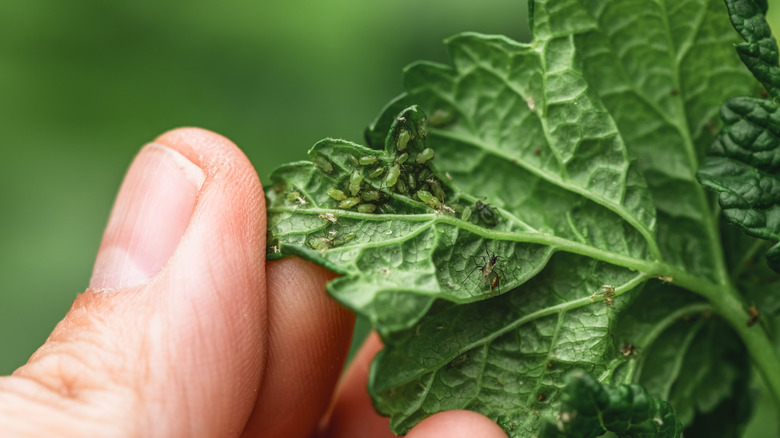
What you'll also find is that with the longer season comes increased pest activity, as many insects can reproduce more often throughout the season. This means that you're going to have to be quite vigilant in keeping these under control. One of the best things you can do to protect your plants and slow down the pest population growth in your own garden is to use crop or row covers while your plants are still young and before they start flowering. Of course, once you start to see blossoms, you'll need to remove the covers, at least during the day, so that pollinators can come in and move the pollen around while gathering nectar. You also want to inspect your plants often and remove infected foliage or use the hose to blast pests away. Avoid using chemicals wherever possible and use companion plants so that you attract beneficial insects to keep your garden in balance.