

Pesticide And Insecticide: Is There A Difference?
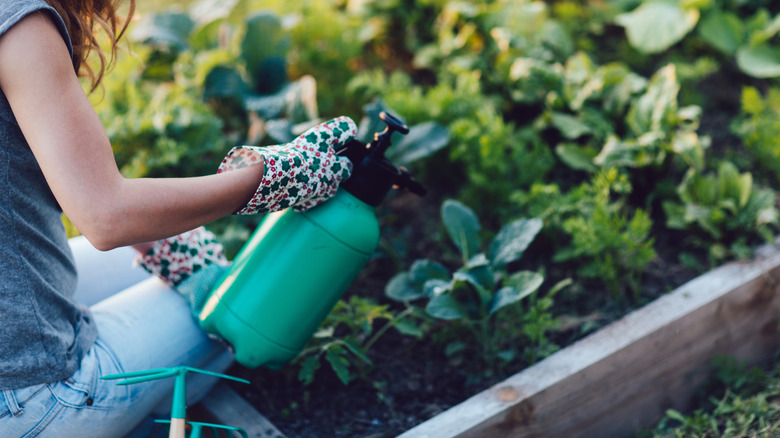
The sight of certain creepy-crawlies will send most gardeners or houseplant owners to the store for a solution. But the overwhelming amount of products on the shelves can be just as unnerving as the critters. For example, what's the difference between an insecticide and a pesticide? Do you need one or the other? Or both? What type is most effective — something that is store-bought or one made with common kitchen ingredients? Before we go down a rabbit hole of questions, let's go back to the basics. With a foundational knowledge of the options, treating your plants for pests can be quick and effective.
First off, a little Latin lesson. The suffix "-cide" comes from Latin and means "killer." The part of the word before "-cide," therefore, describes what is being killed: pesticide, insecticide, herbicide, fungicide, and so on. In our minds, pests and insects may be the same thing — both are detestable. And even in the industry, the terms pesticides and insecticides are often used interchangeably, adding to consumer confusion.
However, as you may have guessed by now, the two aren't the same. Pest can refer to any organism that is a nuisance to humans — not just insects, but also fungi, mollusks (snails and slugs), rodents, and more. So pesticides are a general category, while insecticides are chemicals used to kill insects specifically. Drilling this down even further, some insecticides broadly target a wide range of insects, while others are used only on certain species. Bottom line: An insecticide is a type of pesticide, but a pesticide is not always an insecticide, so the two terms are not synonymous.
Choosing the right pesticide or insecticide
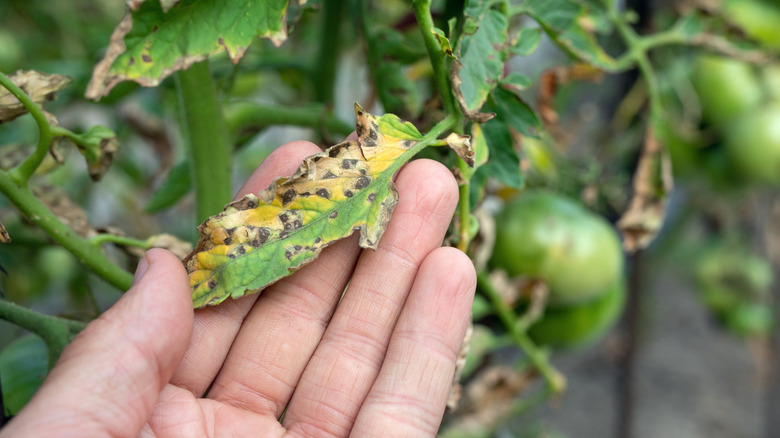
One of the most common uses of pesticides is in the garden, which tends to be a hotbed for pests that are attracted to plants and, most annoyingly, the fruits and vegetables you've been patiently waiting to enjoy. Before you reach for the chemicals, be aware that using synthetic pesticides in your garden can have some harmful impacts over time. For example, it may damage the health of your soil or harm bees. Depending on the pest, you may be able to turn to an all-natural pest control solution instead, or try a DIY option like installing barriers.
Insecticides aren't a one-size-fits-all solution, either. They all aim to kill insects or inhibit them from further damaging the plant, but this can be done in various ways. For example, many insecticides attack the insect's nervous system, but some will only kill eggs or larvae (versus adult insects). Look for the insects themselves, as well as signs of damage, like nibbled, wilted, or discolored leaves and stems, to pinpoint what type of insecticide is needed.
Always read manufacturer labels carefully to ensure that the product is being used appropriately and safely. Some chemicals, if used improperly, can actually have the reverse effect and exacerbate the problem. Make sure that the product targets the specific insect that is attacking the plant and is safe to be used on the plant being treated. If you're using systemic insecticides on indoor houseplants, use extra caution to avoid contact with pets and children.