

Not Wood Nor Concrete: The Rustic, Durable Material To Use For Your Raised Garden Beds
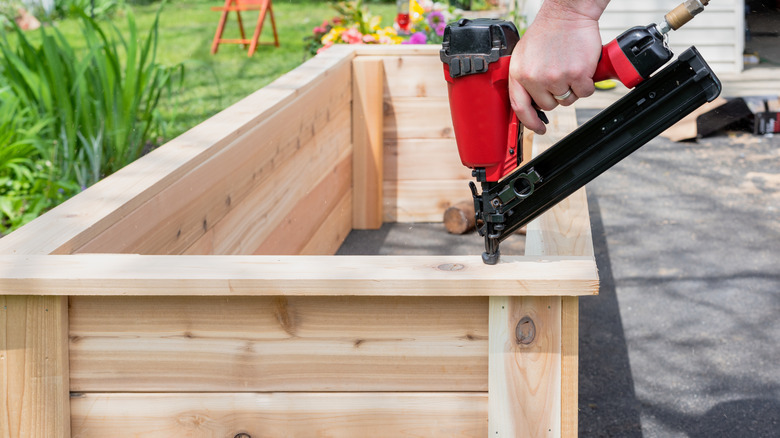
If you're planning to build raised garden beds to make it easier to tend to your plants, you might be wondering what material you should use. While concrete can be a cost-effective solution, and you can build a wooden garden bed without needing any tools, there is a more aesthetically pleasing yet durable material you could consider instead: Corten steel.
Of all the materials you can use for DIY raised garden beds, Corten steel is fast becoming a material of choice for savvy gardeners because of its rustic charm and long-lasting nature. Made from recyclable metal, this material is designed to weather beautifully and develop a rust-like patina, which protects the steel underneath from deteriorating. This means that your Corten steel raised beds can last a lifetime, unlike wood beds, which need replacing periodically. Although heavy, Corten steel garden beds are still going to be easier to move than concrete ones if you eventually need to, and they will look so much more attractive in your landscape.
More benefits of using Corten steel for your raised beds
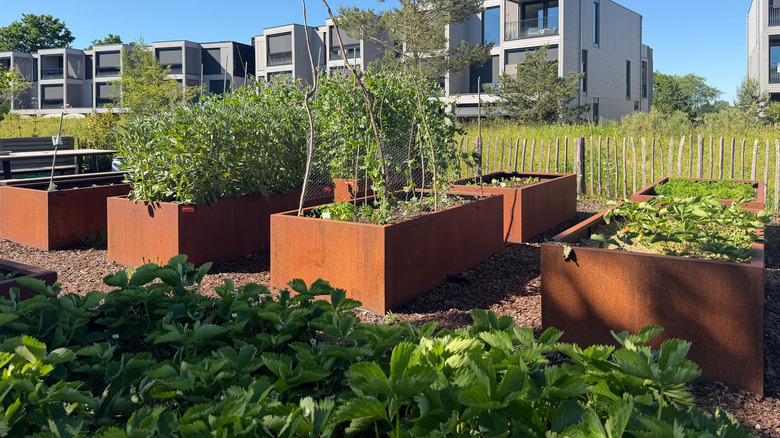
If you have limited space for your raised beds, you'll like the fact that Corten steel beds are fairly thin-walled, giving you lots of planting room. Due to the thermal properties of the material, it also heats up faster than wood or concrete. This is especially important in spring when you're eager to get planting but have to wait for the soil to warm up. The metal can also retain the warmth for longer, meaning your soil will stay more insulated at the other end of the growing season as you head into fall. It's interesting to note, though, that even in hot climates, the steel won't burn your plants when used for raised garden beds.
Corten steel garden beds are suitable for growing ornamentals such as flowers, as well as edible vegetables. There's no need to worry about the zinc used in the steel coating contaminating the soil, because zinc is a natural mineral that plants need in small doses anyway. As a bonus, you're not limited to the shape of your beds when you use this material. Aside from regular square or rectangular beds, the steel can easily be shaped into round or even half-moon structures, giving you endless design possibilities for your garden. Finally, once you have the beds in place, you'll want to find the best materials you should use to fill your raised garden beds, such as cardboard, newspaper, compost, grass clippings, straw, and topsoil.