

Can Mowing Your Lawn Kill Ticks? Here's What To Know Before Trying

People look forward to summer for a variety of reasons, including extra sunlight, warm weather, and enjoyable time spent with the family outdoors. However, pests can quickly ruin the summer vibes, especially if they carry the risk of illness and disease like mosquitoes. Another dangerous summer pest is a tick, which is an arachnid that feeds on blood and can transmit a variety of diseases to humans and pets.
Finding ways to protect your family and home from ticks is a big part of being able to enjoy your time outdoors in the summer. You may wonder whether something as simple as regularly mowing your lawn can kill these pests. Keeping grass and weedy areas on your property cut to a manageable height doesn't instantly kill ticks. However, mowing the property does disrupt the habitats in which these pests thrive, which include thick vegetation and tall plants. Ticks hide in these areas and wait for a person or animal to walk past. They then cling to the clothing, skin, or fur in search of a host.
It is possible a few ticks may die from a lack of moisture right after you mow. However, the most reliable way to be certain about killing ticks instantly is to use pesticides and chemicals (such as permethrin, which causes immediate death) in a spray, granule, or dust format.
How mowing can eliminate the habitats that ticks prefer
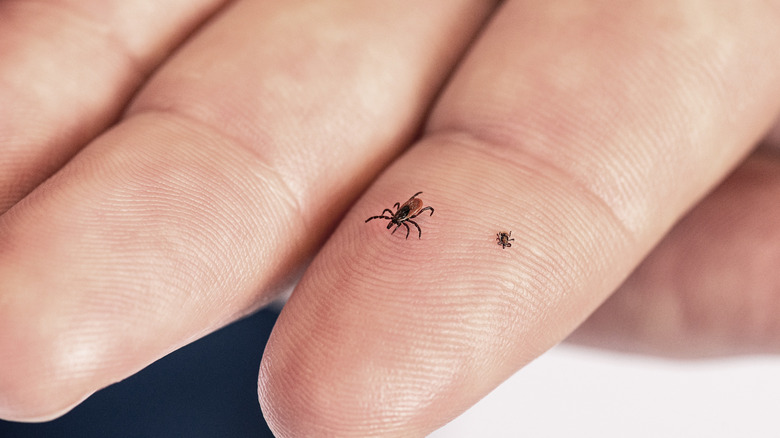
Ticks are most likely to lurk around your house in areas that have plenty of shade, tree cover, and taller plants. These pests can dry out and die through a process called desiccation when they don't have access to enough moisture. Shaded areas tend to retain moisture because of reduced sunlight, while longer grass and weeds retain moisture by keeping the nearby ground cooler. When you trim your grass and weedy areas to a height of 3 or 4 inches, it increases the amount of sunlight that reaches the ground, causing moisture evaporation.
It's possible that mowing your lawn and suddenly removing much of the available moisture could kill ticks through desiccation, as this process can occur quickly under the right conditions. If they don't die right away, they may also move to a nearby area that contains a more friendly habitat with shade and moisture, making it less likely that your family will see them.
When cutting the lawn to try to keep ticks away, don't risk cutting it too short. If it becomes too short or dries out too much, you may encourage weeds or thick ground cover plants, like clover, that may bring moisture back and give the ticks a chance to return. You might end up with a brown, weedy lawn that is no longer the envy of the neighborhood without eliminating the ticks you were battling in the first place.
Why other options to reduce or kill ticks may cause problems
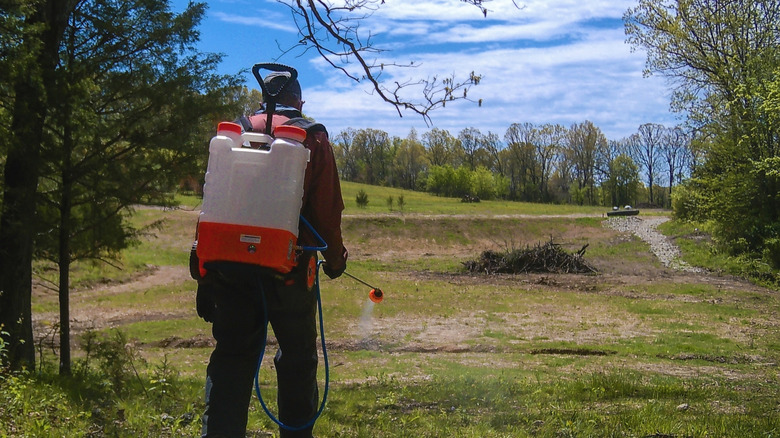
Although applying pesticides is generally a more effective way to kill ticks compared to regularly mowing your grass, you may wonder whether spraying your yard for ticks really works and is worth the chemical exposure risk. As long as you stick with products that are registered with the Environmental Protection Agency (EPA) and apply them according to the label directions, they should be effective at killing ticks. However, you need to be certain that you're using a type of pesticide that will kill the exact species of ticks you have in your area.
Using these products carries a risk. If your skin comes into contact with some of these pesticides, you may experience irritation, blistering, or swelling. They can also irritate the eyes, nose, mouth, and throat and may be dangerous if pets ingest them. If you prefer to avoid using chemicals, regularly mowing your lawn can help make your yard less inviting to ticks. Additionally, keeping wildlife that commonly carries ticks out of your yard can help. Birds, mice, rats, and deer can bring ticks into your yard, so you should avoid putting food in locations on your property that would draw these animals.
You can also make your yard less hospitable to ticks with a few landscaping changes. One of the most effective options is creating a barrier between areas of overgrowth or forests and your property. Create a 3-foot-wide strip of dry gravel or mulch between wooded or overgrown areas and your lawn. Ticks are less likely to cross these dry, sunny barriers because of their preference to cool, moist, shaded habitats.