

Hardwood Floors Can't Compete: The Recycled Material With More Historic Charm
We may receive a commission on purchases made from links.
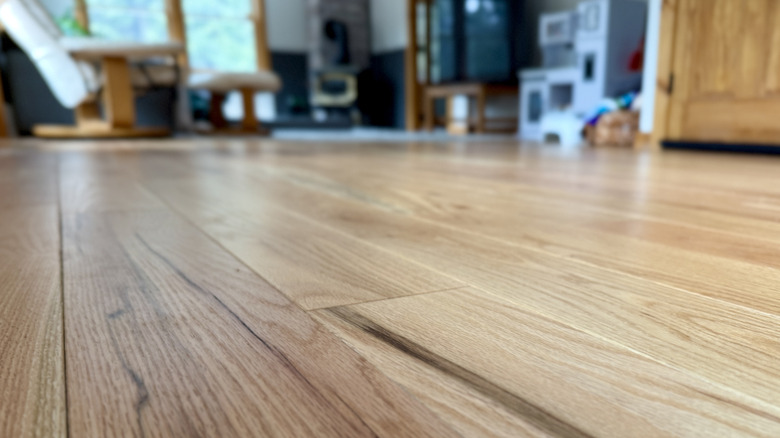
Trees provide homes for wildlife and absorb carbon dioxide. They also give us the means for beautiful hardwood floors, but wouldn't it be better for the environment to leave them growing outside? Still, hardwood floors are classic and durable, and we'll probably continue to love them for as long as we can get our hands on the material. That said, we might love saving money even more than we love hardwood, and recycled or reclaimed terracotta tile can help us do that. Terracotta tile flooring is both budget- and eco-friendly and can even have a backstory that you won't get from new materials. This type of flooring is typically salvaged from old construction and can be crushed and re-formed into new tiles.
Even eco-friendly wooden floor options like reclaimed salvage doesn't come close to the money you'll save with recycled terracotta. Recycled tile runs about half the cost of a reclaimed wood floor and up to six times less than new wood. Plus, the nearly 40 trees it can take to install a virgin wood floor would be so much more enjoyable if left standing, wouldn't they?
Granted, some foreign-sourced salvaged materials with real history can cost a pretty penny, but high-quality terracotta tiles may literally last centuries if you maintain them. Bonus: their earth tones and natural variations hide dirt and scuffs much better than other types of flooring. Whether you choose less expensive recycled tile or splurge on salvaged ones from abroad, favoring terracotta over wood is smart on so many levels.
Caring for recycled or reclaimed terracotta tile
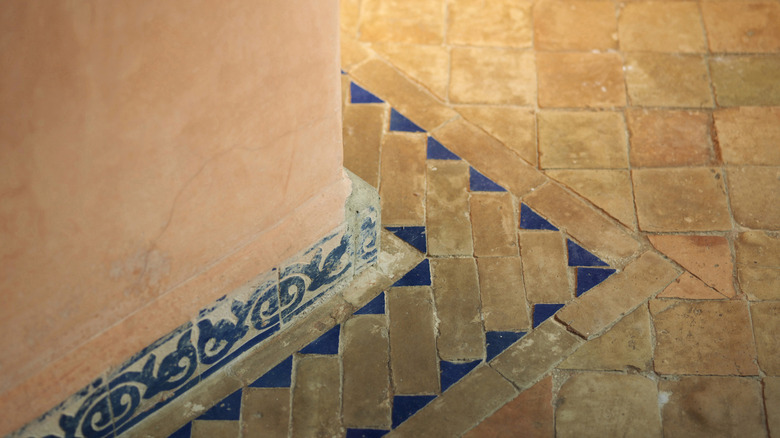
So, you've shopped around, sourced tiles, and decided on a beautiful style for terracotta in your home. If you've invested in something like "parfeuille" tiles harvested from an ancient building in Provence or medieval paving stones from a quaint village in Spain, their presence in your hands is proof enough of their durability. However, no matter the age or provenance of your tiles, proper maintenance will extend the life of your floors, save you money on future replacement, and prevent waste. Regular cleaning along with periodic deep cleaning and sealing are musts if you want to keep your terracotta floors gleaming, pristine, and prepared to last for the rest of your home's life.
The recommended cleaning methods for terracotta floors are equally easy on the earth and light on the pocketbook. Start by vacuuming away grit from the floor, then follow up with a damp — not wet — mopping using just water and either vinegar or mild detergent. Mop once more, and dry the floor with a microfiber mop head, and you're done! Occasionally your terracotta floor will probably need a deep cleaning. Start by vacuuming, then mop with a product like Nellie's Floor Care. Let the solution sit for a few minutes before lightly scrubbing the tiles. Although some products don't need to be rinsed, it's wise to wipe away the residue with a clean, damp mop head, then mop it dry. Sealing the floor every 10 years will protect it from wear, staining, and damage from water and oils. Sealants come in a spread of different finishes, so you'll want to do a bit of research to decide on the one that best fits your desired look.