

How To Dry Out Damp Bird Seed With A Simple But Overlooked Solution
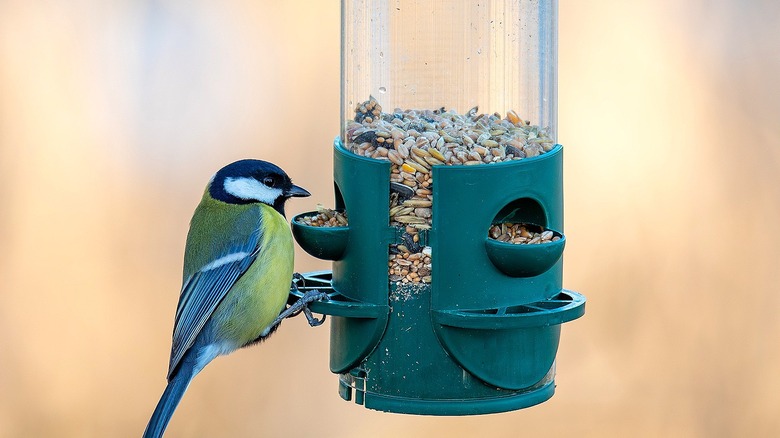
Damp bird seed is an annoying, wasteful headache — and worse, it can quickly turn into a breeding ground for harmful mold. Before you toss that costly bag into the trash, though, or resort to messy paper towels that tear at the first sign of moisture, there's a surprisingly simple, overlooked solution sitting right in your recycling bin: newspaper or brown paper bags.
A simple but overlooked solution for drying out damp bird seed is to spread it in a thin layer over plain newspaper or brown paper bags. While most people try using paper towels (which tear easily when wet) or sunny spots outside (which just attract birds, squirrels, and humidity), paper grocery bags and standard black-and-white newsprint act as natural wicks, pulling moisture out from the bottom while air circulates over the top.
To effectively dry your bird seed with newspaper or a brown paper bag, first spread the base. Lay down two to three layers of black-and-white newspaper (avoiding glossy, full-color store inserts) or split-open brown paper bags on a flat surface indoors — think table, floor, or a rimmed baking sheet. Next, spread the damp seed out in a single, shallow layer to prevent moisture from getting trapped underneath and to accelerate the drying process.
You'll need to rake your fingers through the seed every few hours to flip it and ensure even air exposure to prevent clumping and keep mold from forming. In a well-ventilated room or near a floor fan, the paper will draw out the moisture within 12 to 24 hours. If your feeders are completely empty while you wait for the batch to dry, you can whip up DIY bird seed to keep your backyard visitors fed in a pinch.
When to discard your bird seed
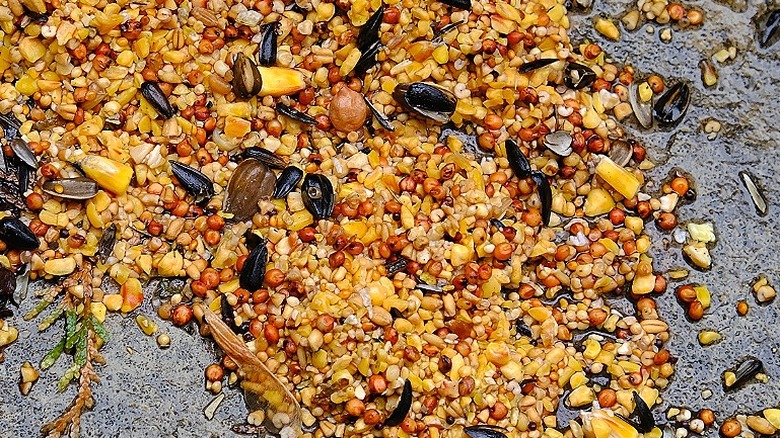
Even though drying your bird seed on newspaper is a quick and budget-friendly fix, there are times when the seed is just too far gone to be saved. In these cases, drying out the seed and feeding it to birds and other animals can pose serious health risks to local wildlife. If you find seed soaking wet inside a feeder or a bag, discard it even if you don't see visible mold yet. Microscopic mold growth can release harmful toxins (like aflatoxins) long before obvious surface fuzz appears.
Any time you see patches of fuzzy growth, the seed is contaminated with dangerous mold and it should be thrown out immediately. Likewise, discoloration of the seed coats could signal that the natural oils inside have decomposed, making the batch unsafe. But even if none of these visual red flags are present, if you grab a handful and it stays cemented together, moisture has penetrated deep into the seed coat, meaning it will likely spoil before it ever has a chance to fully dry.
Finally, any clumping accompanied by tiny silky webbing or crawling bugs means pantry moths or grain weevils have moved in, and the entire bag should be sealed tightly and tossed straight into the trash to prevent an infestation.
Properly storing bird seed
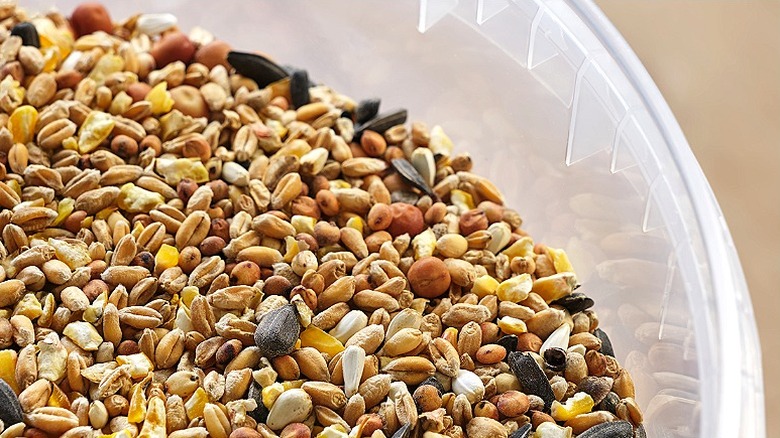
Generally speaking, it's best to use the newspaper-drying technique as soon as you notice surface dampness, catching the moisture early before bacteria, mold, or pests have a chance to take hold. If there's any question about whether the seed has already spoiled, remember that replacing a bag is far better than risking the health of your local birds — though, asking yourself if expensive bird seed is worth buying can help you decide how much to invest in your next batch.
As for storing bird seed, following smart bird seed storage tips that help it last all season long will prevent dampness from ruining your seed in the first place. Bird seed should always be stored in a cool, dry place.
Keep bird seed in airtight containers, preferably metal, to prevent any ambient humidity and condensation from creeping into bulk bags (note that exposure to heat and/or moisture accelerate rancidity). If storing seed in a garage or basement, because the floors undergo temperature swings, avoid placing containers directly on the ground. Place them on a wooden pallet or shelf instead to allow proper airflow underneath.
How to avoid wet bird seed
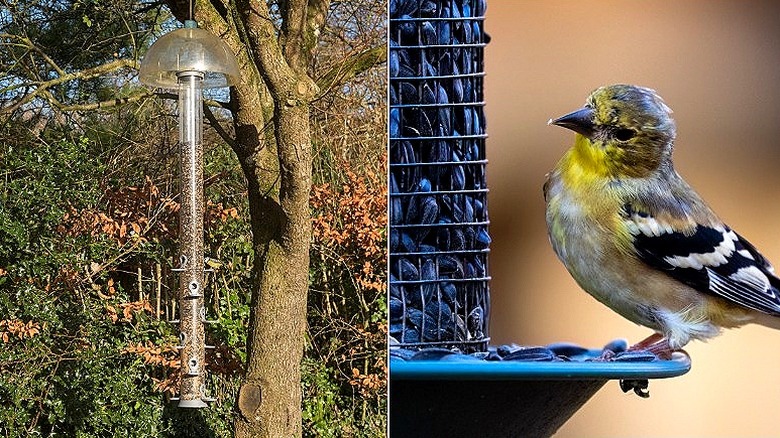
Not only is proper bulk storage important, but keeping seed dry in the feeder is vital to protecting your local bird population as well. Typically, moisture enters bird feeders through two main routes: overhead or from poor drainage. To help, you could add a clear dome or a wide baffle to tube or hopper feeders. These additions act as an umbrella, deflecting rain and snow away from feeding ports.
Make sure the dome extends at least 2 inches past the feeder's outer perches in order to better block wind-blown rain from soaking the seeds. If you use an open platform or a tray feeder, choose models with built-in roofs and metal mesh bottoms so that water can drain instantly rather than pooling.
You can also optimize the location and feeder mechanics to minimize moisture exposure year-round. Moisture will inevitably find a way into your feeder. To prevent stagnant water from ruining your feed, ensure tube base trays and hopper floors have clear drainage holes. You can also hang your feeder under natural protection, such as beneath dense evergreen branches, large porch overhangs, or leafy tree canopies that can block wind-driven rain.