

5 Things To Stop Doing At Home When There's Wildfire Smoke
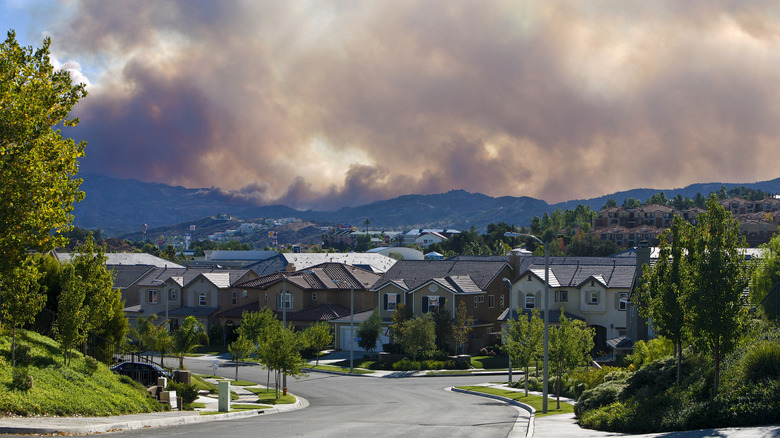
Excessive smoke from wildfires can potentially affect air quality across the United States at any time of the year. This smoke can increase health risks for some people because of reduced air quality and increased pollutants and irritants. If you or a family member have health conditions like asthma, heart disease, diabetes, and other ailments, you should limit your exposure.
When smoke levels are expected to increase in the upcoming days in your area, you might take proactive steps to protect yourself, such as installing one of the best air purifiers to combat wildfire smoke at home. You might even download an app that helps you track the intensity of the air pollutants in your region.
On the flip side, there are certain things you should avoid doing at home when wildfire smoke is expected to cause problems or is already affecting your area. Avoid opening windows or using the fresh air vents on your HVAC system. Stay away from cooking foods that could increase indoor air pollution, further reducing your home's air quality. When wildfire smoke is adding pollutants to the air, you should probably resist the urge to clean your home. Avoid fertilizing or pruning your trees during times when smoke particles are present. You also should try to avoid doing strenuous outdoor work, such as mowing the lawn, when the haze from wildfire smoke is heavy.
Avoid pulling in outdoor air when running your HVAC system
Most people naturally avoid opening windows during periods of heavy wildfire smoke, limiting the number of smoke particles that find their way into your home. However, there are a few other ways outdoor air could enter your home when wildfire smoke is in the area, including through your HVAC system.
While most central air conditioning systems simply recirculate the air inside your home rather than pulling in outdoor air, a few exceptions exist. Some HVAC systems are designed to draw fresh outdoor air into the system, a feature that's more common in newer, tightly sealed homes. It's intended to improve indoor air quality and ventilation under normal conditions. However, during periods of noticeable wildfire smoke, the fresh air intake becomes a disadvantage. If your system has one, close the intake damper temporarily during this time.
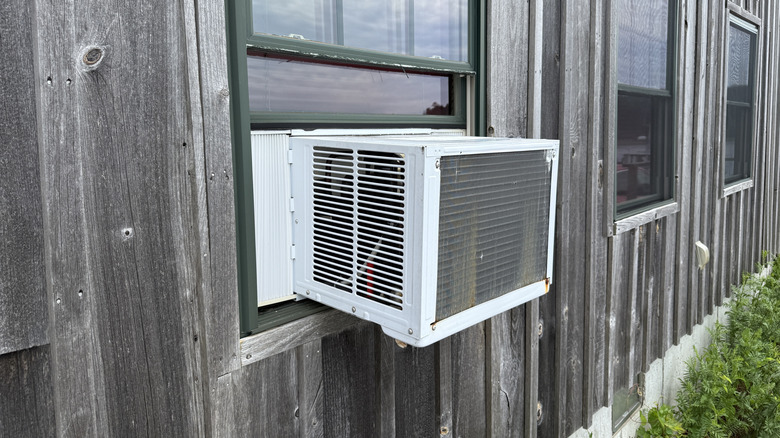
If you use a window AC unit, it may have a vent or fresh-air setting that pulls outdoor air into your home. During times of heavy wildfire smoke outdoors, this feature is one of the downsides of window air conditioners. If you can, close the outdoor intake vent.
Don't cook food that could increase indoor air pollution
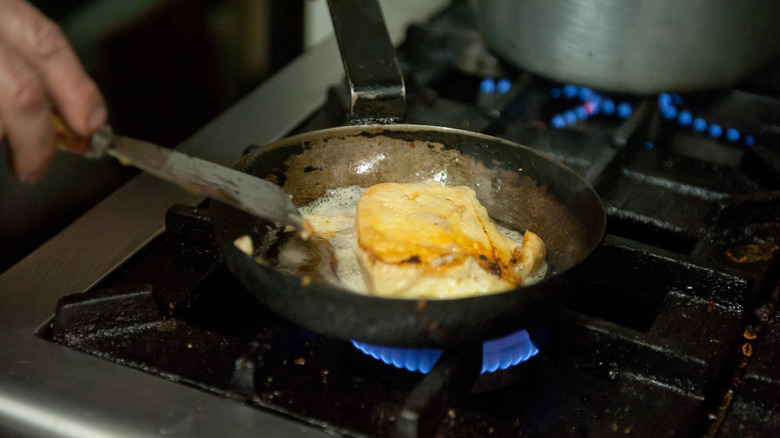
During periods of heavy wildfire smoke, you'll want to keep your indoor air quality as high as possible. One common activity people do at home that could harm indoor air quality is cooking. When preparing food, avoid frying it on the stove. Raising the temperature of cooking oil to fry food releases polycyclic aromatic hydrocarbons (PAHs). Increased levels of PAHs can cause problems with breathing and eye irritation, which could become even worse during times of heavy wildfire smoke.
If you're cooking with a natural gas stove, you could also increase pollution levels inside your home because of the combustion process that occurs. Burners on a natural gas stove will release nitrogen dioxide into the air as they operate. Breathing air that contains nitrogen dioxide can make asthma worse or can irritate breathing passages, especially for seniors and young children. If the presence of wildfire smoke is already affecting people with asthma, seniors, or kids, you should avoid adding to the level of pollutants in the air by cooking on a natural gas stove.
Resist the urge to clean the house while you're stuck inside
If you decide to spend more time indoors during periods of wildfire smoke, you might think it's a good time to take advantage of being stuck inside by cleaning the house. Cleaning might even improve your mental outlook if the excessive smoke has you feeling down.
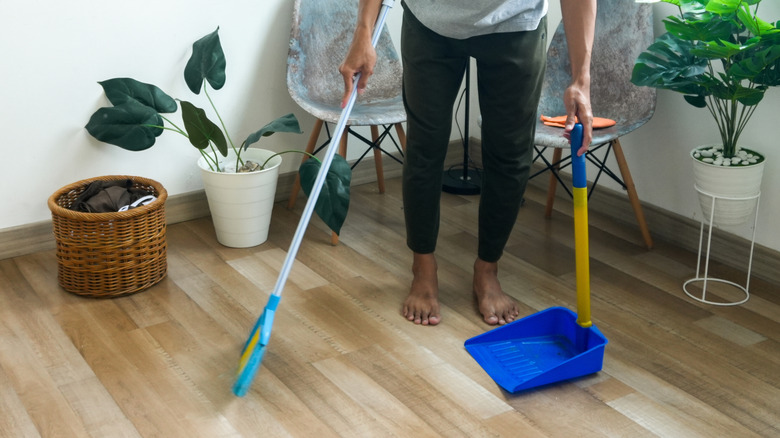
However, you should avoid certain cleaning techniques, especially vacuuming or sweeping with a broom. Such actions can cause dust and other particles to float in the air, adding to the effects of the wildfire smoke and resulting in lower air quality in the house.
If you simply must do some cleaning, try using a damp cloth or mop, so you don't disturb the dust and cause it to go back into the air. You could also use a vacuum that has a HEPA filter that's designed to keep allergens and other particulates out of the air. If you have to vacuum, move the machine slower, which should allow it to capture more particles and cause fewer of them to float in the air.
Avoid pruning or fertilizing trees during smoky days
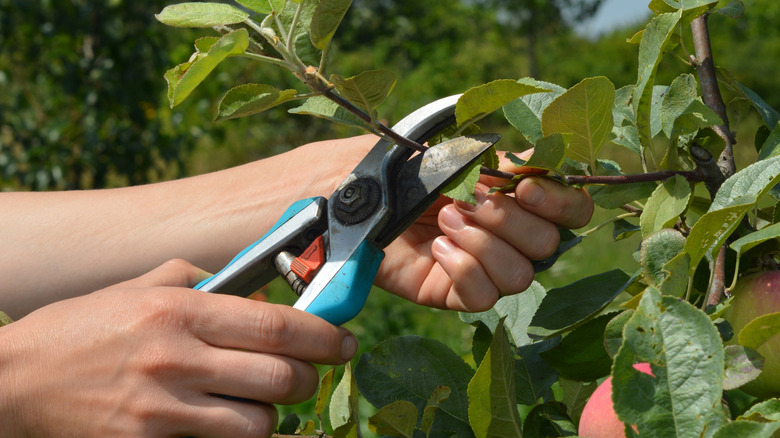
It's always important to prune trees the right way to protect their health. Using proper pruning techniques reduces the risk of disease and structural problems. Although pruning generally improves the tree's health, it can also create stress for the plant.
Because exposure to wildfire smoke can also place a tree under stress, especially if the pollutants linger, you'll want to avoid pruning branches during this time. Smoke may block sunlight, reducing the tree's ability to perform photosynthesis and produce the energy it needs during times of stress. Trees may even close the stomata, or microscopic pores on the leaves, when wildfire smoke is present, interrupting their natural processes. The leaves release water vapor and take in carbon dioxide through the stomata.
You should also avoid fertilizing your trees during periods of heavy smoke. When the plant is already under stress from wildfire smoke exposure, it may use up too much energy absorbing the fertilizer, enhancing its stress level. Wait until the smoke lessens or clears before attempting to apply fertilizer.
Don't do chores that increase your health risks
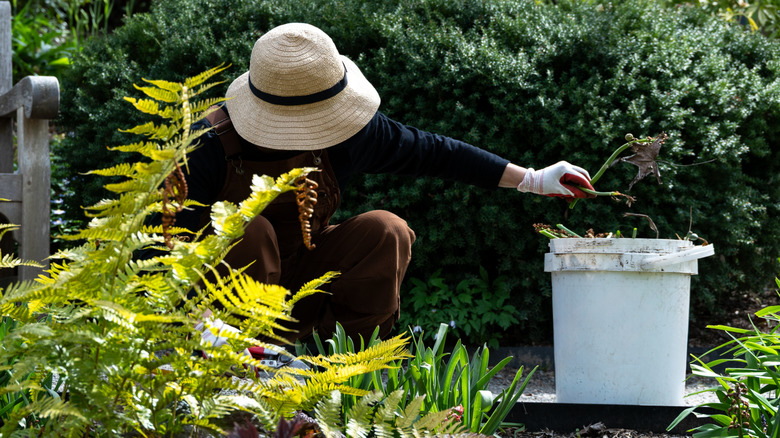
When wildfire smoke is present and reduces air quality outdoors, both you and your plants can struggle. To reduce your risk of health issues, avoid mowing the lawn or doing other stressful physical lawn care activities outdoors during periods when smoke from wildfires is present. You'll breathe up to four times faster when doing physical activity than when at rest, increasing the amount of smoke you're inhaling. Even if your tasks aren't strenuous, avoid doing garden or landscaping work that requires a long time, which would increase your smoke exposure time.
If you must work outdoors, try to avoid using a leaf blower. If you have sensitivity to dust and pollen, you should avoid using a string trimmer, too. Both tools will stir up airborne particles that further reduce the quality of the air you're breathing.
On the positive side, wildfire smoke alone shouldn't harm your garden and landscaping plants as long as it doesn't linger for an extended period. Your plants only need minimal extra care, such as additional watering, during periods of wildfire smoke, limiting the amount of time you need to spend outdoors caring for them.