

How Much On Average It'll Cost To Get Your Yard Sprayed For Ticks
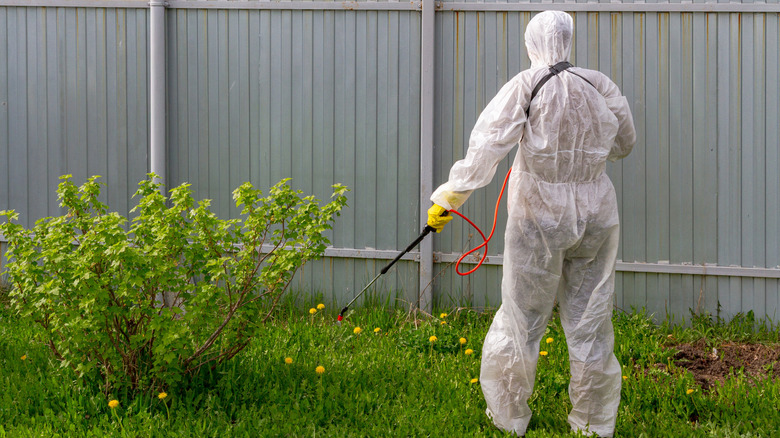
Nothing ruins a crisp afternoon in the backyard faster than finding a tick hitching a ride on your dog or ankle. While it helps to keep your grass manicured and leaf litter cleared, persistent tick activity often calls for targeted professional treatment. Taking proactive ways to protect yourself and your home from ticks this year using preventative landscaping is a great first step, but hiring a pest control service to spray your perimeter is one of the most effective ways to reclaim your outdoor space. However, total pricing depends heavily on your property's layout, acreage, and the type of treatment you choose. Before you book an exterminator, understanding how pest control companies calculate their treatment packages can help you protect your family without paying for unnecessary add-ons.
So, what does tick control actually do to your home maintenance budget? For a one-time visit, most homeowners spend between $150 and $300. Since a single application is a quick hit, it's ideal if you're just dealing with a light pest issue or trying to clear out the yard before hosting a big summer cookout. Oftentimes, a single application isn't enough to break the pest's breeding cycle, and a seasonal package is needed — especially in areas with heavy woods or high tick pressure. Here, you can expect to pay $350 to $900 total per season. Because this type of package bundles three to six applications (roughly every four to six weeks throughout peak spring-to-fall months), it lowers your cost per visit compared to booking single treatments. If you have a larger lot or prefer ongoing protection, signing a monthly contract averages about $88 to $150 per month — a worthwhile investment if you want to keep ticks out of your house and off your property altogether.
How different factors influence the cost for tick spraying
How often you have your lawn sprayed is really only part of the pricing equation. When you start budgeting for a professional treatment, the true driver behind your total bill is the size and layout of your lot. Exterminators calculate their time, labor, and product needs based on square footage. If you have a small suburban or urban yard under a quarter-acre, the job requires very little chemical and takes just a few minutes, keeping your bill on the lower end. However, if you are tackling a sprawling lot or multi-acre property, technicians will need heavy-duty backpack sprayers or truck-mounted rigs and significantly more formula, which naturally pushes your estimate up.
What actually goes into that spray bottle plays a major role in your final price tag, too. Standard synthetic sprays, like bifenthrin or cyfluthrin, are usually your most affordable option. They pack a heavy-duty punch and stick around for weeks, so you get plenty of bang for your buck. If you prefer a green approach, organic or eco-friendly treatments made with essential oils — like cedarwood, peppermint, or garlic — are fantastic for keeping pets, kids, and pollinators safe. Just keep in mind that these natural formulas often carry a higher upfront cost and break down much faster, meaning you'll need more frequent touch-ups throughout the season.
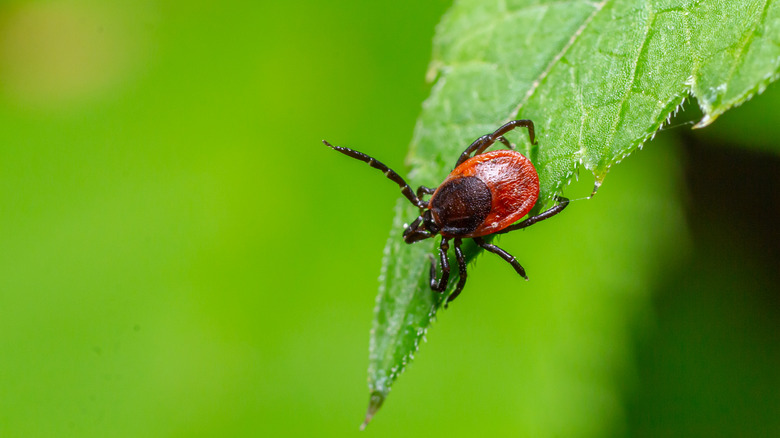
Your yard's overall landscape and where you live will also swing your final quote. Ticks love dark, damp micro-climates, so pinpointing the main areas where ticks are most likely to lurk around your house — like overgrown brush, leaf piles, woodlines, or thick ground cover like English ivy — explains why those spots require extra care and manual spraying. Finally, geographic location matters. If you live in high-risk tick regions like the Northeast, Mid-Atlantic, or Upper Midwest, expect to pay a bit more simply due to higher local demand during peak spring and summer months.