

The Common Mistake To Avoid When Prepping To Build A Shed
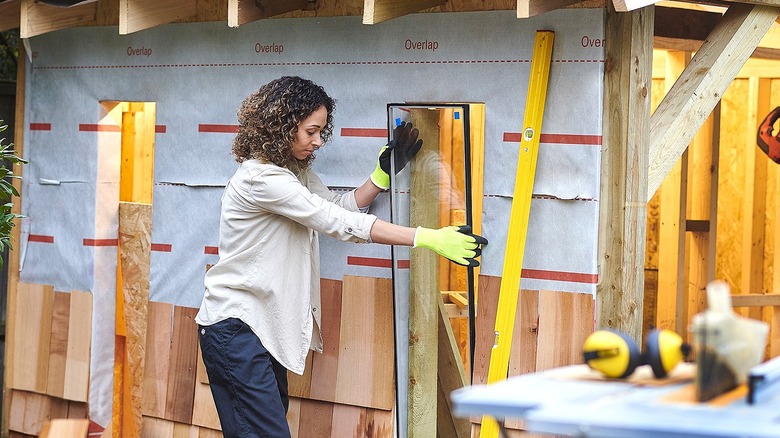
Finally, all the stars have aligned and you've managed to construct a beautiful storage shed. As you suspected, it looks spectacular next to the rose garden and recently painted park bench. But then an unexpected rainstorm hits, drenching your entire property, and you notice the shed isn't sitting quite right. The ground beneath has shifted, and with it, your gorgeous, new (*ahem* expensive) shed. Unfortunately, like many other people, in your haste to build your dream shed you neglected to pay much attention to the foundation on which it was set.
While there are endless possibilities for adding a shed to your backyard, there are also many options for what foundation will best suit the shed you choose. And selecting the wrong foundation for your shed can be disastrous.
The longevity, safety, and resilience of your shed is literally built on the type of foundation you choose. Whether it's concrete, gravel, or something else, knowing your shed foundation options and which one is right for your yard is a key step that you don't want to skip when prepping to build your new structure.
If you do, worst-case scenario, it'll undo all the work you did and you might have to rebuild the entire thing. Barring that nightmare, it can still lead to several major problems, costing you time and money to fix.
How the wrong shed foundation can cost you
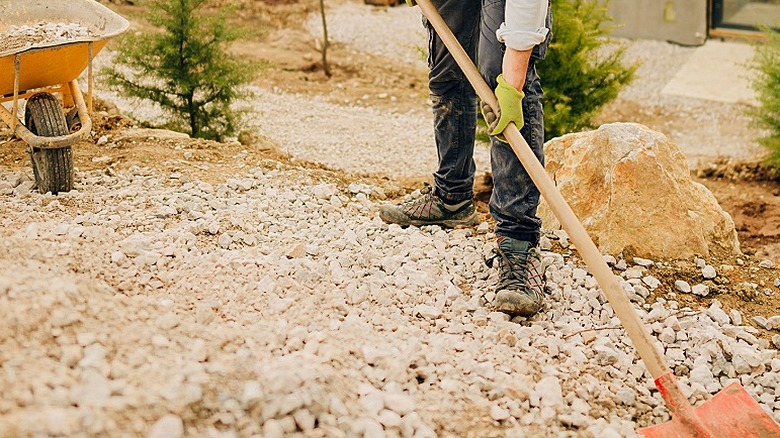
One of the first tips to build your own DIY shed, or even to just place a fully constructed one in your yard, is choosing the right foundation. Getting it wrong can lead to several major issues. Have you ever noticed how your yard can become uneven or soft to walk on after a long rainstorm? Imagine setting a 1,500 pound shed directly on that ground. There's a very real possibility that it could sink into the moist earth below.
Even though that same space might have seemed level and plush on a sunny day, it still needs a foundation that can withstand the ever changing conditions and offer a level of stability for the shed. And that foundation needs to be appropriate for the size and weight of your shed.
A poorly selected foundation can lead to structural problems for the shed itself, too. Specifically, whether from sinking or simply shifting with uneven ground, doors can have trouble closing because they won't be aligned perfectly with the door frame. When they do close, they can get jammed and become difficult to open.
Drainage is another important factor to consider as a part of the foundation. Poor drainage can lead to water pooling under the shed, which can cause more than just the stench of mold. Standing water can damage the floors of the shed, potentially making them deteriorate and become unsafe. Any of these problems can compromise the structural integrity of the shed and should be addressed quickly for your safety.