

Harder To Repel: How The U.S. Accidentally Developed More Resistant Mosquitoes
We may receive a commission on purchases made from links.
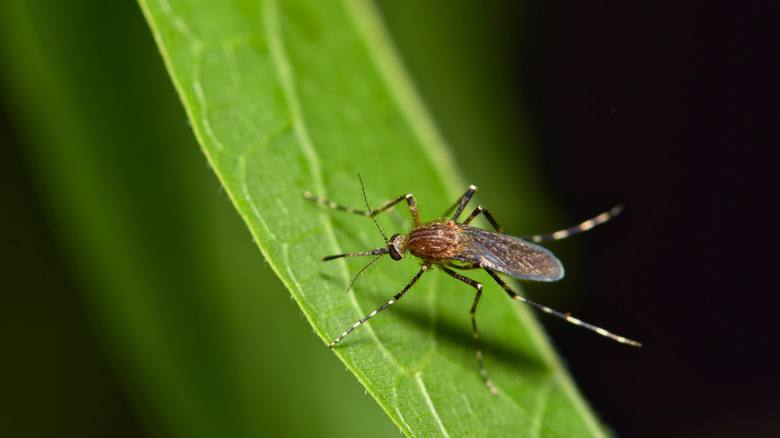
If you're someone who is frequently the target of mosquito bites, you've likely started to associate the sound of roving pesticide trucks with a feeling of relief. Once these sprayers come by, you'll finally be able to enjoy your dreamy outdoor oasis without suffering through itchy welts that can last for up to a week... right? As it turns out, this peace might be short-lived. Some mosquito populations are developing resistance to pyrethroid-based insecticides, and data show that the problem is spreading.
According to the U.S. Department of Agriculture, researchers from USDA-ARS, the Navy Entomology Center of Excellence, the Florida Department of Agriculture, and Florida-based mosquito control districts documented this resistance in mosquitoes in a 2019 collaborative study spurred by an outbreak of the Zika virus. In a 2026 study published in Parasites and Vectors, researchers found that this resistance was spreading throughout a suburban sampling region in Wake County, North Carolina, suggesting that the issue was no longer isolated to the neighborhood where it was first detected. With mosquito season starting earlier and earlier, this trend should matter to homeowners, both for their comfort and health. Mosquitoes are annoying regardless, but they're also capable of spreading diseases like West Nile virus and dengue in the United States.
Why are mosquitoes becoming more resistant?

Mosquitoes didn't suddenly decide that they'd like to be immune to pyrethroid-based insecticides. It was a slow process, and unfortunately, we helped them along. Think of it like antibiotic resistance. When a treatment kills susceptible bacteria, those with genetic traits that help them survive are more likely to reproduce. Those resistance traits can then be passed down, and over time, first-line treatments may become less effective.
The same process is happening with mosquitoes. The U.S. has relied heavily on pyrethroid-based insecticides for decades, and repeated exposure has allowed resistant mosquitoes to survive and breed. These broad-spectrum products can also harm helpful insects and aquatic organisms. Data from the 2019 collaborative study found that some resistant Aedes aegypti populations required permethrin doses up to 60 times higher than susceptible populations to achieve control. Upon further investigation, researchers found that the mosquitoes possessed distinct genetic markers associated with their resistance.
The separate 2026 study examined Aedes albopictus mosquitoes in Wake County, North Carolina. One resistance-related allele reached a frequency of 0.36 in 2023 and had spread throughout the sampling region, which doesn't bode well for the future effectiveness of these insecticides.
How to nix the problem in your own space

While the large-scale use of pyrethroid-based insecticides has contributed to resistance, it doesn't mean that you're out of options. There are plenty of pest control tips to kick mosquitoes out of your space, and many involve making the environment one that they're less inclined to visit. Get rid of sources of standing water, trim down dense grasses, and flick on a fan as your first lines of defense, no pesticides necessary. This won't eliminate mosquitoes, but it can certainly encourage them to move along to greener (and wetter) pastures.
If they're still flitting around, consider making a trap in the form of a "bucket of doom." This ominous-sounding pest control solution involves dropping a bacterial larvicide tablet like the Summit Mosquito Dunks into a bucket full of water. After adding in some straw, leaves, or hay to really make things murky, mosquitoes may stop by this appealing mini habitat to lay their eggs. The mosquito dunk kills the larvae while posing minimal risk to fish and most other wildlife when used as directed. It's technically still a pesticide, but its targeted approach makes it a more responsible option than broad-spectrum pyrethroids for treating mosquito larvae in standing water.