

If You Like Butterflies, Think Twice About Removing This Nasty Weed From Your Yard
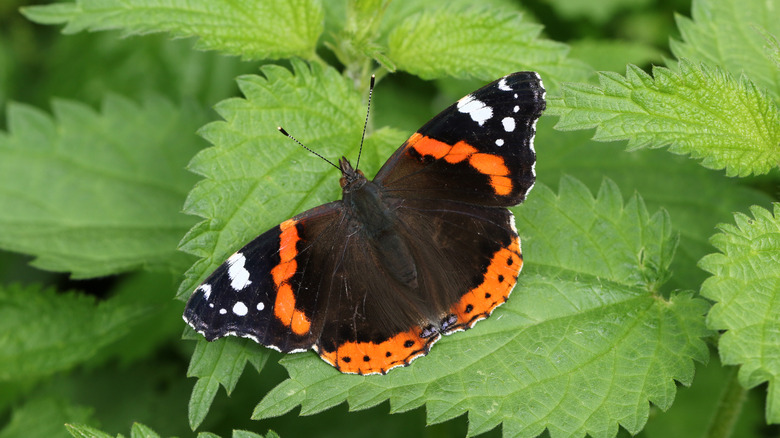
Lots of people unthinkingly rip out stinging nettles (Urtica dioica) whenever they find them, which is understandable as they spread rapidly and cause painful stings to the unwary hand or leg. I'm a master gardener and permaculture specialist with over 20 years of experience, and I prefer to leave nettles when I can. I also make DIY fertilizer tea from them when I do have to pull them up.
I know to most people nettles look like nothing but trouble, but they are actually pretty useful plants, especially as they are such an important host for a number of butterfly species. When trying to encourage this winged insect, most people think about plants with nectar-filled flowers or buddleias, but you don't get adult butterflies without caterpillars — and caterpillars need something to eat. They're also frequently built to only eat one plant family, and in many cases that is the stinging nettle. It grows wild across much of the U.S., and even though it's an aggressive spreader, it's native and not an invasive plant, much like dandelions and wild violets. Pulling up stinging nettles is one of the easiest mistakes to avoid if you want to bring more butterflies to your yard. Stinging nettles have a multitude of uses in the garden and I'd always recommend keeping a clump or two in an out-of-the-way spot. But, because it is such an aggressive spreader, you do need to keep it in check.
Why stinging nettles are so important for butterflies
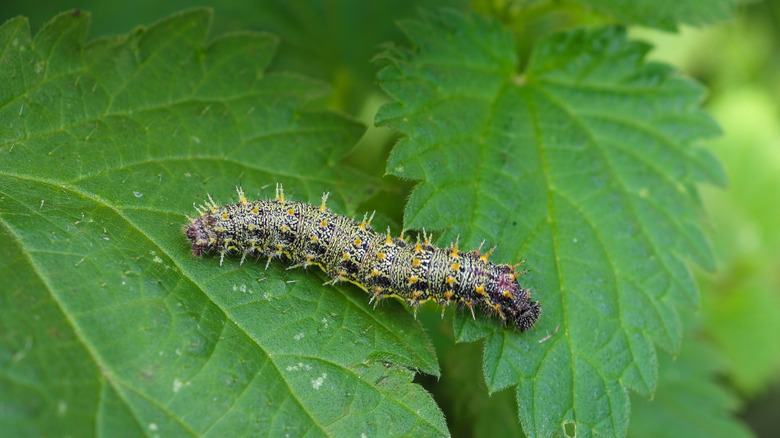
The humble stinging nettle is a surprisingly important ally for anyone who likes to support butterfly populations. Species like painted lady, the eastern comma, morning cloak, and question mark caterpillars all prefer stinging nettle as their host plant. Females look for nettles to lay their eggs on, and the leaves of the nettle are also what the caterpillars eat once they hatch. Red admiral and Milbert's tortoiseshell caterpillars also rely heavily on nettles as they consume large amounts of the leaves before they find a safe spot to pupate. You can see red admiral caterpillars using their silk to stitch a nettle leaf into a hideout where they will feed on the nettle, safe in their little protective house, which also provides protection from hungry birds.
If your yard has no nettles and is otherwise fairly sterile, many species will pass over your yard entirely when they're looking for somewhere to lay their eggs. Because I specialize in permaculture, I always want to see a busy, active, biodiverse yard, and that includes keeping some so-called weeds around, as they support a huge range of local wildlife and overall can help make your garden healthier. Plus, I love to see a garden buzzing with life, whether that's from bees and hoverflies or butterflies and hummingbirds.
How to manage stinging nettles for butterflies without them taking over your yard
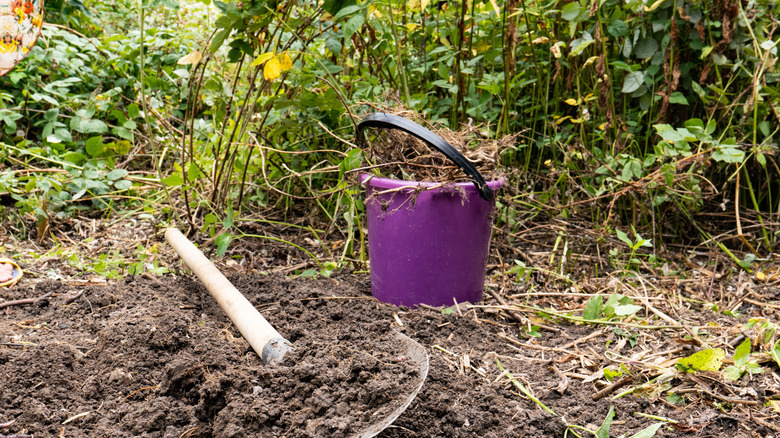
I let stinging nettles grow under my apple trees, where very little else will grow, and pets and children don't need to be visiting on a regular basis. I've also got a couple of patches in a less frequently used part of my garden, where it doesn't matter if things get a little wild and rampant. Having said that, stinging nettles spread through underground rhizomes at an alarmingly fast rate and can also spread via seed. You do need to keep on top of the plants and ruthlessly pull up any that escape the zone you have set aside for the weed. Don't till the area though, as each little piece of rhizome that you break up with your tiller will create a whole new plant.
Stinging nettles are easy to pull by hand, so I just get out there with my gloves while I'm doing other things in the garden and pull up any escapees. I find you can also run a strimmer or your mower around the edge of the designated patch every couple of weeks through the growing season, treating nettles just like any other spreading perennial. And don't forget you can turn the weed into nettle water and use that to water your garden as a natural nitrogen feed. You may also want to remove the seed heads when the plants finish flowering and before the seeds dry out and spread. Do make sure, however, that you set it back from the edges of pathways where bare legs are likely to inadvertently brush against it and get stung.