

Grow A Versatile Vegetable Garden With A Useful Find From Amazon
We may receive a commission on purchases made from links.
Whether you're just starting on your journey of growing a vegetable garden or you've already tried a few varieties and want to expand your selection, you're probably looking for the best and most economical way to do this. You'll find that using seeds to start your veggie crops is going to save you a fair bit of money and can be quite rewarding. To that end, there's a very useful find from Amazon that you might want to consider. It's a collection of seeds for 43 different herbs and vegetables from Black Duck Brand for only $9.99.
This is exceptional value as the seeds are all packaged by Freedom Farms, a U.S. seed supplier that is based in Delaware. The collection includes a wide range of heirloom seeds that are not genetically modified. There's enough variety to grow all your summer crops, such as tasty veggies you should plant in July before it's too late, like beans, corn, cucumbers, peppers, and pumpkins, as well as some crops that prefer cooler weather, like Brussels sprouts, cauliflower, cabbage, and broccoli. On top of that, you can add some fast-growing herbs that will turn your garden into a butterfly paradise, such as parsley, dill, and cilantro. Each seed packet should have enough seeds to grow that particular variety for at least a couple of seasons, depending on how many plants you want to end up with.
Tips on growing a garden with heirloom seeds
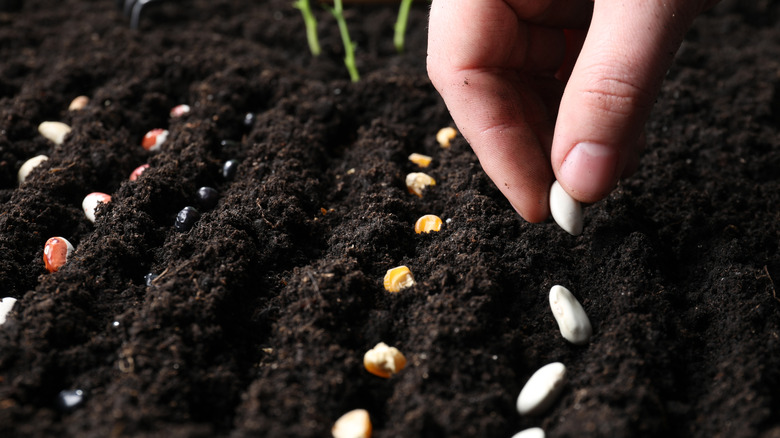
If you're not yet familiar with heirloom vegetables and why you should want to grow them, heirloom seeds come from plant varieties that have been around for many years and passed down through the generations. Essentially, they're older varieties that have not been modified or hybridized and often exhibit superior taste and performance. The other benefit of growing heirloom varieties is that you can allow a few crops to go to seed at the end of the season and collect those seeds to grow the following year. As long as the flowers of these plants have been pollinated with the same species, the resultant seeds will produce plants identical to the parent.
What you do need to be aware of when working with these seeds is that not all of them are going to germinate. For that reason, you always want to sow more seeds to ensure that you get the number of plants you need. For example, if you're sowing bean seeds, you'll want to place at least two or three in every hole. Overall, you should expect around a 65% to 80% germination rate from these seeds. It's also common to find that different varieties of seeds will have differing shelf lives. While some seeds may remain viable for a number of years, others may only be good for a year or two. Seeds with a shorter shelf life include leeks, chives, scallions, shallots, parsnips, and lots of different herbs. Of course, in order for your seeds to remain viable, they need to be stored correctly in a dry, cool spot that's dark and low in humidity. That's why the mylar bag included with this Amazon find is a welcome addition.