

Forget About Coffee Grounds: Use This Tomato Fertilizer For A Bigger, Juicier Harvest
We may receive a commission on purchases made from links.
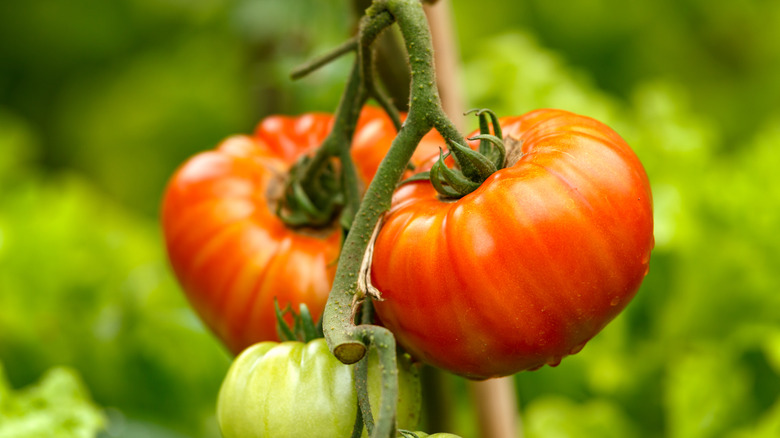
There are all sorts of gardening myths online, and if you're not careful, you can get caught up in trying out hacks that don't actually work. We've all heard about the different types of kitchen scraps you can throw at your tomato plants, but whether it's coffee grounds, banana peels, or Epsom salt, sometimes the truth is as hard to find as the fruit on your overgrown patch of vines. The only way to avoid conflicting advice when it comes to fertilizing tomatoes for bigger fruits and a juicier harvest is to take a look at the science. Contrary to what you might hear, it's not nitrogen or calcium that tomatoes need for this — it's potassium, the K in the NPK ratio.
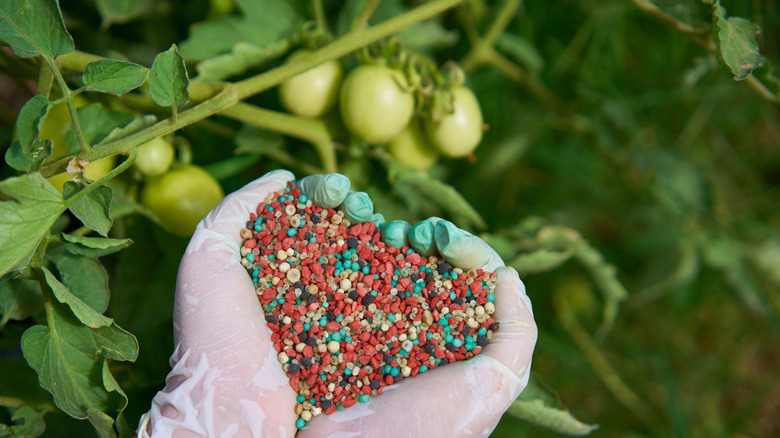
Too much nitrogen in your soil gives you bushy plants without a lot of fruit, and phosphorus is usually present in adequate amounts, unless a soil test confirms otherwise. But potassium is the nutrient that fruiting vegetables need, since a majority of problems with ripening fruit have to do with low potassium. For healthier tomato plants, fertilize them once when they are put in the ground, then again after fruit has set. When the fruits are about the size of a dime or quarter, an application of a fertilizer with a 5-10-15 NPK rating gives them exactly what they need to develop large, juicy tomatoes. But since a 5-10-15 NPK fertilizer can be tricky to find, applying potash directly to your soil is another good solution.
Test your soil and apply potash for bigger tomatoes
Some people swear by coffee grounds for the garden, but they're not exactly what your tomatoes need in the middle of the growing season. Coffee grounds do contain small amounts of nitrogen and potassium, but soil microbes need time to break the grounds down before your plants can use anything, and the potassium they offer is far too little to matter for a hungry tomato. Also, when it comes to potassium, there's something else you should know: amending your garden soil with potassium only increases yields if potassium isn't already available in your soil.
Soil tests make it possible to see what your soil needs so you don't waste money on fertilizer that wouldn't really help you get a bigger harvest. Another reason to test your soil before fertilizing is that overapplying potassium can affect calcium and magnesium uptake, which triggers yet another problem that can impact your harvest: blossom end rot.
Instead of trying to find the perfect fertilizer for tomatoes, it's better to read your soil test and apply the nutrients it actually needs, which can vary significantly. If your soil needs potassium, you can apply a product like Espoma Potash 0-0-60 according to how much the test indicates. When you're applying it, just remember that the 60 means the product is 60% potash by weight, so 1 pound of it delivers 0.6 pounds of potash.
What else your tomatoes need for a juicy harvest
Tomato plants are heavy feeders, and if you're looking for a simpler product to apply for the mid-season application, one of the best fertilizers for tomatoes is Espoma Organic 3-4-6, which keeps nitrogen low and potassium high, just like your tomatoes need. However, it also contains 8% calcium, and although calcium is important for overall garden health, this brings up another garden myth worth busting. Many people say that you can fix blossom end rot with a calcium foliar spray. However, while it's true that calcium deficiency is linked to blossom end rot, adding more calcium isn't necessarily the answer.
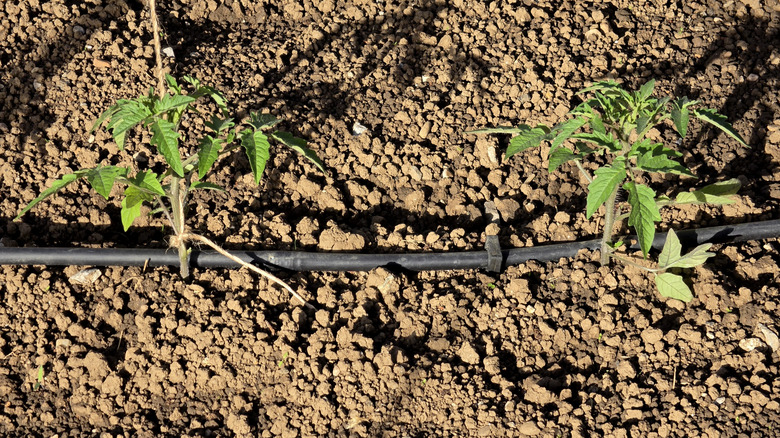
Calcium is usually already in your soil, and what's missing is the consistent water that moves it into the fruit. So, what your tomatoes actually need to avoid blossom end rot is both calcium and a consistent water supply. Giving your tomatoes about 1 to 2 inches of water a week is the solution, and applying it to the base of the plants underneath the mulch via a soaker hose or drip line is a good approach. When your tomatoes are watered consistently and given what your soil test calls for, that steady moisture is what actually drives fruit size.