

How To Clean An Air Conditioning Drain Line (And How Often You Should)
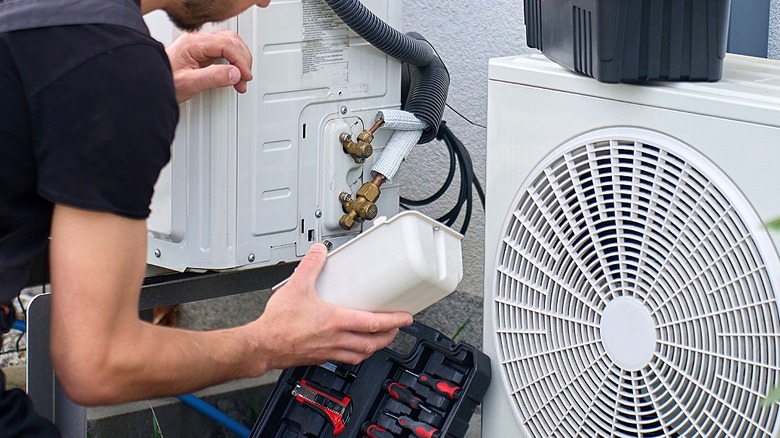
With heat waves that can cause consistent temperatures in the United States of over 100 degrees Fahrenheit, along with high levels of humidity that make things feel even hotter, your HVAC system isn't just a device that's imperative for comfort, it's also incredibly important for you and your family's safety. However, if you haven't given it much thought lately beyond appreciating the cool breeze it provides, it might be worth implementing a few useful tips to prolong the life of your HVAC system and keep it in good working order when it matters the most.
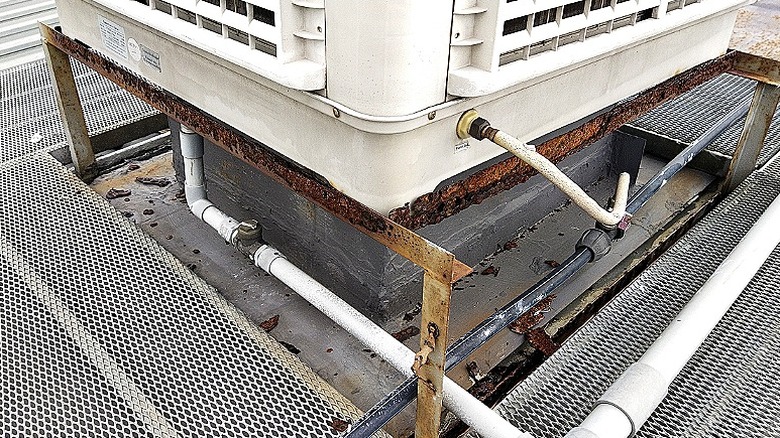
One of the most common issues air conditioners face, especially in particularly humid environments, is a clogged drain line. It's recommended to flush your system's drain line every few months to keep things clear and free-flowing. If you neglect this maintenance task, you might notice uncomfortably high levels of humidity in your home, the development of rust on the unit, water pooling in the drain pan, frequent shutoffs, or issues with consistent cooling.
Luckily, this task is fairly simple to complete yourself. If you're noticing any of these symptoms but your unit is in good working order otherwise, a basic flush is likely all you need. If there are larger problems, however – think major water damage, the development of mold, loud noises, or near-constant clogging – those are warning signs from your HVAC system you shouldn't ignore, and calling a professional to properly diagnose the problem and perform any additional maintenance is a much safer bet.
How to flush your air conditioner's drain line
Before you get to work on this maintenance task, you'll want to gather a few supplies first. A shop vac can be a great help here if you already have one on hand, but it's not an absolute essential. You'll also need a drain line cleaner (vinegar can be a versatile cleaning tool, too), some rags, and a plumbing snake if you suspect a clog. Shut off your AC unit for safety, and you're ready to get to work.
Locate the drain line; you'll be looking for a PVC pipe with a cap on it that's attached to the unit. Remove the cap, then take a peek inside. If you see any visible blockages or debris, run the snake through the pipe or use your shop vac to remove the clog. Simply clearing out this blockage should get your machine back in working order, but following up with a flush with your vinegar or PVC-safe drain line cleaner will nix any smaller areas of buildup that you might have missed. You only need about a cup of your chosen cleaner; let it sit for around 30 minutes at minimum, then follow up with some clean water.
Pop the cap back on the drain line, and while you're already working, it's a good idea to inspect the drain pan and give it a good clean. If you see pooling water, sop it up with the shop vac or your rags to reduce the risk of mold growth. Finally, power on the unit to ensure everything is flowing and functioning as intended, and if you don't notice any further issues, you should be good to go.