

Commercial Pressure Washers Aren't Built Like The One You Use At Home (& It's Not Just Power)
We may receive a commission on purchases made from links.
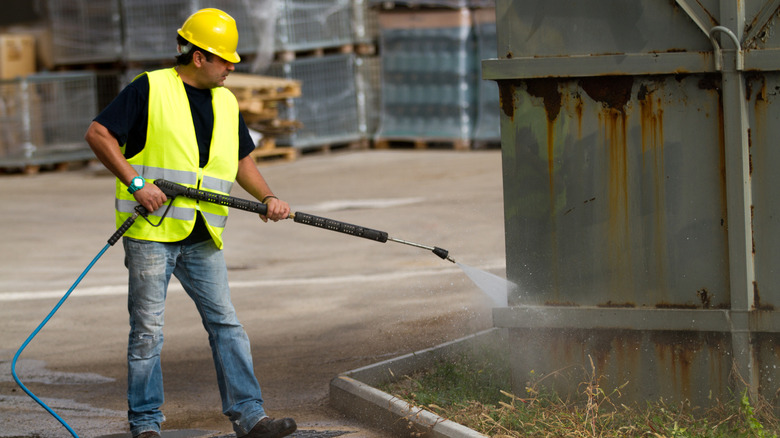
Having a pressure washer at your house can be a significant time-saving tool, as it is an efficient means of cleaning items with large surfaces, such as siding, a deck, a driveway, fences, and more. But because of hassles like inconsistent water pressure and leaks, some people may wonder if pressure washers are actually worth buying. Some of the reasons people may have a negative view of pressure washers is because they purchase an entry-level machine that may not have the features or power needed for the job. Such issues might give you a negative view of all pressure washers. To avoid this common mistake people make when pressure washing and buying a machine, you need to overcome the limitations of a residential design. Instead, consider purchasing a commercial-level pressure washer. Even if you're a homeowner, you have the right to purchase commercial-quality power washers and other tools and equipment to match your high-demand jobs.
Typical commercial power washers could deliver two to four times the pounds per square inch (PSI) of water pressure of residential units. They have advantages in several other areas, too, including offering a longer warranty period compared to residential-quality products. They are made to work over a prolonged period, allowing you to finish big jobs without worrying about problems like overheating. Residential pressure washers may require you to take breaks a couple of times an hour to prevent overheating.
Advantages of a commercial pressure washer beyond power
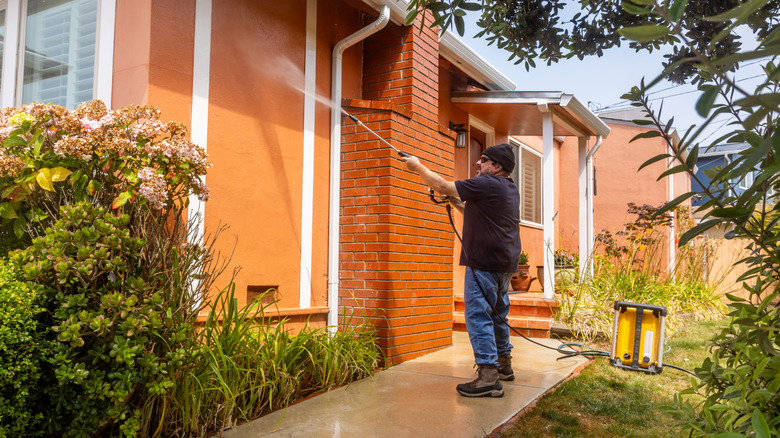
The key difference that sets a commercial pressure washer apart from entry-level models is a stronger motor that can generate additional horsepower, or HP. A bigger motor with more HP generates the water pressure necessary to remove tough substances from surfaces better than a residential model that has a motor with less HP. When looking beyond the unit's power, longevity is another key difference. If you need to frequently use your pressure washer, a commercial unit has the durability needed to meet these demands. A residential-grade unit is designed for people who only need to use the machine for 1 to 2 hours per week.
Commercial machines also offer higher durability by using higher-quality parts (especially in the pump mechanism) that can be repaired if something breaks down in the future. A pump that consists of brass or stainless steel should last longer than a residential-quality pressure washer pump that primarily consists of aluminum. You should see a reflection of the higher-quality parts used in the machine's pump in the warranty period that's offered. Commercial pressure washers should have a 5-year warranty on the pump and 3 years of protection on the engine. A residential model might not have separate warranties for the pump and engine, and the general warranty might only last a couple of years. Finally, a commercial model will typically have more options for managing difficult cleaning work. They tend to offer a hot-water cleaning option and make it easier to add soap. High-end models ship with several different nozzle attachments to gain additional cleaning features.
Some potential drawbacks to buying commercial-grade designs
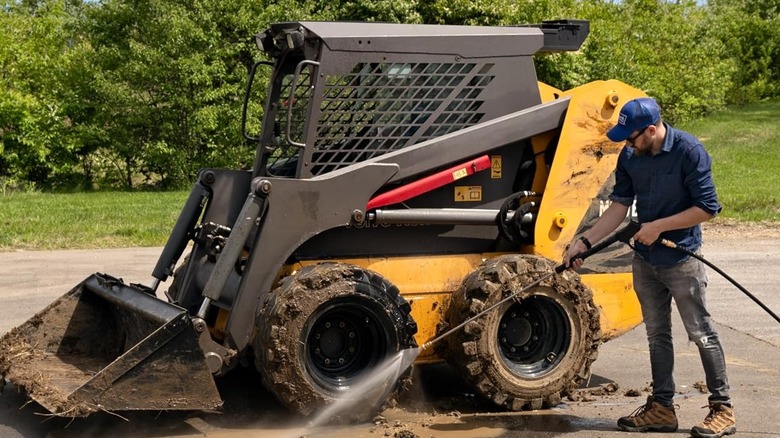
Although commercial-quality pressure washers have desirable high-end features, you should be certain that you absolutely need these advanced features because you'll pay significantly more for them. You'll find a residential-grade Ryobi Electric Pressure Washer at Home Depot for $199, but you could pay $10,000 or more for a high-end commercial-quality unit. Even a low-end commercial model may cost roughly $750 to $1,500. Commercial models have a variety of price ranges, based on the features offered. If you won't frequently use your pressure washer and aren't sure if you can fit a commercial-level model into your budget, you may want to stick with the cheaper residential-grade unit.
If you don't have experience with the horsepower and features found with a commercial pressure washer, you might cause damage to the items you're washing. A DIYer might tear shingles loose while washing a roof, for example. It's important to match the type of nozzle you're using and the pressure setting (in PSI) to help prevent shingle damage. Test the commercial unit and practice running it before actually using it on surfaces that could suffer damage.
You'll notice that a typical commercial pressure washer weighs significantly more than residential-grade models, which can complicate using it for DIY jobs. Even the most basic units can weigh 80 to 100 pounds, and larger units that run from gas can weigh far more. A residential-level unit that runs from electricity could weigh as little as 30 pounds. However, many of the heavier machines have built-in wheels or sit on carts that help with moving them around.