

5 Things To Stop Doing During A Heatwave To Protect Your Home
We may receive a commission on purchases made from links.
It's on the record that heatwaves are no longer a rare phenomenon. They're occurring more frequently, lasting longer, and hitting much harder than they used to. If anything, we're all used to the drill by now. Before an expected heatwave, shut all the windows to block out heat, unplug as many electrical appliances as possible to avoid generating more heat, and set the thermostat to an economical temperature. As you wait for the wave to pass, sometimes all you can do is keep yourself cool with liquids.
But as you're managing your bodily and indoor temperatures, the hot, dry weather may be doing a hot number on your home and garden. After all, these external elements bear the greatest brunt and start to show terrible wear, compromising your home's aesthetic. Plus, some of your actions, like mowing your lawn as usual or allowing the foundation soil to dry, may make things worse. To elaborate, if you aren't actively paying attention to your home's sealing, piping, or decking, you may have to contend with expensive repairs or replacements later. That's why catching any major problems early on is important. With that in mind, here are five overlooked things you must quit doing when the external temperatures reach unbearable levels.
Stop mowing your lawn short when the heat is high
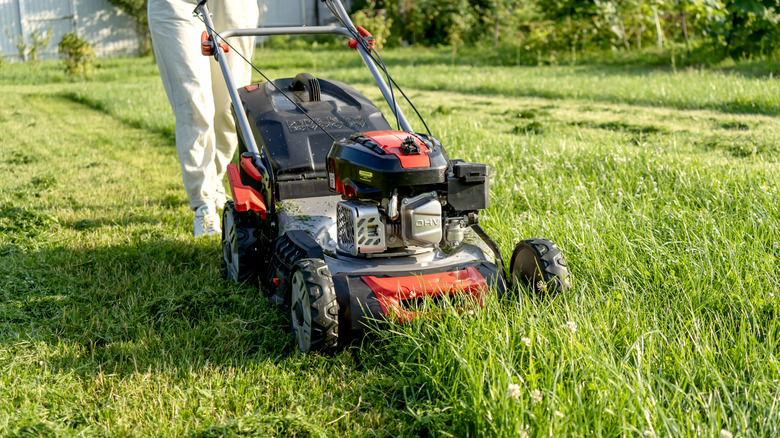
Your mowing schedule, which may have functioned beautifully in spring, is unlikely to work during a heatwave. Unsurprisingly, grass is less resilient when it's being dehydrated and sometimes scorched, by heat and sunlight. It makes sense that you'd want to keep your lawn looking neat all summer — even if it involves waking up early to mow when the weather is cooler. However, having short-mowed grass may actually work against your lawn's health and ruin your curb appeal once a heatwave swoops in.
By keeping the grassy blades longer than usual, you can create cool shade for the roots and overpower any emerging weeds while improving the soil's ability to retain moisture. Moreover, taller grasses develop deeper roots. This grants them the ability to access water from deeper depths when required. So, how long should your grass be during a heatwave if you want to keep it healthy? While it may vary across species, ideally you can get by maintaining a height of 3 ½ to 4 inches. However, if your turf has already gone dormant, as would be the case for most cool-season grasses, ditch your lawn mower altogether. Remember, dormant grasses may appear brown or dead, but they'll return from roots once the heat subsides, even if they're not watered for a month. Past that point, however, you must water them once a week to keep them alive, or else you'll be looking at expensive reseeding come fall.
Stop allowing the soil around your house to dry out completely
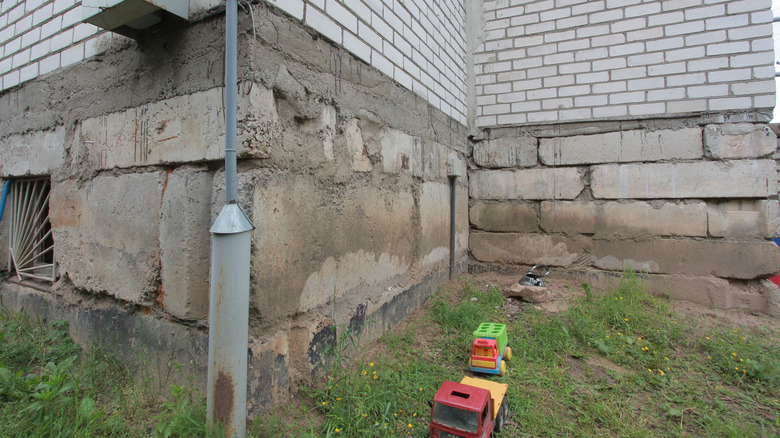
Heatwaves not only wreak havoc on your landscaping, but they also take a toll on your foundation. When the sun beats down hard on the soil, it's sure to dry out and shrink, especially if it's made of fine materials or has a clay texture. When the soil pulls away from the foundation walls, it creates a gap, aggravating evaporation. Over time, this stresses out the foundation slabs, riddling them with cracks and fractures. You may even notice fissures along the walls — both indoors and out. A shifting concrete slab can even pull your flooring out of alignment. So, you might struggle to shut the windows or close the doors, as they will feel sticky. Worse, if the heatwave is followed by a sudden downpour (which isn't uncommon), moisture will have a ready pathway to seep into and under the foundation, creating all sorts of structural issues. At the very least, it might flood your basement.
So, to keep your home protected in extreme heat, you must keep the soil surrounding your home's foundation somewhat moist. Naturally, you shouldn't pour water directly into the gaps since it may sink into the basement. Instead, water a good 2 feet away with a soaker hose that drips water at a steady pace to allow for deeper soil penetration. Soil, when wet, expands, and will reset the overall alignment, though you may have to get the foundation cracks fixed.
Stop treating sealing as a pre-winter chore
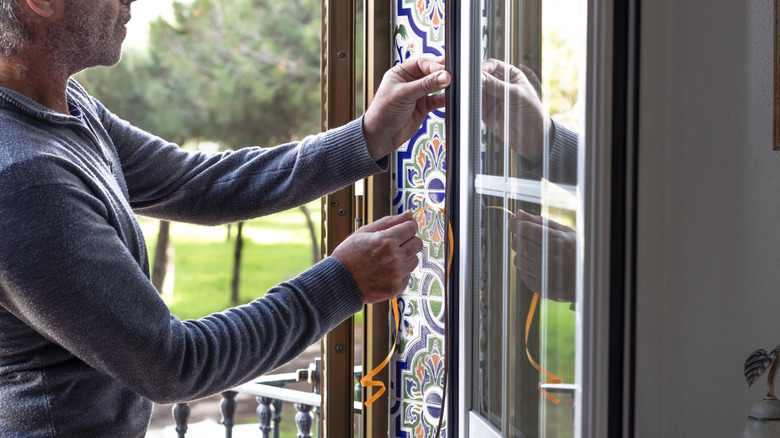
Think you only need to check your home's weatherstripping in time for winter? Breaking news: it's just as important during the summer. Energy Star estimates that air leaks account for between 25% and 40% of the total cooling lost (or heating, for that matter). While many factors could be at play, your prime suspect should be the gaps around the doors and windows from where hot air may stream into your home. When they're faced with excessive heat, seals and weatherstripping often shrink or come apart, creating gaps in your home insulation.
The worst part, perhaps, is the added load on your HVAC unit. Even if your seals were in good shape, it will have to work harder and longer to maintain an optimal temperature during a heatwave, but now it must also overcompensate for air leakages. As you can imagine, such stress can cut short your appliance's working life, in addition to substantially raising your utility bills. Here's hoping you have at least cleaned or changed the air filters on time. The last thing you can ill afford to skip during a heatwave is not repairing the seals around your windows and doors. Make sure the weatherstripping isn't peeling or cracked, your windows are cleanly caulked, and the doors are perfectly aligned to prevent any major air transfer.
Stop ignoring the condition of your decks

You would think that, as outdoor fixtures, your decks built to endure the heat, and they generally are. However, even the best decks can take some damage when the sun generates debilitating heat for prolonged periods, especially if they're made of wood or timber, though vinyl can also have problems. In tandem with sun exposure, wood expands and shrinks, generating fissures and splinters. If it isn't properly sealed, you may even notice the boards warping or graying. Eventually, you may have to replace your deck sooner than planned, especially if you live in an area that is already being impacted by climate change. After all, these heatwave episodes are likely to become more frequent in the years to come.
The typical advice to prevent or at least delay the damage to your decks and handrails is to keep them coated in a UV block treatment, be it a stain or an oil. However, a heatwave might not be the time to apply, since treatments might not cure properly in triple-digit temperatures; they usually draw the line at 85 degrees Fahrenheit. So, while you may attempt it after the temperatures have cooled down, until then, keep track of damage and take care of cosmetic repairs early in the day or late in the evening to keep the decks looking their best. You may also lightly mist them in the evening to slow down warping and clear away dirt and debris. If possible, extend a sun umbrella or an awning to create some shade.
Stop dithering on pipe maintenance
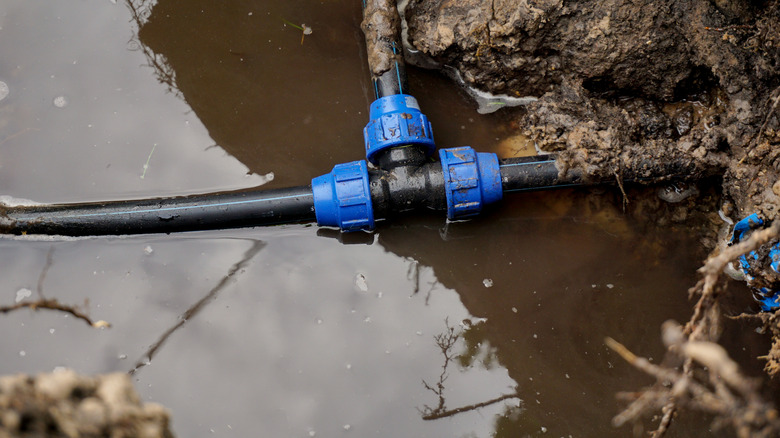
Exposure to strong heat is can be equally as bad as a frigid winter for your pipes. If they're made from metal like iron or steel, or even plastic, they're highly likely to expand when heat surpasses a certain level. This can stress out the joints, causing leakages or bursts. Additionally, since you may be taking more showers to keep cool and rinse off sweat, your plumbing system is already working overtime, and such a breakdown can cause a boatload of trouble. This is felt even more acutely in old homes or plumbing systems that have already endured a lot of wear and tear.
Even your garden sprinklers and water hoses may struggle with heat expansion, and the problem can cost you dearly. If the foundation starts to shift and sink from the heat, too, it can affect any underground piping (a side effect of dry soil, as we touched upon above). While you're holed up inside, examine the plumbing running through non-insulated parts of your home, especially the attic and the basement. Secure any loose bolts or arrange for pros to fix any damage before the issue escalates. It's also a good time to invest in devices that will alert you to water leaks, such as the GoveeLife Upgraded Smart Water Leak Detectors.