

Gardeners Grew This Vegetable Before Potatoes Became Popular, Now Few Would Recognize It
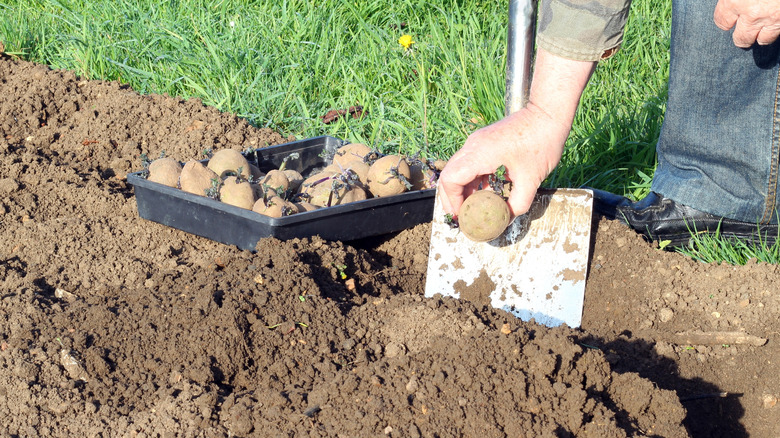
Potatoes have been a vegetable staple for so long that you may wonder what early gardeners grew before this root vegetable soared in popularity. Back in the Middle Ages, way before it was common for people to grow the humble spud, there was another root vegetable that you wouldn't even recognize if you saw it today. It was known as skirret (Sium sisarum) and is a close relative to other vegetables that grow underground, such as parsnips and carrots. It was usually prepared in an identical fashion by roasting, boiling, and creaming, similar to mashed potato.
What was even more advantageous is that skirret is a perennial, so when the roots were harvested, a few were put back into the ground so that the plant could come back to the garden on its own every year, much like asparagus and horseradish. The underground rhizomes of the plant look somewhat like skinny dahlia tubers all growing from the base of the crown. The plant itself has fine stems with lance-shaped leaves and umbels of small white flowers. When cooked, the rhizomes are quite sweet and nutty in taste.
How to grow skirret in your own garden
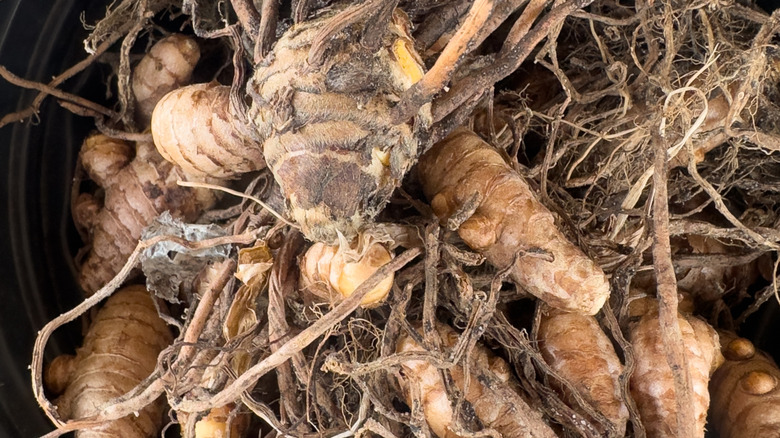
Just like the old-school gardening tricks you wish grandma told you about, if you're always on the lookout for something different to grow in your garden, you might want to give skirret a go. It's a low-maintenance plant, and you should be able to buy some seeds online. Skirret does well in USDA hardiness zones 4 through 9, and once you have some established in your garden, you can replant the rhizomes for a continuous crop. You might find that it will also reseed. Seeds can be sown in the garden in spring in a sunny spot. Once the seeds germinate, you'll find the plant will reach a height of around 4 feet, and the flowers will appear in summer. These will keep visiting pollinators happy.
In the fall, the plant will die down, but try to wait to harvest the rhizomes until the second year, as the first year's roots will be somewhat woody. Keep your plants sufficiently watered to ensure that the roots get plenty of moisture. You'll find that skirret will even grow quite successfully in moist spots in the garden and can handle a bit of shade. In the second year, you can dig up the plants and divide the rhizomes. Choose a few to replant and take the rest into the kitchen for cooking.