

Enjoy Produce Sooner: The Household Waste Item You Can Use To Ripen It Faster
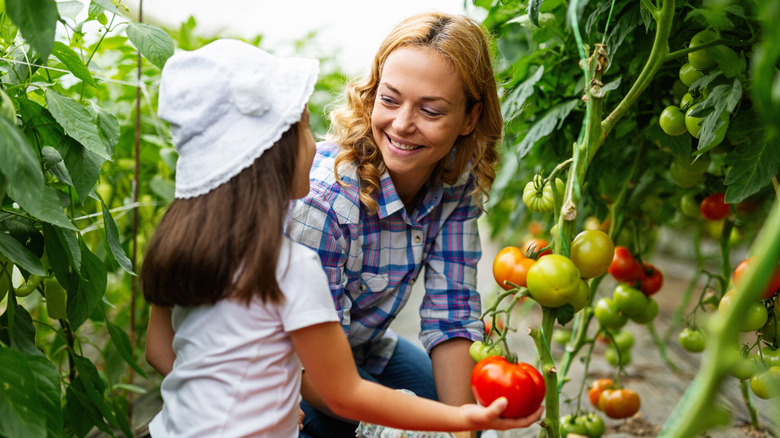
Whether a cold snap is coming or your garden is threatening to topple over from its bounty, there are benefits of harvesting your tomatoes when they're slightly green – not to mention those unripe pears, honeydews, and winter squashes. One advantage? Harvesting produce early buys you time to slowly ripen it, rather than rushing to use all the fruits and veggies at once. But what's the best way to ripen them once they're picked?
Not surprisingly, a common household item can be pressed into service. One of the clever ways to repurpose newspaper around the house and garden involves layering produce between the sheets for faster, safer ripening. Newspaper storage offers a twofold advantage. First, it absorbs the kind of moisture that can lead to rotting. Secondly, newspaper is effective at trapping the gases that produce such as tomatoes, apples, bananas, peaches, and pears emit. These gases, called ethylene, are natural produce-ripeners. When certain fruits and veggies are carefully stored in newspaper, those gases can't escape, and instead go to work ripening produce.
It's important to limit the newspaper methods to produce that actually continues to ripen after harvesting. These "climacteric" fruits and vegetables, as they're called, include tomatoes, pears, winter squash, apples, apricots, peaches, plums, and honeydew melons. When you need a method that works for a number of tomatoes or other produce all at once, and which tends to be more gradual, allowing you a longer "shelf life," consider the newspaper storage system.
Create sandwich layers of newspaper and unripe produce
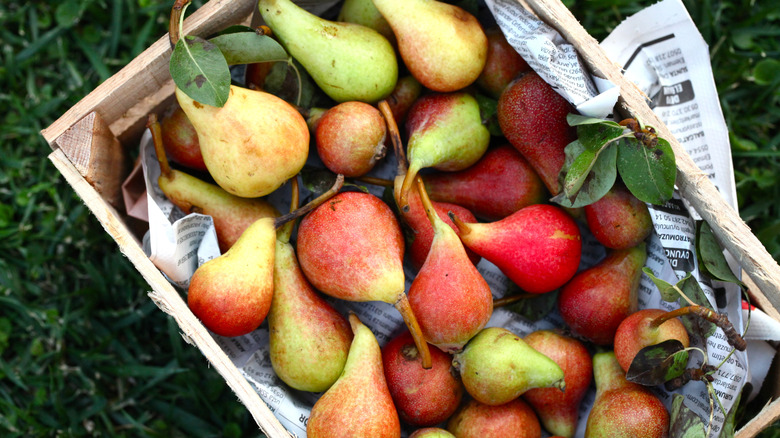
Start by sorting through your harvested fruits or veggies. It's best to set aside oozing or bruised produce rather than risking them damaging their neighbors. Next, free up kitchen countertop space by setting undamaged, unripe produce in a dry, cool, airy place, such as a pantry or non-humid basement.
The best method for storing and ripening a bumper crop of most unripe produce is to lay newspapers at the bottom of a shallow box or bin. Set a single layer of fruits or veggies on top of the newspaper, and cover them with more newspaper. (Of course, bigger fruits and veggies, like honeydews and winter squash, can be wrapped indivuallly in sheets of newspaper.) This system ensures that moisture is absorbed, while also helping to trap the ethylene gas that promotes ripening. It's better to set boxes next to one another, or to stack the boxes in such a way that fragile produce doesn't have weight on it. This prevents additional bruising.
After setting the produce between newspaper layers, it's important to check it every few days. Pull out the ripe ones for immediate use. If too many are ripening at once, you can take them out of newspaper storage to slow them down. On the other hand, if you need several pears, tomatoes, or other kinds of produce to ripen at once, put a ripe banana or apple inside the newspaper "sandwich" with the unripe produce to ramp up the ethylene gas production.