

Concrete Blocks Just Won't Do: The Natural Stone You Can Use For A Retaining Wall
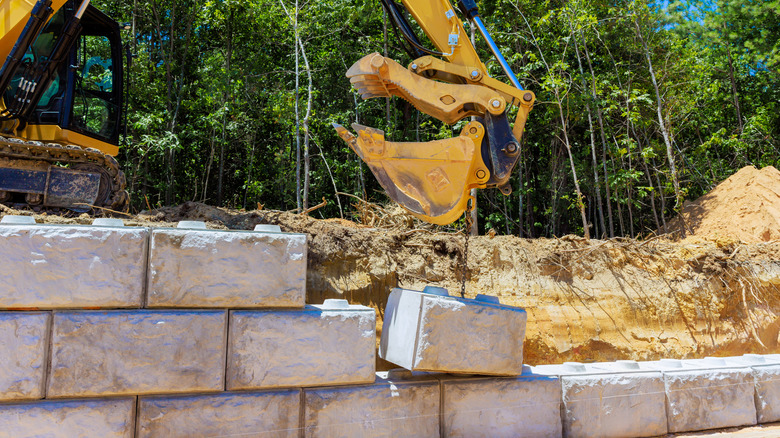
When dealing with sloped landscapes, there's always the challenge of finding the best type of retaining wall material to help prevent flooding. Concrete may be the standard choice due to its durability, but it isn't the only option for the job. Homeowners looking for something just as durable but with a more natural appearance may want to look into limestone blocks.
This sedimentary stone has long been a material of choice for construction works thanks to its impressive strength and timeless appeal. Considered one of the best natural stones for a retaining wall, limestone is an attractive alternative to plain concrete blocks in modern landscaping.
Limestone blocks provide solid structural support to hold back soil in elevated garden beds, feature walls, and more. With its dense composition, such a material can withstand significant pressure from the earth behind it. While it's not as erosion-resistant as other materials, it still weathers heavy rainfall and melting snow surprisingly well, helping keep soil from washing away over time. The best part is that it can seamlessly blend into or enhance outdoor spaces with its softer, more organic look compared to concrete. If you want your retaining wall to look more naturally stylish without compromising on integrity, consider opting for limestone blocks instead of concrete.
The cost of building a limestone retaining wall
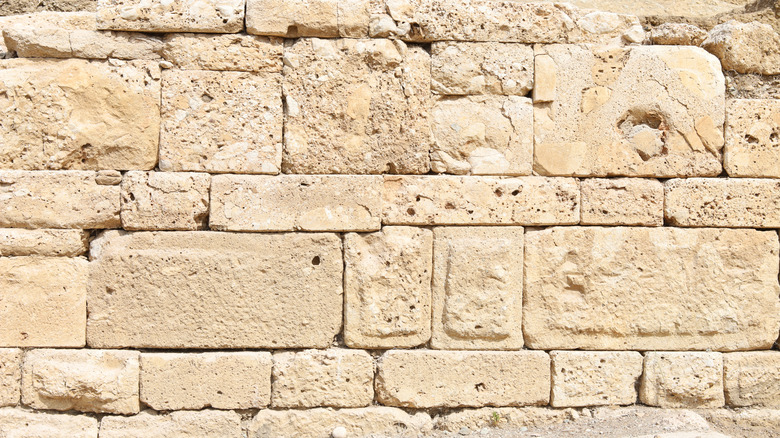
Limestone blocks have been in use in construction and architecture for thousands of years, with the earliest evidence pointing to hand-cut blocks by the Egyptians when they built the pyramids. The material has also been the go-to choice for ancient large structures, including amphitheaters, castles, temples, and churches, proving that its durability has always been its main selling point.
However, while durability is a big factor when navigating the do's and don'ts of building a retaining wall, there's another element that's just as important: cost. Compared to concrete, limestone tends to be more expensive. Concrete blocks fetch between $30 and $60 per square foot (at the time of writing), while natural stone ranges from $50 to $100 per square foot. These figures will vary depending on details like wall height, site access, and labor rates.
So, what makes investing in natural stone like limestone for retaining walls worth it? For Mexico-based architect and interior designer Mauricio Lobeira, it's mostly about the aesthetics, as natural stone adds texture and character, which concrete materials lack. "The placement, pattern, and repetition of natural stones and bricks can create a contemporary look," Lobeira told Architectural Digest. This, of course, boosts the value of the property, especially since limestone has a visual appeal that stands the test of time. Beyond this, the building material has other perks, as it is resistant to harsh conditions, such as fire, weather, and even impact.