

Why You Should Reconsider Using A Zip Cover On Your Air Conditioner Unit
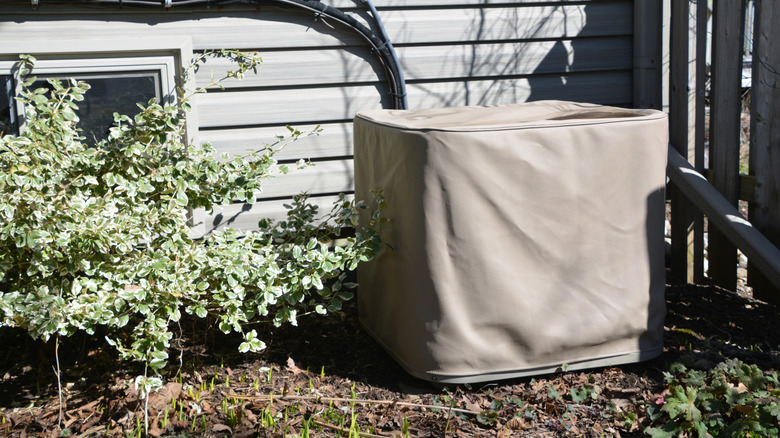
If you've ever had to pick grass clippings, pollen, or falling acorns out of your outdoor air conditioner during the summer, buying a zip-up cover probably felt like the ultimate shortcut. It's easy to see the appeal of keeping your unit spotless during peak outdoor season, but using a zip cover is one of the worst mistakes a homeowner can make. Air conditioners rely on continuous airflow to release heat from your home, and trapping that unit inside heavy fabric — especially while it's running — can seriously damage the system. If someone accidentally turns the thermostat to "cool" on an unusually warm spring or late autumn day while the unit is still zipped tight, the compressor can overheat because airflow is blocked.
While a zip cover keeps rain and snow off the outside of the condenser, it can also trap moisture inside. Temperature fluctuations can create condensation under the cover that evaporates more slowly because of reduced ventilation. Over time, that trapped moisture can lead to rust and corrosion on metal components. Combined with organic debris, such as leftover lawn clippings or dust, the damp environment may also be a breeding ground for mold and mildew. While this won't blow spores into your home (since the outdoor unit operates on a separate airflow loop), it can contribute to dirty coil fins, restrict performance, and create unpleasant odors outside your door.
Even more reason to skip the zip cover
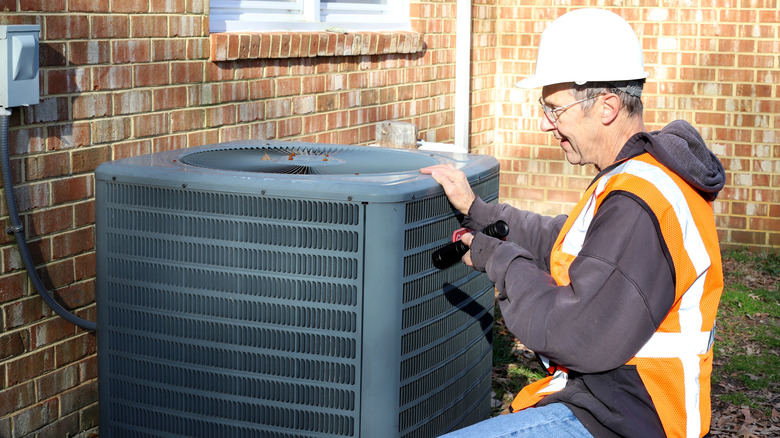
Summertime lawn care brings its own hidden hazards to your outdoor HVAC unit. Lawn chemicals and mineral-heavy sprinkler water can easily settle on the metal surfaces. When a cover is zipped over the unit, those residues can remain trapped with moisture, creating a microclimate that may accelerate corrosion. Left unchecked, corrosion can eventually lead to premature system leaks, causing you to face expensive refrigerant leak repairs and recharging or a replacement altogether.
Beyond chemical exposure, there is other environmental wear and tear to worry about. Zip covers create a "greenhouse effect" on hot sunny days, trapping intense heat inside the enclosure. This excessive heat can accelerate the degradation of rubber seals, electrical wire insulation, and capacitors much faster than normal outdoor exposure ever would. If you want to avoid costly maintenance down the road, there are several useful tips to prolong the life of your HVAC system without relying on risky covers — especially since this constant heat stress can quietly shave years off your unit's usability.
Even though a cover is meant to protect your investment, an enclosed box with zip closure is prime real estate for small animals in the winter. In fact, covering your AC unit in winter is a recipe for unwanted visitors looking for a warm shelter during the colder months. Critters like mice, rats, and squirrels frequently chew through fabric to nest inside outdoor equipment. Once inside, these pests can damage wiring, build nests around the motor, and leave waste that corrodes copper tubing. Because full covers trap humidity and encourage pest infestations, some HVAC manufacturers explicitly state in their warranty terms that damage caused by full unit covers or non-breathable wraps is not covered.
How to protect your AC instead
If full zip covers ultimately do more harm than good, how should you protect your central air conditioner? The key is focusing on targeted protection while keeping airflow unrestricted. Learning how to keep leaves and sticks off an outdoor AC unit often comes down to covering only the top grille while leaving the sides completely open. To do this, you can use the plywood method: Cut a piece of heavy plywood slightly larger than the top of your unit and weigh it down with a brick or another heavy object. This can help prevent debris from falling into the fan guard while leaving all four side grilles open for ventilation.
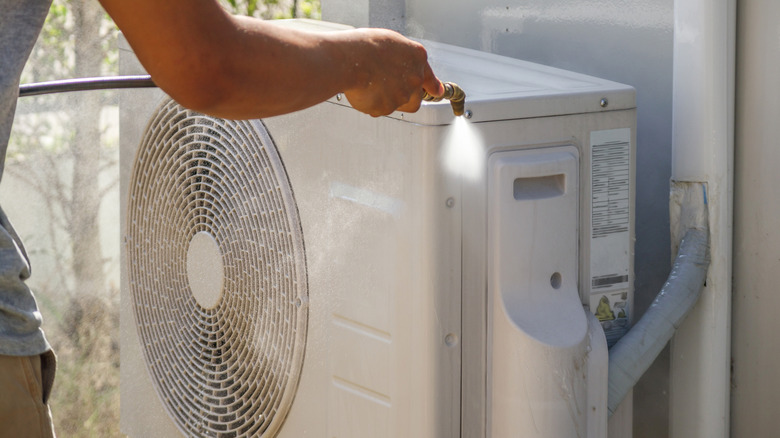
The easiest way to protect your AC unit year-round is giving it breathing room. Focus on trimming bushes, weeds, and hanging branches at least 2 feet away from every side of the unit. You can also point lawnmowers away from the condenser so grass clippings, rocks, and mulch don't spray against the aluminum coils. When prepping for winter, skip the chemical cleaners unless recommended by a pro. At the start of spring and the end of autumn, use a standard garden hose (never a high-pressure power washer) to gently spray off dirt, pollen, and salt buildup from the exterior fins. Spray downward at a slight angle, so water glides off safely.
If you do choose to use a zip cover despite the risks, taking a critical safety step is essential. To completely avoid accidental startup damage during off-months, switch off the dedicated exterior electrical disconnect box located on the wall next to your unit. This helps prevent the compressor from accidentally starting if someone bumps the thermostat inside.