

'60s Landscaping Trends That Should Make A Comeback
We may receive a commission on purchases made from links.
The 1960s were full of eye-popping, playful design ideas both indoors and out. If you're searching for unique landscape designs, the mid-20th century can be a stunning source of inspiration. Whether you have a modern or vintage home, the '60s style can be suitable for a wide range of outdoor setups. If your goal is to curate a space that feels fun and communal, this is a great decade to revisit.
From kitschy touches to classy mid-mod decor, the '60s presented a wide range of creative outdoor concepts. You don't have to completely reimagine your backyard or patio to make a major visual impact. Give your outdoor area a fresh look by exploring these '60s landscaping trends. While these retro trends haven't fully returned to the mainstream, we wouldn't be surprised to see them make a big comeback. In fact, a lot of them are ideal for contemporary outdoor living.
Breeze block fences
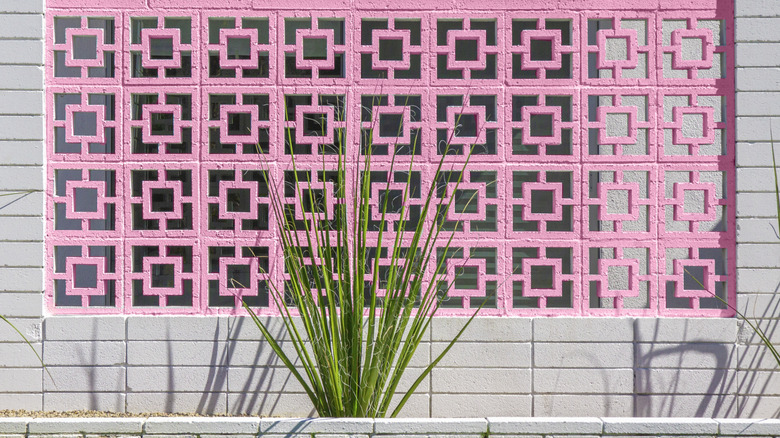
You've likely seen breeze blocks as remnants of mid-century modern architecture. Breeze blocks are decorative concrete blocks with geometric cut-outs that became especially popular in the mid-20th century. They were used to define patios, entryways, and property lines while adding privacy, without completely blocking light or airflow. Used in both residential and commercial architecture, they created semi-open partitions that helped keep back and front yards cool, allowing breezes to pass through. Even today, breeze blocks can upgrade your outdoor space.
Breeze blocks don't need to be modernized to fit a contemporary home — they're already perfectly suited to today's exterior spaces. You simply need to choose your design based on whether you want them to lean fully retro or feel more understated. They come in a wide variety of patterns, from simple linear grids to bold geometric and floral motifs. In addition to serving as a privacy screen, you can also use them to build benches, planters, or other outdoor surfaces. If you really want to get funky, consider colored breeze blocks in a retro shade like coral or turquoise.
Concrete pavers surrounded by gravel
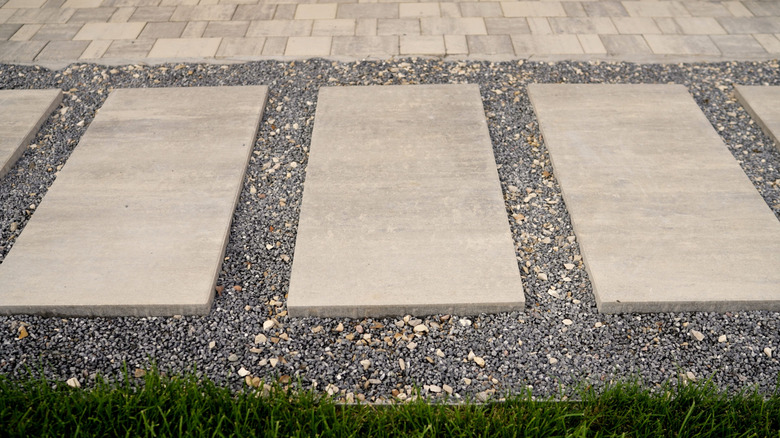
Concrete pavers were particularly popular for creating outdoor pathways. They are geometric slabs of concrete, usually surrounded by fine gravel. While they were often square, circular shapes were also a trend in the '60s for those who wanted a more organic look. For an even more dynamic effect, some homeowners opted for aggregate pavers. Similar to terrazzo, these featured exposed stone chips and exemplified the fun in '60s landscaping trends.
Pavers aren't just practical — they're also a super affordable method of adding visual interest to your landscape. All you need to do is lay the pavers, with gravel filling the spaces between them. If you want to create maximum contrast, pair light gray pavers with black gravel. For a more understated look, try matching the gravel to the color of the pavers. Terra-cotta outdoor tiles and pavers are also making a comeback, offering a warm, earthy alternative that perfectly blends '60s landscaping influences with today's love of natural materials and modern outdoor design.
Pivoting fiberglass screens
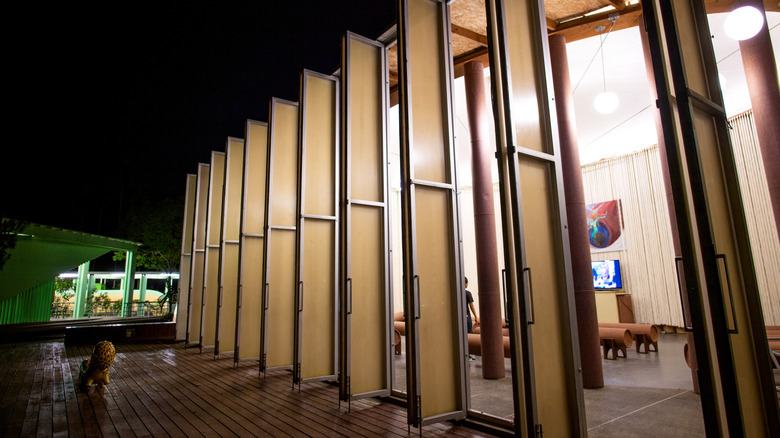
The '60s was all about blending innovation with optimism, creating designs that were both practical and visually exciting. With this in mind, pivoting fiberglass screens were rotating panels mounted on vertical poles. Each panel could turn individually, allowing the screens to shift positions as needed. Their purpose was to create flexible outdoor partitions that provided privacy, shade, and separation, without the permanence of a solid wall. With their repeating shapes and sleek panels, they fell in line with the retro geometric design trend.
One of the primary benefits of pivoting screens is their adaptability, allowing homeowners to change the layout and privacy of an outdoor area as needed. This is especially important in a modern backyard, because current outdoor spaces are often designed to serve multiple purposes. While it's tricky to find the exact fiberglass screens that were present in the '60s, you can easily find a modern option like this Enclo Convertible Freestanding/Surface Mounted Privacy Screen.
A garden with primarily palms
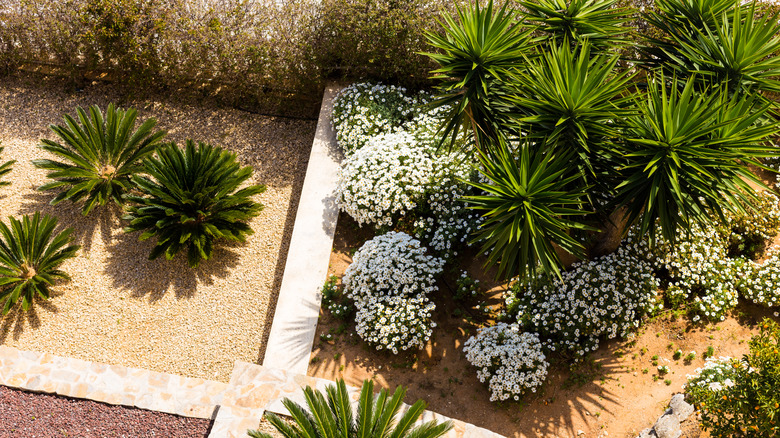
From the mid-century architecture of Southern California to the modern Floridian resorts and beyond, the '60s was all about capturing a resort-inspired atmosphere. A major reflection of this trend was the shift towards palm trees and plants in the backyard. Their tropical silhouettes also complemented the sleek architecture of mid-century modern homes. The combination of sculptural greenery, clean lines, and open-air layouts became a defining feature of the era's relaxed, yet sophisticated, landscaping.
If you're wondering about the different kinds of palm trees to consider for your yard, there are a few things to remember. There are some cold hardy palm trees, which can be an option if your climate isn't typically suitable for tropical plants. For example, the Chinese Windmill Palm can survive temperatures as low as 5 degrees Fahrenheit. The Jelly Palm is another tree that is considered hardy in cooler weather. You can also opt for a smaller, potted palm that can be brought inside during the winter.
Lots of leafy plants, ferns, and ivy
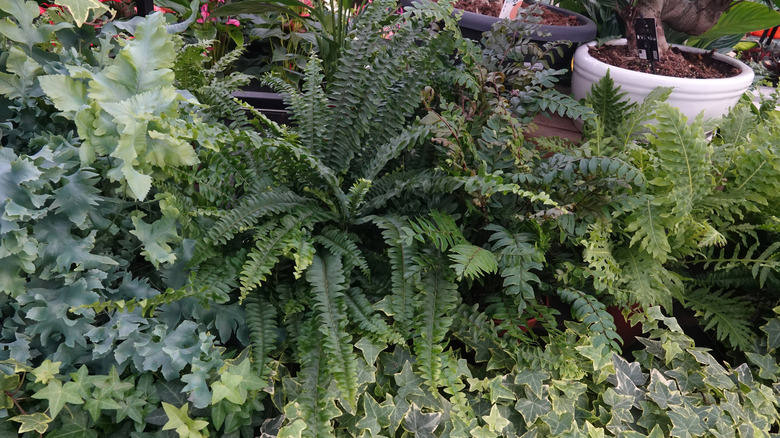
The focus on lush greenery, including ferns, ivy, and broad-leaf plants, was another type of landscaping that was very popular in the '60s. This variety of organic textures softened the clean lines of modernist homes. Layered plants with full growth and various heights worked to create a cool, inviting environment that looked great all year-round. Their ability to thrive in a variety of climates, while maintaining a full appearance, made them a practical choice for the era's emphasis on low-maintenance outdoor spaces.
The goal is to leave little space uncovered and bare, creating a garden where greenery extends throughout the landscape, instead of being limited to designated planting areas. Use plants like ivy to trail across walls and structures, mosses to fill in bare ground, and broad-leaf plants to populate empty corners with natural texture. Let the greenery spread across different surfaces to create a wilder environment that feels intentionally overgrown and super lush.
A circular wooden deck around a tree
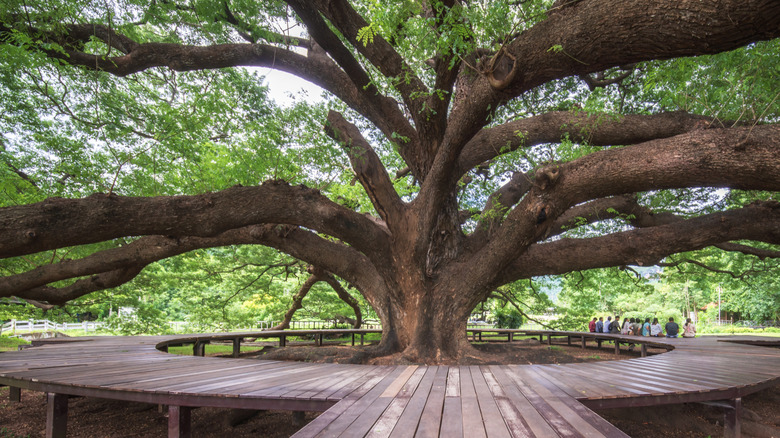
Because the '60s was about bringing simplicity and nature together, minimalism didn't mean getting rid of existing landscape elements. Instead, landscapes were designed around the natural features already present, with minimalism more about thoughtful simplicity, rather than removing everything from the space. Instead of getting rid of mature plants, homeowners sometimes built circular entertaining decks that drew the eye directly to the tree at the center. These designs seamlessly integrated nature with the communal atmosphere of outdoor living.
Somewhere along the way, we've lost the creativity behind unique deck designs — and it's time to bring them back. A deck doesn't have to be a simple rectangular platform extending from the back of your house. You can create an elevated outdoor space in almost any shape or location, including designs that work around existing trees and natural features. From a practical standpoint, building a deck around a tree is a smart way to preserve mature greenery, while gaining natural shade.
A garden gazebo in your backyard
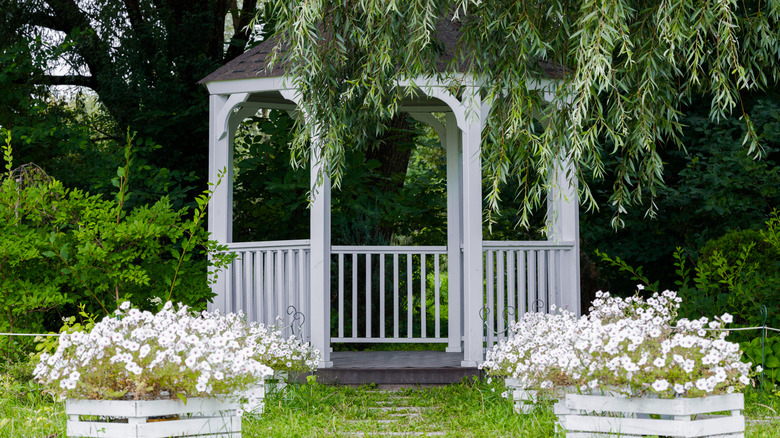
If your goal is to curate a communal space, a '60s-inspired gazebo might be an ideal landscaping concept. Because the '60s were all about spending time with friends and family, this covered gathering space was a major trend. Backyard gazebos provided a dedicated place for entertaining, relaxing, and enjoying the exterior. They also reflected the growing popularity of outdoor living rooms during the '60s.
Not all gazebos in the '60s were covered, some were made of wire for decorative purposes. However, a covered gazebo can be a more functional option. A covered gazebo is a fun idea to make your patio feel more like a living room, providing shelter and protection from sun and changing weather conditions. There are several styles to choose from, and you can definitely look beyond the retro aesthetic. This Modern Shade Permanent Wood Gazebo from Amazon is highly rated, or you can opt for the Favofamilie Pop Up Gazebo if you want a temporary version.
A colorful canvas dome
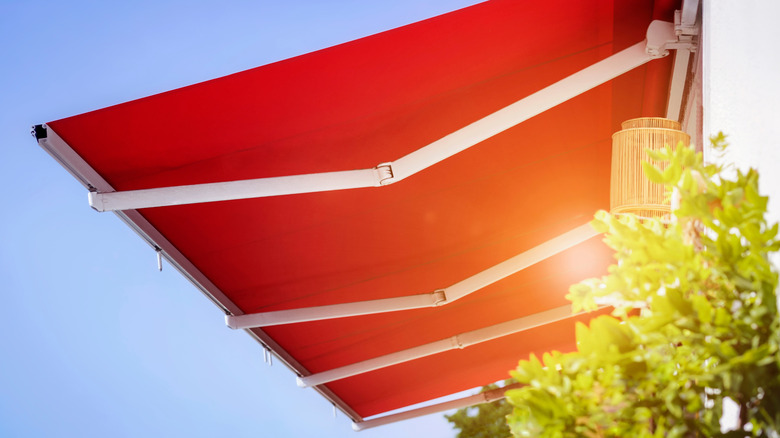
In a similar vein, colorful canvas domes offered shade for outdoor dining, while making a vibrant design statement. Unlike a freestanding gazebo, these structures extended outward from the side of the home to cover a patio or outdoor dining area, creating a seamless connection between indoor and outdoor living. Their bright colors and curved shapes captured the space-age style of the decade, while adding a playful architectural twist.
A modern way to incorporate the colorful canvas dome concept is through a window canopy that attaches above your window to provide shade, style, and added outdoor comfort. Available in a variety of vibrant shades, this Foldable Canvas Dome is a simple way to introduce color and character to your home exterior. Pop-up canopy tents offer another flexible option for outdoor gatherings, helping protect against UV rays, light weather, insects, and other outdoor elements.
A rattan and bamboo lounge set
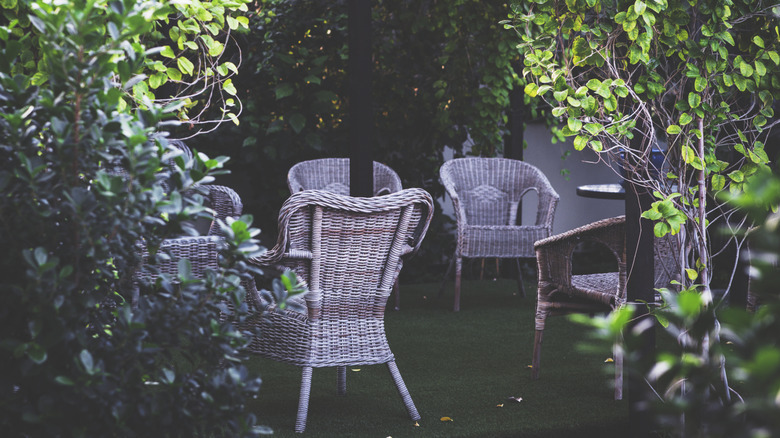
Natural rattan and bamboo furniture added warmth and texture to mid-century modern patios and gardens. Lightweight, durable, and full of character, these lounge sets brought a playful, yet sophisticated, feel to outdoor spaces. The curated matching sets of the era had a distinct charm, pairing organic materials with retro silhouettes that reflected the overall creativity of mid-century design.
With organic decor trending in a big way, woven patio furniture feels like the next natural design revival. Vintage '60s outdoor furniture sets can be sourced through online marketplaces like Etsy or 1st Dibs, or found at local antique shops and vintage furniture stores. If comfort is your top priority, this modern Lex Craft 4-Piece Wicker Outdoor Patio Furniture Set offers a retro-inspired look with updated materials, making it a stylish option for contemporary outdoor spaces. If you're working with a compact outdoor space or small patio, these are the best types of furniture to make use of the space.
Stone and water features
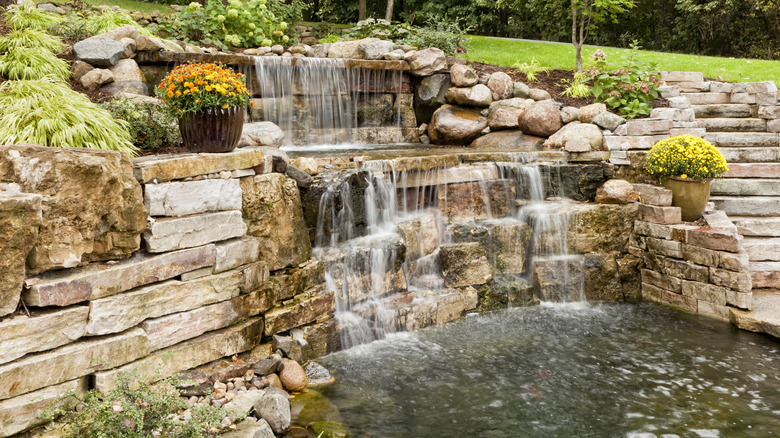
If your goal is to curate a peaceful experience in your backyard or garden, you'll love this '60s trend. Rock gardens, fountains, and small ponds introduced natural textures and soothing sounds to outdoor landscapes. They also reflected the growing influence of Japanese architecture and garden design in mid-century American homes. Inspired by principles of simplicity and harmony with nature, Japanese-influenced design became especially popular in California and other regions where indoor-outdoor living was becoming increasingly desirable.
There are several underrated water features that can give your yard a luxurious touch. If you want to start small, consider a standing element like a bubbling birdbath or fountain. For example, this Autodaya Cascading Ceramic Outdoor Water Fountain. If your space allows, you can also opt for a wall-mounted water feature like this XBrand Outdoor Wall Water Fountain. This trend also pairs beautifully with the lush landscaping trend that incorporates overgrown vines and broad-leaf plants.
A concealed garden at the front of the house
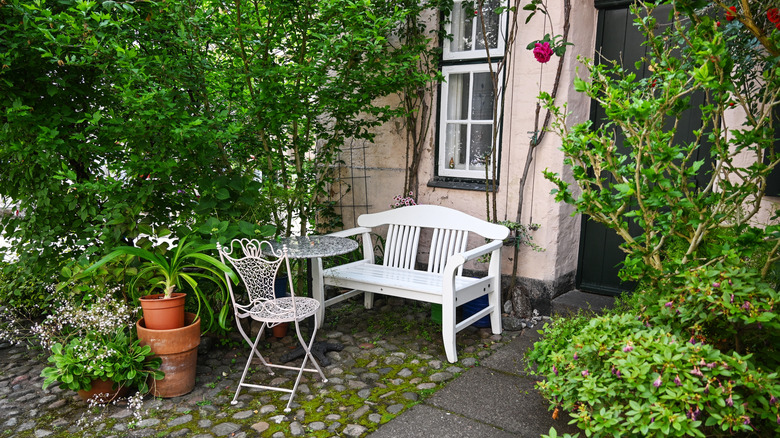
The '60s proved that backyards weren't the only place to gather with friends and family. Carefully curated front yards became an extension of the home, with intentional landscaping, privacy features, and spaces designed for everyday use. More than just a status symbol, the front yard became a functional part of the property, a reflection of the era's focus on resourcefulness and making the most of what you already had. A purely decorative, unused front lawn was no longer the only vision.
This approach is especially useful for making the most of your lot size. Not every home has a large backyard, but a thoughtfully designed front yard can provide additional space for relaxing, entertaining, and enjoying the outdoors. There are plenty of ways to create privacy and define the space, from incorporating the breeze block trend mentioned earlier to adding a privacy hedge or placing outdoor lounge furniture in the front yard.
Kidney-shaped swimming pools
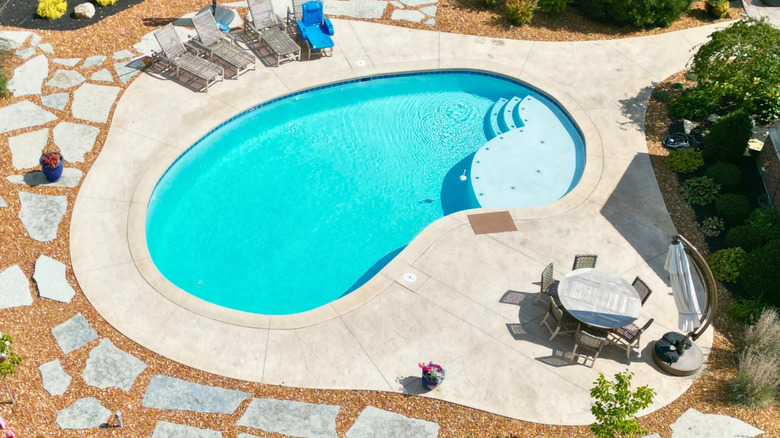
Kidney-shaped swimming pools were freeform pools with a gentle curve and abstract shape, resembling the look of a kidney bean. Popularized in the '50s and '60s, they became an iconic and memorable feature of mid-century modern backyards. Unlike the rigid geometric pools that came before them, kidney pools embraced a more natural shape that blended more organically with surrounding landscapes. Their sculptural curves reflected the era's love of fluid forms, creating spaces that felt both modern and relaxed.
If you're contemplating the perfect swimming pool shape, we think kidney-shaped pools deserve to have another day in the sun. Although clean, minimalist shapes have been taking over modern landscapes, we think there could be a shift that mimics interior trends of incorporating whimsy. You can also put a modern twist on a kidney pool by painting it a darker shade, rather than the retro turquoise blue. For more inspiration, check out these amazing swimming pool designs.