

Can Your Neighbors Give You Roaches?
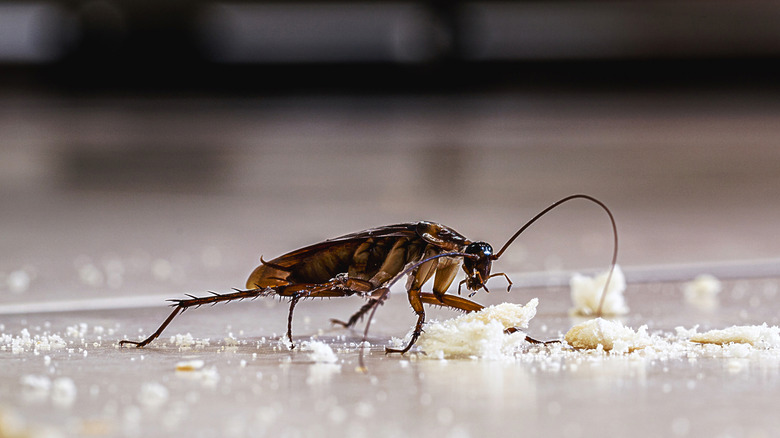
Few things trigger a sense of immediate panic quite like spotting a cockroach darting across your kitchen counter, especially when your home is spotlessly clean and you haven't left a single crumb behind. But while we like to think of our four walls as an impenetrable fortress, pest problems rarely respect property lines. To put it bluntly — yes, you can get roaches from your neighbors, whether you share a drywalled kitchen wall or just a backyard fence line. Knowing the common warning signs of a cockroach infestation can help you catch a neighbor's spillover before they take over your space.
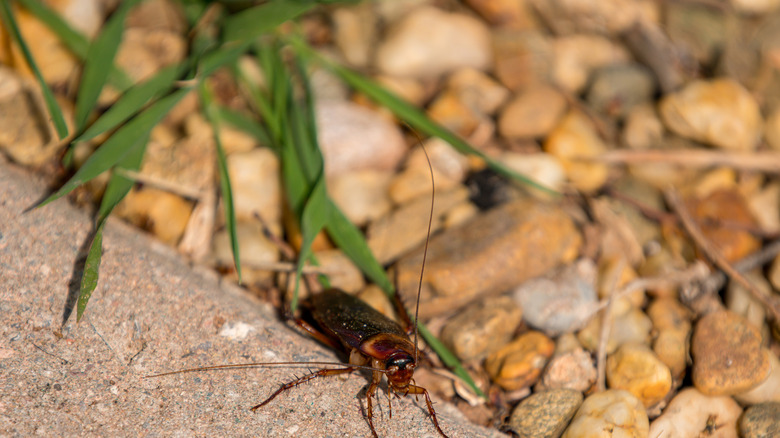
Because cockroaches are so flat and flexible, they can squeeze through surprisingly small gaps. If you live in an apartment, shared walls, ceilings, and utility lines can give pests a direct route right into your unit. They can travel through gaps around water and drain pipes inside wall cavities, making it easier to move between kitchens and bathrooms. Even in a standalone single-family home, outdoor roaches aren't stopped by property lines. They can cross over on shared fences, wander through damp mulch beds, or crawl across overhanging tree branches to reach your roof.
A common misconception is that roaches only target dirty homes, but even a pristine space can provide the water, shelter, and small amounts of food they need. In multifamily housing, an infestation in one unit can also become a building-wide problem if pests move through cracks, utility openings, or other connected spaces. The good news? You aren't helpless against an invasion from next door. Shielding your home comes down to a reliable defense strategy: exclusion, sanitation, and setting up proactive barriers.
How to protect your home against roaches
Your first line of defense against these unsightly invaders is physical exclusion — essentially locking the front door on potential pests. Grab appropriate sealant like a tube of silicone caulk or a can of expandable spray foam to seal around water lines, drain pipes, and gas connections beneath sinks and behind major appliances. Larger openings may need to be repaired or stuffed with steel wool before sealing since roaches can't chew through the metal fibers.
Next, focus on denying them basic survival needs. A cockroach can survive for about a month without food, but access to water is critical, making moisture control one of your best defenses. Tackle dripping faucets, sweating pipes, and slow under-sink leaks right away. Get into the habit of wiping down kitchen sinks, dish-drying racks, and bathroom counters before turning in for the night to eliminate any standing water during peak foraging hours. You'll also want to avoid these things if your home is attracting roaches; while unopened grocery packaging won't necessarily draw roaches in, flimsy cardboard and poorly sealed packaging won't reliably protect food from a hungry pest. Transfer pantry staples like cereal, grains, and flour into airtight glass or hard plastic containers, and never leave pet food bowls or water bowls sitting out overnight.
More ways to avoid roaches
To actively stop roaches from moving in — or evict the ones that already have — learning how to get rid of unwanted roaches starts with setting up strategic interior and exterior barriers. If you suspect pests are creeping in from next door, don't rely on bug bombs and aerosol sprays to solve the problem. Instead, reach for target-specific roach gel bait. Apply tiny dots in out-of-sight nooks, such as behind the fridge, under the sink, and along the back corners of your cabinets. If you have pets or young children who are curious, be sure to apply the gel deep into tight spaces that little hands and paws can't get into, or use enclosed, tamper-resistant bait stations instead.
Roaches feed on the bait and return to their harborage, where some bait products can also affect other roaches through secondary exposure. Similarly, classic aerosol contact sprays are fine for knocking down the occasional stray roach you spot on the floor, but they don't necessarily reach the insects and egg cases hidden in cracks and other sheltered areas.
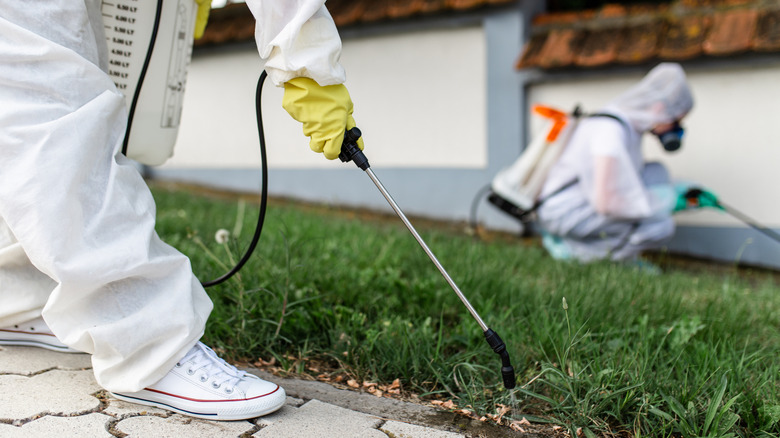
If you live in a standalone home, your best defense starts at the property line. Apply a perimeter insecticide around your foundation, windowsills, and exterior doorways to stop larger outdoor species, like American or Oriental cockroaches, dead in their tracks. Finally, give your landscaping a quick audit. You'll want to keep damp mulch beds, decaying leaf litter, and stacked firewood away from your foundation wall to eliminate prime hiding spots right up against your home's siding.