

Forget Wood: The Overlooked Fence Material Delivers Rustic Charm Without The Upkeep
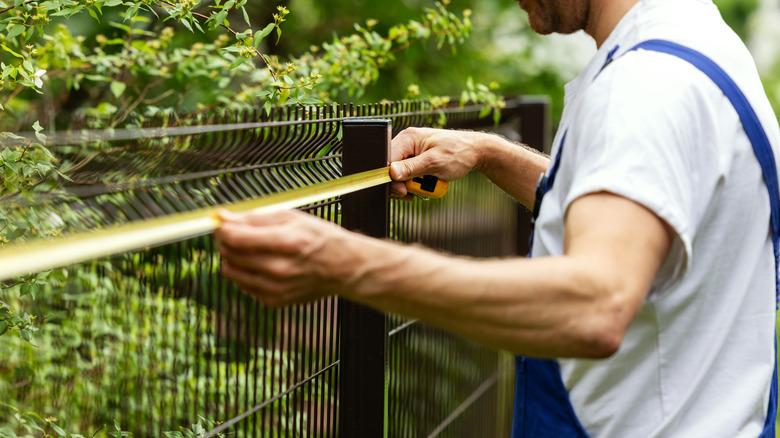
Wood is the classic choice for a fence, but it comes with a fairly predictable routine: staining, sealing, replacing boards, and eventually replacing the whole thing. If you like the warm, rustic look of wood but aren't interested in spending every few years maintaining it, there's another option worth considering: Corten steel, which is also known as weathering steel.
Corten is designed to develop a naturally rusty finish as it ages. Instead of treating rust as something to remove, this material makes it part of the look and part of what helps protect the steel. At first, a new Corten fence doesn't necessarily look like the rich, reddish-brown material you may have seen in landscaping photos. Once exposed to the elements, though, the surface begins to oxidize. Corten's alloying elements, including copper, chromium, and nickel, help the resulting layer of corrosion become dense and tightly bonded to the surface. With repeated cycles of getting wet and drying out, that protective layer can slow additional corrosion.
The color changes as the fence weathers, too. Depending on the climate, it can take months or even a year or two for the patina to settle into its new mix of orange, brown, and rust tones. That changing finish is part of the appeal. No two sections necessarily weather in exactly the same way, giving the fence a more natural, lived-in appearance.
Costs and considerations of Corten fencing for your home
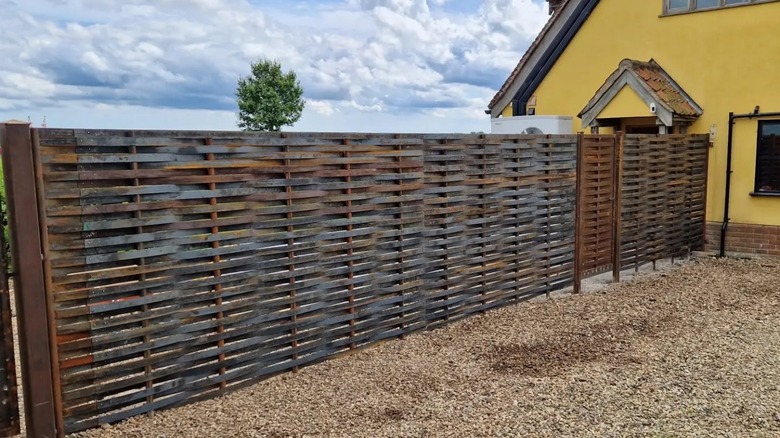
Corten isn't necessarily the budget-friendly choice. Its appeal is that you're paying more upfront for a material that doesn't require as much ongoing maintenance. Corten fencing can cost considerably more upfront than wood. Installed prices are often estimated around $75 to $150 per linear foot, compared with roughly $20 to $50 per linear foot for wood, although the actual price can vary significantly depending on the design, height, installation, location, and local labor costs. For a 100-foot fence, that could put Corten somewhere around $7,500 to $15,000 installed, compared with approximately $2,000 to $5,000 for wood.
There are a few downsides to Corten steel that you should consider. During the early weathering stages, rain can carry rusty runoff away, potentially staining concrete, pavers, and other surfaces. If you're installing Corten next to a patio or walkway, you should plan for drainage and runoff.
The other consideration is moisture. Corten needs cycles of getting wet and drying out for its patina to develop. If the steel stays constantly damp, this could slow the patina process, and corrosion might actually continue rather than stabilizing. That can be a concern in particularly wet locations, areas with poor drainage, or places exposed to salt air. It's also important not to bury the bottom of the panels directly in soil, where moisture can remain trapped against the steel, potentially causing structural damage over time.
How and where to use Corten steel fences in your home
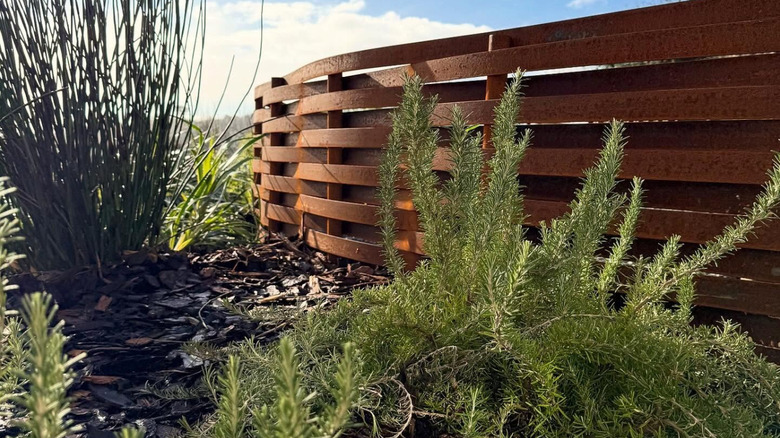
Corten steel comes in more than flat panels, too, such as laser-cut screens or with built-in planters. It can be easy to confuse the corrugated galvanized panels you see in DIY metal privacy fences with Corten steel. Galvanized metal fences cost less than Corten steel, but they don't weather as well.
As for where to use Corten fences, they really shine in landscapes featuring a lot of natural texture, with materials like gravel and ornamental grasses, as well as desert or xeriscape gardens. The fence's warm, rusty brown color looks great against lush green plants, but it also pairs surprisingly well with black window frames and other modern finishes. That mix of rustic and modern makes it a great option for homes with modern front yards.
One practical thing to keep in mind if considering a Corten fence for your home: Corten fencing generally isn't an easy DIY project for a beginner. The panels can be heavy, and the posts need to be properly anchored in concrete by a professional. Get a few quotes before committing, and if Corten ends up being more than you want to spend, there are plenty of other fence styles to consider.