

Why Your Electric Bill Is Still So High Even After Installing Solar Panels
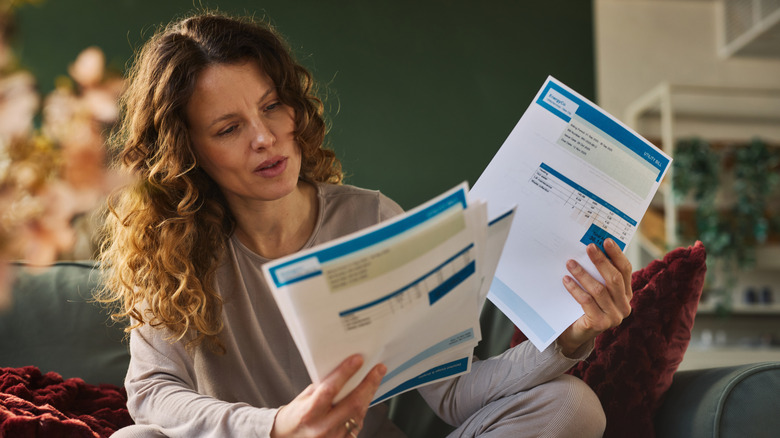
Imagine this: You spent $20,000 to install solar panels on your home and you watch them soak up the sun all day long, only to realize that your electric bill is still $120 a month? Sounds frustrating, right? It's more than enough to make people wonder if there is something wrong with their solar system or if their installer did a bad job. However, don't blame the panels or the installer just yet! There could be other reasons why your electric bill might still be high. Higher household energy use, rising electricity rates, fixed charges, time-of-use pricing, changes in your solar system's output — the list goes on and on.
Start with your household energy use. For instance, if you do not have enough solar panels to fully power your home, you will still be drawing energy from the power grid, which means you might not be seeing the significant drop in your electric bill that you expected. This is especially true if your power company uses time-of-use billing. In such billing systems, you are charged more for electricity during certain peak hours, and if your household uses a lot of power when those higher rates apply, your solar panels aren't going to make a huge difference.
To make matters even worse, many studies have found that people start using more electricity once they install solar panels. This, when combined with rising electricity rates, time-of-use pricing, and fixed monthly charges, can keep your electric bill high even after going solar. This is something you should definitely keep in mind if you are going to install solar panels on your rental property.
Decreased solar output can also keep electricity bills high
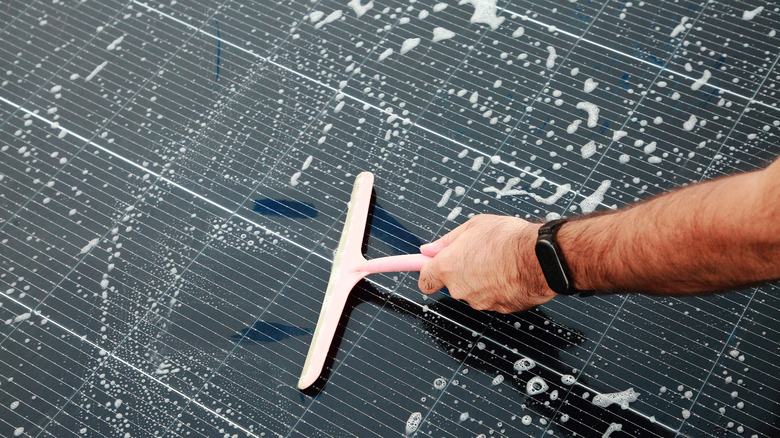
Sometimes, though, the problem really can be on the solar side of things. Dirt, dust, pollen, and bird droppings on solar panels can all decrease the amount of power they generate. When that happens, your home draws more electricity from the grid, which could leave you with a high bill despite having solar panels on your roof. So, make sure that you keep your solar panels clean, and if you have the space, avoid installing them on the roof. Roof-mounted solar panels have a lower efficiency than solar panels mounted on a stand on the ground.
In other words, if you want to maximize your electric bill savings, ground-mounted solar panels are the better choice. Other than that, keep a lookout. Look for any growing trees that might be casting shade over your solar panels or any new building or structure that might be blocking the sunlight from reaching the panels after they were installed. If, however, everything seems fine, get your inverter checked. Sometimes solar inverters can malfunction, too, which can result in a reduced output. This can increase the amount of electricity you pull from the grid and, thus, your bill.
Lastly, always compare your electricity bills from before and after installing solar panels. Plus, check your solar monitoring app, too, if you have one. It will give you an exact idea of how much electricity you bought from the grid, how much solar power you produced and exported, and how much you paid in fixed charges, taxes, and other fees. All of this information will help you pinpoint the cause behind a high electric bill even after installing solar panels.