

Not Just Propane Tanks: 5 Other Outdoor Items You Should Keep In The Shade
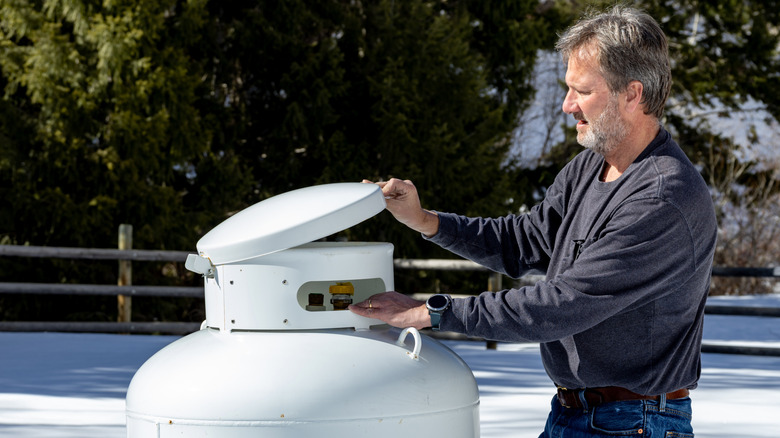
One problem that unites homeowners across boundaries is a lack of adequate storage. Once the internal closets and cabinets are full, you must start looking for places outside, including (but not limited to) the garage, patio, or deck. And while you're playing favorites about which items remain inside and which can go outdoors, it's equally important to pay attention to storage requirements — light exposure, particularly.
Take propane tanks, for instance. Most already know that they must be kept in a cool, shady place. While a short stint in direct sun isn't particularly harmful, any extended exposure risks raising the pressure inside the tank. This is because heat buildup beyond 120 degrees Fahrenheit can lead to leakage, and that can prove deadly if it goes unchecked. However, besides propane tanks, there are five other outdoor items, like garden hoses and power tools, that you can ill afford to leave out in blistering sunlight. The reasons are variable, of course — though they mostly relate to material or content breakdown, as you'll discover ahead.
PVC and rubber garden hoses deteriorate in direct sunlight
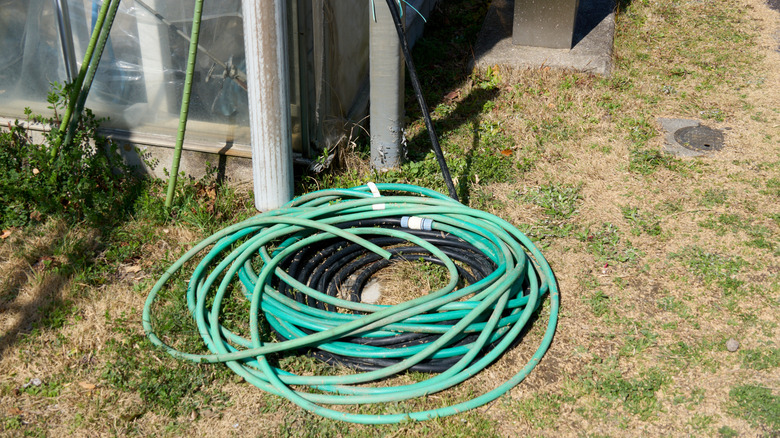
People routinely leave their garden hoses haphazardly coiled with water still dripping, out in their garden or on their patios. But this big storage mistake is making your hose's lifespan shorter. A Purdue University publication notes that direct exposure to sunlight and ozone can degrade plastic piping, whether made of PVC or EVA. Over time, they grow discolored and hard, losing their flexibility and elasticity, making watering harder. They may eventually become so brittle that they can easily rupture while you're merrily irrigating your yard.
In fact, despite being lined with UV protection, plastic hoses still struggle to last beyond a few years. This damage is worse if they're left on hardscape or stone where they must also endure the reflected heat. Rubber hoses, similarly, along with nozzles, fail sooner if kept in sunlit areas day in and out. Another cause of concern arises if you fail to drain the hose fully. During the summer months, water can reach scalding temperatures. This is not great for your plants or the pipe, as the pressure may build up to the point that it warps or cracks. For this reason, your garden hoses are best kept in shade, coiled up after draining over a reel or a hook in the garage.
Don't allow soil bags to bake in the sun
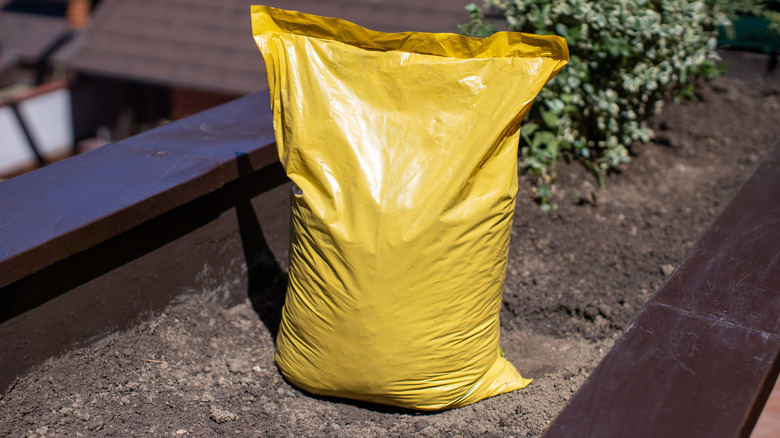
Whether you've got sealed soil bags leftover from the previous season or are hopeful of reusing and storing old potting soil so it doesn't go to waste, be sure to keep them in a dry, shaded area. Exposure to direct sunlight can reduce the bag material, often woven from polypropylene, to tatters. Ants or other critters may use these gaps or openings to enter and build a temporary home, posing problems at a later date when you're potting up new plants. Not to mention, it can allow moisture to set in and become a breeding habitat for mold.
Besides, in sun-exposed bags, soil may overheat and dry out completely. If temperatures are high enough, the good bacteria may be completely destroyed, lowering the soil's nutritional content and overall quality. Another possible, albeit extremely rare, concern is that soil may self-combust. Since potting soils contain a higher proportion of organic, flammable ingredients like peat moss, vermiculite, and shredded bark, they may catch fire if allowed to dry out excessively. If they're on a sunny deck where you routinely burn candles, smoke, or work your grill, the risk of a surprise combustion increases.
Gardening tools last longer in shade
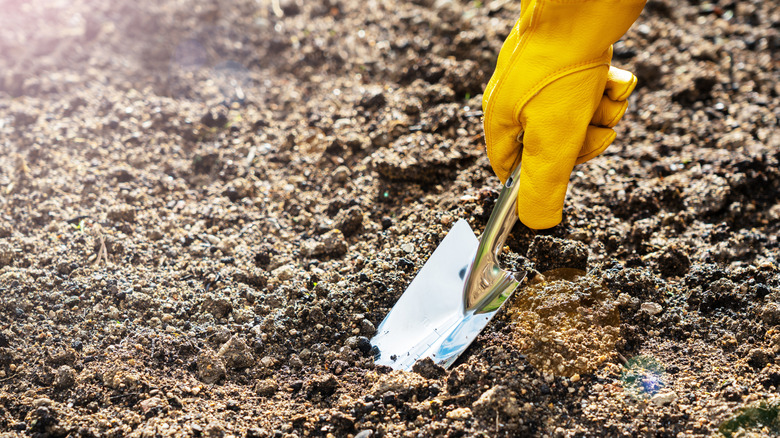
Lots of garden tools today, like hole diggers, shovels, hoes, and rakes, include fiberglass handles — and for good reason. They're lightweight and can easily absorb shock, ensuring you don't overextend yourself through all the dirt digging and heaping. But once you've accomplished your job, you must keep them out of direct sunlight, or they'll fade out fast. Fiberglass is composed of resinous glass, which weakens and turns crumbly from extended UV exposure. In some cases, it may ultimately break.
Similar issues crop up for wood-handled garden tools. They may dry out in the sun and develop cracks, splinters, or ruptures. As you can imagine, working with such roughened tools is highly inconvenient. Worse, they may pose serious hazards if the handle comes apart from the tool. For these reasons, it's advised to leave gardening tools in the shade after wiping them clean of all dirt and debris. Or, at the very least, place them inside UV-protective covers to minimize sun damage.
Never leave cordless power tools in the sun
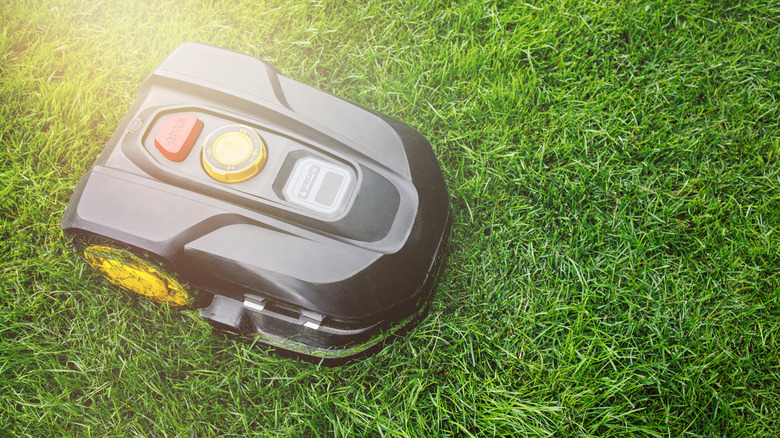
One of the easy ways to extend the life of your power tools is to keep them outside of direct UV exposure. The reason? The lithium-ion batteries in them are sensitive to heat. Batteries start to degrade if they're left toasting in temperatures upwards of 80 degrees Fahrenheit, with the damage being way worse when the mercury hits triple digits.
Although your power tools likely won't die on you immediately, you'll see signs of their performance flagging. Expect cordless tools to run for shorter durations or not recharge fully or within the expected time. You may also notice damage on their rubber or plastic grips. There is also a serious risk that lithium-ion batteries can catch fire if left in the hot sun. So, the next time you're done whipping around your hedge clippers, leaf blowers, or electric trimmers, make sure to put them away in a shaded area where temperatures remain between 68 and 77 degrees Fahrenheit. It could be a dedicated closet or the basement.
Bird food isn't meant to be stored outside
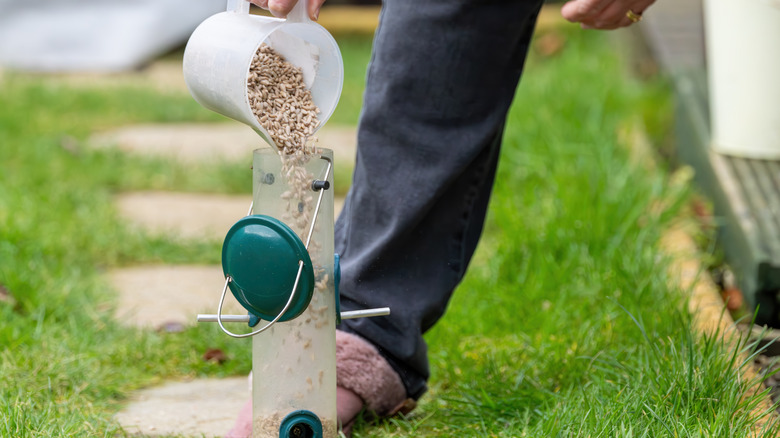
Undoubtedly, it's convenient to store bags of bird food outside in the sun, perhaps on your deck, patio, balcony, or underneath the window, right where your bird feeders are within arm's length. Sadly, bird food, including seeds and suet, is sensitive to heat — reflected or direct from the source — and spoils easily. Aside from the danger of UV rays breaking down the bag, it's also possible for the seeds to lose their nutritional value once it's past 80 degrees Fahrenheit. And if they further become exposed to moisture or humidity, bird food may even turn moldy.
This may prove extremely dangerous for birds, as some molds, in turn, produce deadly aflatoxins. Hence, it's no surprise that it's usually advised to change out the food more frequently when you're feeding birds in the summer. So, to offer the visiting birds a safe experience, make the extra effort to store bird food back in dry shade. You may have to go a step further for items like nyjer seeds and suet, because they require cooler conditions.