

How To Deal With These Nasty Lawn Weeds In September
Getting rid of weeds in your garden is never a fun task, but during the late summer months, two particularly stubborn plants might become apparent in your garden: crabgrass and ragweed. As the weather slowly cools and fall begins to fade in, these green pests are at their peak, sprouting seedheads and preparing to spread even further across your lawn. That makes September a valuable time to remove existing plants before they have a chance to contribute to next year's weed problem. If you've noticed these unwanted invaders taking over your turf, hand-pulling and herbicides are two solid management options.
While there are several weeds that are actually good to grow, neither crabgrass nor ragweed make the cut. Crabgrass is highly invasive, very difficult to kill, and fantastic at stealing resources from the turf you actually want to keep alive. Ragweed releases pollen that significantly triggers sniffles across a radius of up to 400 miles.
It's safe to say these plants have earned their bad reputations for a reason, and if you want to do your part to stop the problem, September is the time to take action and tackle the weeds in your lawn. Even if you're not all that concerned about maintaining perfect, lush turf, it's still worth taking care of the issue for the health of you, your neighbors, and the other plants in the surrounding area.
How to get rid of crabgrass and ragweed
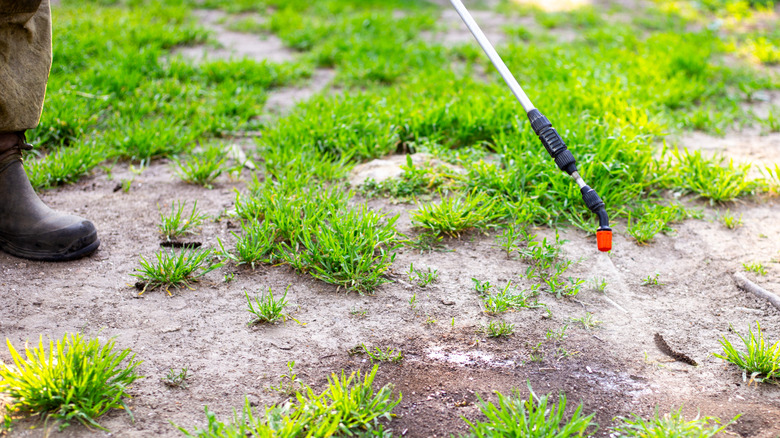
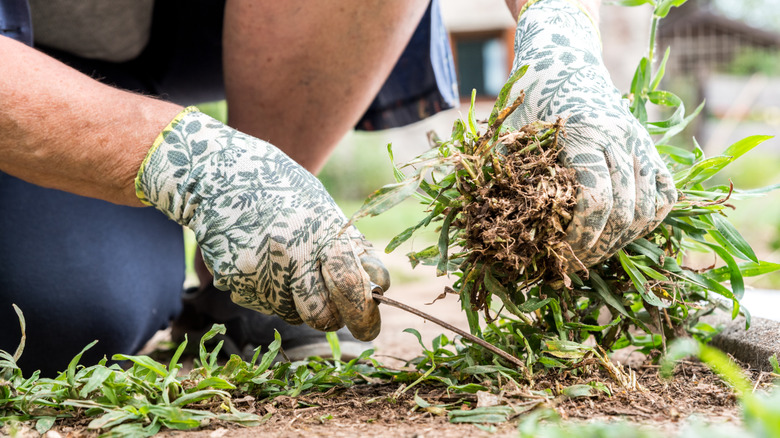
There are a few different ways you can kill these annoying weeds in your lawn, but your options are slightly limited by the time September rolls around. If you're only dealing with a few patches of crabgrass, pulling it up by hand is an effective, efficient treatment that doesn't rely on harsh chemicals. Wet the ground or wait until after a heavy rain to pull, and dispose of the plant material rather than leaving it anywhere outdoors. You can also pour boiling water on the patches, spray them with herbicidal vinegar, or treat the area with a post-emergent herbicide. Use caution when using boiling water and vinegar, as both can damage desirable grass and nearby plants. Follow the label directions carefully if you choose an herbicide. Because the plant is already well-established by September, you should skip pre-emergent options.
Ragweed can be pulled by hand, but if you're dealing with a large area that has yet to flower, mowing can also help to reduce the problem — just be aware that it's possible for plants to re-sprout. If you're allergic, make sure to protect yourself with gloves, a mask, and full-coverage clothing to reduce your exposure. This weed has become fairly resistant to common herbicides, so pulling is probably your best strategy here, but 2,4-D Amine is the most frequently recommended chemical treatment.
Once the weeds are gone, your battle isn't over yet. To keep them from coming back, make sure your lawn stays healthy. Mowing at an appropriate height, aerating the soil, and maintaining a proper soil pH can bolster your grass's health. As a result, there will be fewer bare patches and less opportunity for crabgrass, ragweed, and other pesky plants to stake their claim.