

How To Clean A Dirty Screwdriver (& Why You Shouldn't Ignore This Chore)
We may receive a commission on purchases made from links.
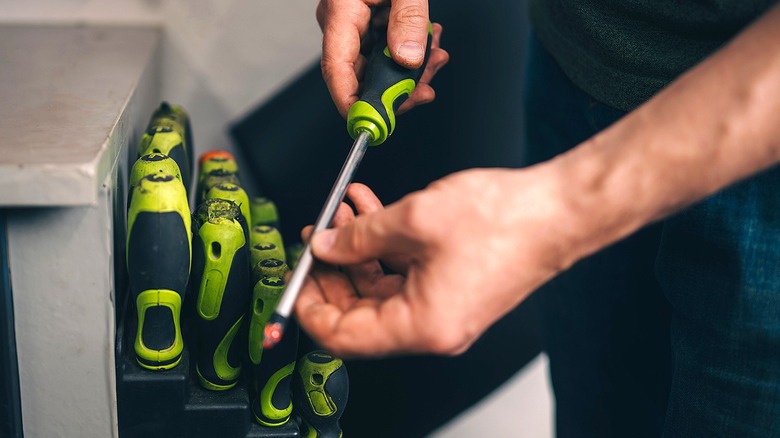
We've all pulled a trusty screwdriver out of a messy toolbox only to find it covered in sawdust, dried grease, or mystery garage gunk. Screwdrivers are among the most essential tools every homeowner should have, so keeping them in working order is key. It's tempting to just wipe a grimy shaft on your jeans and get to work, but working with dirty tools usually leads to a headache before you even finish the first screw. A dirty driver isn't just an eyesore; it can be the reason your hand slips, your screws strip, and your project ends up with accidental scratches.
How you clean them comes down to what is actually on the metal and handle. For a tool that's just collected a little household dust, then a basic wipe down is plenty. But if you're dealing with sticky automotive grease jammed into the grip or drive tip, you'll need to break out a proper degreaser. And if damp garage air has left your toolbox filled with rusty and greasy tools, a quick vinegar soak or a scrub with fine steel wool should bring the bare metal right back to life.
Skipping tool maintenance might save a few minutes today, but it often costs you later. When grit and grease build up in a screwdriver tip's grooves, the tool can't grip the screw head properly. That causes the driver to slip (an issue known as "cam-out"), which rounds off the screw and ruins the tip of your tool in seconds. A slippery, oily handle also robs you of leverage, meaning you have to squeeze twice as hard just to keep a grip (hello, hand cramps and scraped knuckles). Plus, carrying a grease-covered driver over to fresh drywall, painted trim, or a new light fixture is a fast track to smudges that are a pain to clean up later.
How to get your screwdriver shiny and new
Whether you're working with Phillips, flathead, or specialized bits, maintaining different types of screwdrivers that are good for any DIY project keeps them performing at their best. For quick cleanup after your everyday projects, a simple, but thorough, wiping of the tool(s) should be enough.
Clean the screwdriver handle and shaft with a microfiber cloth dampened with warm water and a drop of dish soap. Pay extra attention to the tip, and if needed, use an old toothbrush or small nylon brush to dig out any sawdust or grit packed into the grooves so it can fit snug against screw heads again. Just be sure to dry the tool off with a clean towel right away. Leaving a wet screwdriver to air-dry is a fast track to surface rust.
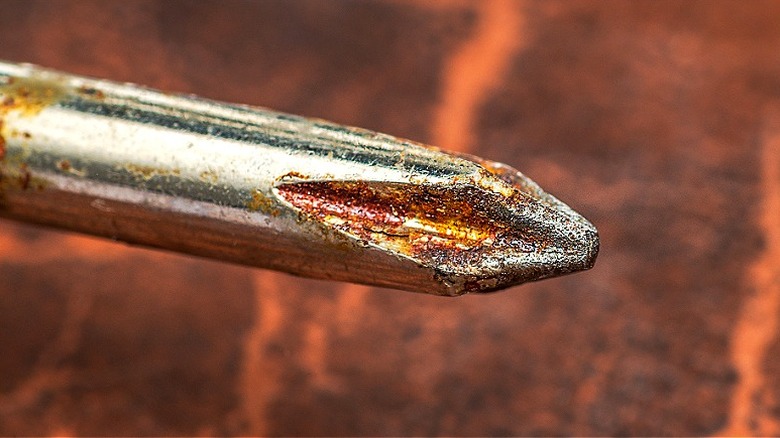
If you're dealing with actual rust spots, however, warm soapy water isn't going to cut it. Submerge just the steel shaft in white vinegar or a dedicated rust remover for an hour or two, instead. The solution breaks down the top layer of corrosion so you can easily scrub it away with fine steel wool or a brass wire brush. Once the metal looks clean, rinse it with a baking soda mixture (of about 1 tablespoon per 1 cup of water) to neutralize the acid, then dry it completely. Finish up by wiping down the bare metal with a little 3-in-One oil (Amazon, $7.99) or paste wax to block out moisture and keep the rust from creeping back.
For the screwdrivers that are extra dirty
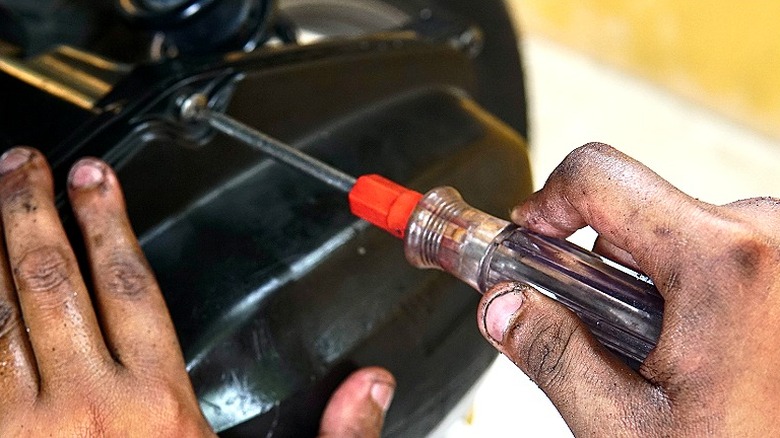
Screwdrivers that are used for oil changes, lawnmower tune-ups, or messy shop jobs usually need a dedicated degreasing to cut through caked-on gunk. In such cases, set the driver in a small jar of household degreaser or warm soapy water, making sure to submerge just the steel shaft and the tip. Keep rubberized or soft-grip handles out of harsh chemicals like acetone or brake cleaner, as they'll quickly melt, turn sticky, or strip the rubber right off the plastic handle.
Once the grease loosens up, scrub the tip and textured handle with a stiff nylon brush. A wooden toothpick is your best friend here for picking packed grime out of tight multi-bit slots or ratcheting gears without scratching the metal.
Rinse off any remaining soap or degreaser with fresh water, then dry the tool top-to-bottom with a shop towel to prevent instant flash rust. To keep moisture at bay in the garage, rub a light coat of 3-in-One oil, mineral oil, or WD-40 Corrosion Inhibitor onto the steel shaft. Just be sure to buff off any extra oil so the handle isn't slick the next time you go to use it.
If you're working with magnetic tips, tiny metal shavings love to stick around even after scrubbing. For these, wrap a loop of painter's tape around the tip, press down, and peel it away — the metal bits will come right off. Finally, hang your clean, conditioned tools on a pegboard or tuck them into a dry toolbox drawer off the damp concrete floor to keep them looking and working like new.