

You Don't Need Wood: The Natural, Durable Material To Use For Raised Garden Beds
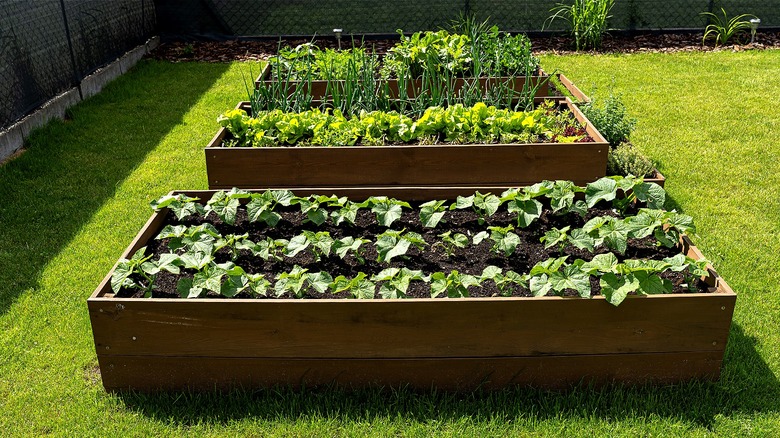
If you're ready to build a raised garden bed that should outlast every wooden board and metal panel on the market, you'll want to check out a material that's been holding back soil since before either of those existed: stone. Stone stands up to weather, moisture, and insects, which can't be said for most types of wood, with its tendency to rot and its vulnerability to termites. Further, with stone, you'll have no worries about chemicals leaching into the soil, as you might have with pressure-treated wood and galvanized steel. That means stone is safe for growing vegetables.
But stone isn't just good for your raised bed, but also for the planet. It's a sustainable material that you may be able to source locally — maybe even on your own property. And if you're looking for a low-maintenance material, upkeep for stone is about as low as you can get. Dare we say a stone raised bed will last forever? Last time we looked, the Pyramids of Egypt were still standing.
Pros and cons of stone raised garden beds
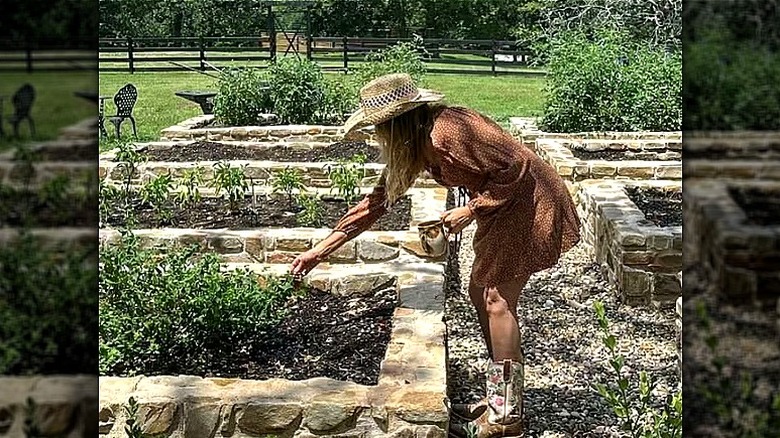
As said, stone can often be sourced locally, but you may be able to visit venues that allow you to collect rocks at no cost, too. Best of all is the amazing variety of textures, sizes, and shapes you can find in stone, allowing you to match or complement aspects of your home or garden.
Or, alternatively, you can build your stone raised bed first and then use the same stone for other projects in your landscape, like a beautiful rock garden, border, or water feature (check out stone landscaping ideas that require little upkeep and add charm to your outdoor space). You'll also find an appealing selection of stone, such as flagstone or cobblestone, if you seek to purchase stones rather than gather them.
Stone raised beds do come with a few downsides. For one, unless you source them for free, they're more expensive than most common materials you can use for DIY raised garden beds. Further, to the cost of the stone, you may need to add in delivery or shipping costs, plus professional installation, if you choose that route. The expense is somewhat mitigated by the longevity of a stone raised bed, however, and the fact that you won't likely need to replace or even maintain it.
Working with stone, though, is a weighty task that can be arduous. And, because the walls of a stone raised bed are thicker than those of beds made of other materials, the bed will take up more garden space and may not be the best choice for those with small yards.
Basics of building a stone raised bed
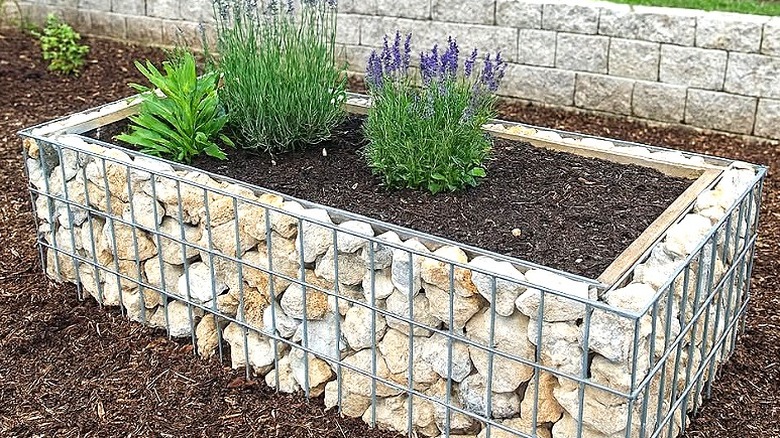
Stone raised beds can be built in several ways: by stacking the stone, using mortar to hold stones together, or choosing gabions, which are metal cages that hold the stones in place (pictured above). Plan your project carefully as it'll be difficult to change or relocate once complete and burdensome and expensive if you fail to order enough stone.
Of the three building methods, only the gabion approach likely doesn't need a foundation, though raised beds with walls just a few feet high can also function without a foundational base. As for walls of stacked stone or a raised bed made of mortared stone, you'll want to use compacted gravel for the foundation, added layer by layer. Start your raised bed's foundation at or below the frost line (or the average depth that moisture in the ground will freeze) to keep it solid over time, and keep the layers level as you add them.
Building a stone raised bed is essentially a masonry task, teetering on the edge of DIY projects and leaning into those that may require a professional installer. Kits for building a stone raised bed are available and may be a good compromise between doing it yourself and hiring a pro.