

Not Traditional Landscape Fabric: The Recycled Solution For Gravel Driveways
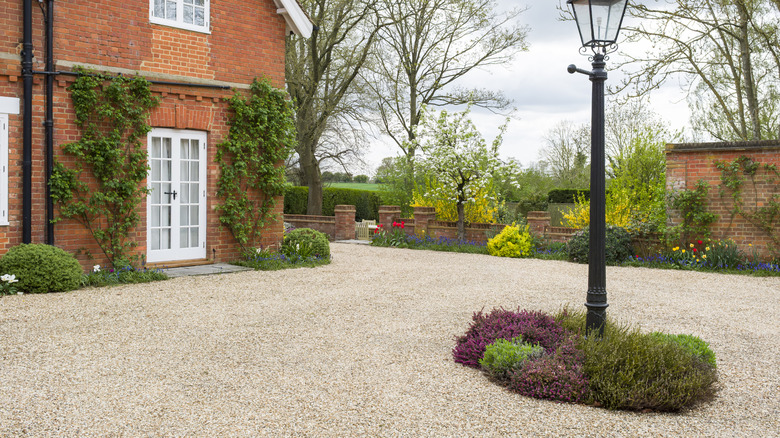
From my work as a professional gardener, I know that it can be downright frustrating dealing with the never-ending weeds that pop up in gravel driveways. Gravel creates a surface with good drainage, so tiny weed seeds can sprout there with even a small amount of soil. Using landscaping fabric as a weed barrier is a common solution, but in my experience, this tends to compound the problem and allow some weeds to proliferate. Some thrifty DIYers use recycled newspapers to prevent weed growth in gravel instead. But there's another recycled material you can use for this purpose: old carpeting.
Placing old rugs beneath your gravel driveway creates a thick and long-lasting barrier. The density of the material will not only block weeds more effectively than landscaping fabric, but can also lend some stability and weight if your driveway is on an uneven area. Some gardeners use old carpet beneath mulch for garden paths, and the same principle applies here: It creates a sturdy base that helps prevent weed growth.
You may need to cut the carpet to fit the area, so you'll need a proper tool to do this safely, like a carpet loop pile cutter. The good news is you can fit odd pieces together like a jigsaw puzzle and even overlap them. You'll need a good amount of gravel to cover the carpet, probably at least a 2- to 3-inch layer. Keep in mind that crushed, angular rocks create the best gravel for driveways. Rounded gravel (like pea gravel) is not recommended as it can be slippery and is easily displaced by car or foot traffic and other factors.
Pros and cons of using carpet as a driveway weed barrier
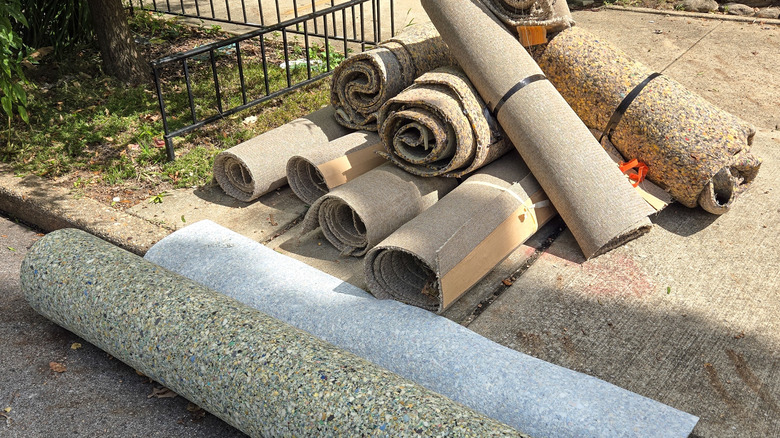
The pros of using recycled carpeting instead of landscaping fabric for this purpose are considerable. It's free if you're getting rid of old carpeting or you find some that someone else is throwing away. When you consider the cost of landscaping fabric and gravel, this is a helpful way to save some money on your project. Another pro is that you won't have to pay to have old carpet hauled away (some municipalities won't pick it up with curbside trash or recycling).
One factor to keep in mind is that, like heavy plastic and some landscaping fabrics, old carpet may not provide drainage beneath the gravel layer. Gravel itself has excellent drainage, but in the event of heavy snow or rainfall, the excess water could be slower to drain away because the carpet will block the soil beneath. When designing your driveway, add some drainage trenches or ditches to help prevent flooding or erosion. Another trick is installing some driveway rumble strips to keep your gravel driveway stable.
Additionally, carpets with synthetic fibers or backing will not decompose in the same way as natural rugs. The chemicals found in synthetic carpeting may also eventually leach into the soil if left over the long term. Old cotton rugs or rugs made of wool or silk are more environmentally friendly. If you eventually decide to redesign your yard or your driveway, you'll probably want to remove whatever remains of the old carpeting beneath the gravel and dispose of it properly.