

Is WD-40 Still Flammable After It Dries?
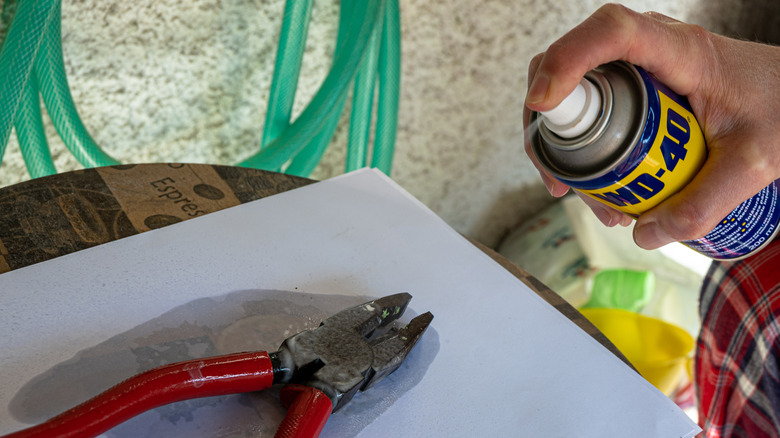
WD-40 is practically a household staple. It's trusted to silence squeaky door hinges, free up rusted bolts, and untangle stubborn zippers. There are plenty of genius tips for using WD-40 at home, but when it comes to fire safety, most DIYers know the cardinal rule: Never spray it anywhere near open flames, sparks, or pilot lights. The aerosol mist is loaded with volatile propellants and solvents that ignite in an instant. The real mystery is what happens after the mist settles and the can goes back on the shelf. Does that leftover slick coating pose the same fire hazard, or does the danger evaporate along with the spray? If you are planning a quick fix anywhere near a stove, space heater, or electrical outlet, knowing how that petroleum residue behaves once dry is key to keeping your home safe.
Here is the good news: dried WD-40 isn't going to burst into flames from a stray spark. Once you spray it, the hyper-flammable parts of its mixture quickly dissipate. What stays behind is a thin film of mineral oil — and while it's still combustible, its flammability drops significantly. Liquid WD-40 has a relatively low flash point of around 138 degrees Fahrenheit, but the dry oil residue must reach significantly higher and sustained temperatures before its vapors can ignite. That means a minor spark or brief burst of heat won't trigger a sudden fireball on a dried surface. But it will still smoke, scorch, and eventually burn just like any standard oil if you aren't careful. It loses the explosive flare-up risk of the aerosol spray, but it still requires caution around heavy heat sources.
How to keep your home safe with WD-40
Even after the spray dries, exposing a WD-40-treated surface to intense heat can still backfire. The petroleum film that stays behind acts just like any light motor or machine oil. Give it enough sustained heat, and it will hit its smoke point, filling the room with a chemical stench and irritating fumes. It is surprisingly easy to hit a household hot spot without realizing it, which is why there are key places that WD-40 should not be used.
Take a squeaky oven door hinge or warming drawer track. A quick spritz seems like a no-brainer, but as the oven preheats, that lingering oil bakes and breaks down, creating foul-smelling smoke that ruins your kitchen air and can even taint the taste of your dinner. The same goes for outdoor grills. Spraying WD-40 near the control knobs or igniter housing leaves an oil film right beside a live flame. Once the grill fires up, that heat scorches and carbonizes the residue, which can gum up internal valve parts over time. These are just a few of the many mistakes everyone makes when using WD-40 around the home.
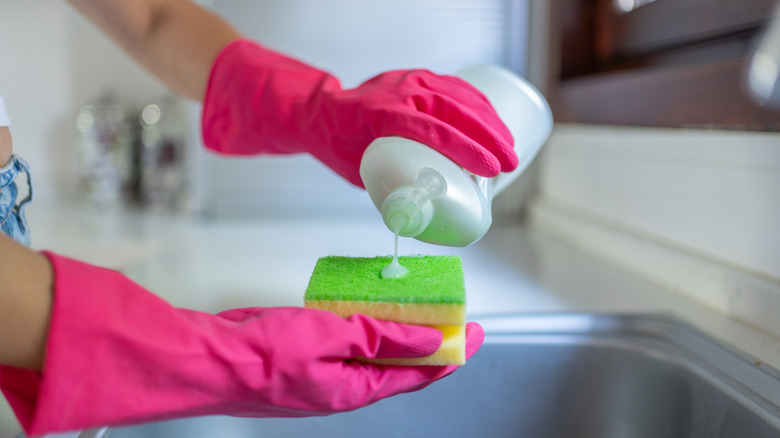
Lawnmowers and outdoor power tools are another common trap. Using WD-40 to loosen a stiff throttle cable or blade housing right before yard work creates a mess once the engine gets hot. Mower engines and mufflers easily climb past 200 degrees, turning any overspray into a cloud of thick smoke that bakes into a tough, sticky varnish on metal parts. If you have already applied WD-40 near a hot zone, don't turn on the heat. Give the area a good scrub with a grease-cutting dish soap or a dedicated degreaser and save yourself from unwanted smoke, stubborn residue, and potential safety risks.