

Can You Have Too Many Earthworms In Your Garden?
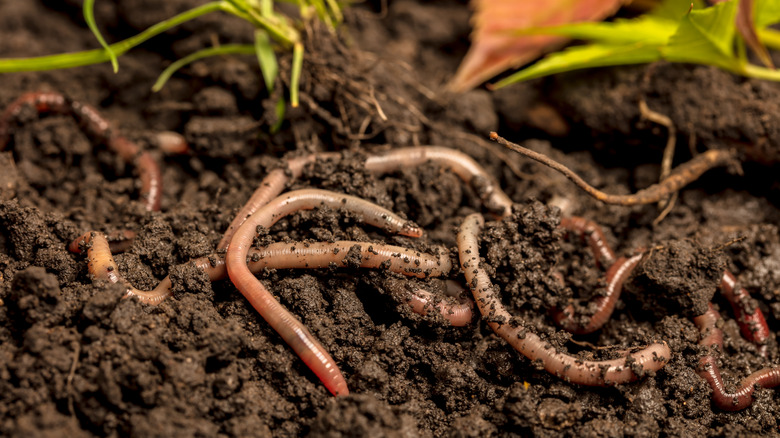
If you make your own compost and you add lots of organic matter as well as things like coffee grounds, you'll probably find that earthworms have made their way into your compost bin or pile. When you add that nutrient-rich compost to your garden, you'll end up depositing quite a few of those slithering friends into your beds. This might have you wondering whether you can have too many earthworms in your garden. The answer is no. Earthworms are migratory and will only hang around if the environment is ideal for their survival. After all, you didn't add them to your compost; they just made their way there because the conditions were perfect for them!
There are actually a few different types of worms you can find in your garden, but common earthworms are voracious consumers of organic matter, including all types of decaying materials and even fungi. As they move around your garden beds, they tunnel through the ground and make burrows. All this activity helps to improve the structure of the soil, opening up plenty of spaces for air and water. Of course, this, in turn, provides a beneficial environment for your plant roots to grow and expand. After the earthworms consume all that organic matter, they deposit it as rich castings that are abundant in vital plant nutrients such as nitrogen, potassium, and other types of minerals. Better yet, these castings are in a form that plants can readily use as fertilizer, which is why you'll want to know how to use worm castings to help your garden thrive, especially if you have a worm bin.
How to create a garden environment that attracts earthworms
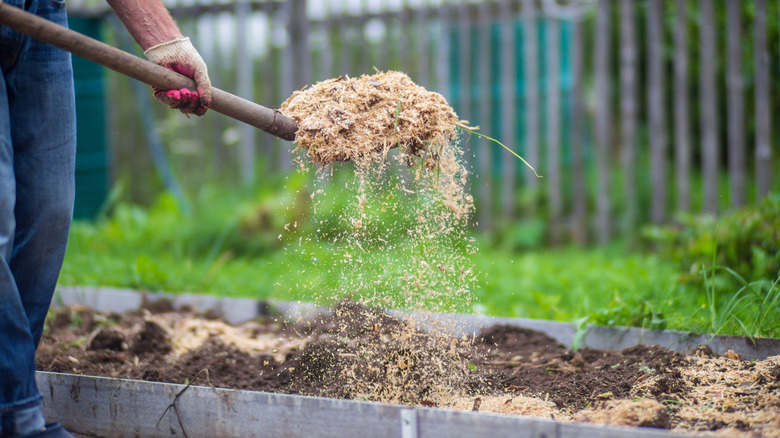
Now that you know that you can't really have too many earthworms in your garden because the amount of food available will determine the size of the population, you may want to consider how you could create the kind of environment that would attract them. The most beneficial thing you can do is add plenty of organic matter like compost, leaf litter, and even aged grass clippings to your garden beds. These materials can act as a mulch on top of the soil and have the added benefit of reducing weed growth. They'll also provide plenty of food for earthworms to turn into castings. You can even support the beneficial earthworms in your garden with teabags.
You also want to refrain from tilling or disturbing the soil too much, as this damages the worms' burrows. Keep in mind, too, that earthworms prefer the pH of the soil to be neutral or just slightly acidic, so you may want to incorporate some lime if yours is too alkaline. If possible, avoid using pesticides in your garden because these can be harmful to earthworms.
As a final note, even though you can't have too many earthworms in your garden, they can pose a problem in native forests because they can effectively alter the ecosystem. They feast on the organic layer that covers the forest floor and is responsible for sustaining the trees and shrubs that grow there. Without this layer of decaying matter, the native plants will start to decline, and more invasive and non-native species may take their place. That's why anglers are encouraged to take their leftover worms home rather than leave them behind.