

What To Do With Your Air Conditioners During September To Prepare For Fall
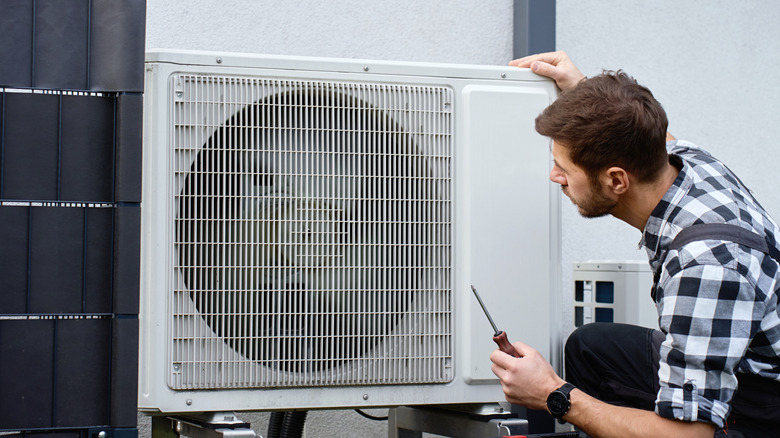
Summer is the most stressful time of the year for your air conditioner. High temperatures and humidity can put a ton of strain on the unit, and by the time the weather starts to cool down a bit in September, you might find that your HVAC system is in major need of a spa day. Regular maintenance is one of the best ways to prolong the life of your HVAC system, and after such an active season, there's no better time to get the job done than September. Simple tasks like cleaning the coils, removing any built up debris, and replacing the air filters can help to give the unit a refresh, while insulating exposed pipes, and adding a barrier against ice will ensure everything is protected and working before the temperature truly dips.
While many of these steps — especially when it comes to cleaning — are recommended across the board, the severity of your fall and winter season will determine how much you really need to do to protect your AC unit ahead of the seasonal change. In northern areas that see heavy snowfall and near-constant ice, it's common to completely shut your air conditioner off until spring rolls back around, but in states further south, September still has quite a few sweltering days. Cater your care to your area, and if in doubt, ask around to see what kind of protections your neighbors have opted for year after year.
How to clean your AC in September
Regardless of where you live, an end-of-summer clean is a great way to keep your AC in good shape. Begin by removing any debris around your outdoor condenser and swapping out your indoor air filters — a dirty filter can make your seasonal allergies so much worse, especially during peak weed pollen season. These basic first few tasks can be done on any day, but for these next steps, you'll want to choose a time when it's nice and sunny outside.
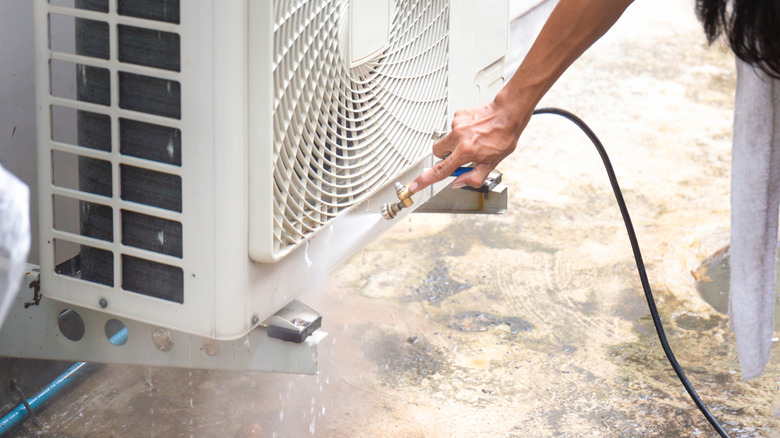
Once you're ready to do a really deep clean, shut off the power to your AC unit and vacuum or wipe down the exterior. Remove the cover to expose the coils, and give them a good vacuum, too. You'll want to be careful here — try not to bump the fins, as they can easily be damaged or bent out of shape. Apply some coil-safe cleaner, let it sit, and finish off with a good rinse to remove any remaining gunk. It's okay to hose down an AC unit, but you should use a regular garden hose. It might be tempting to bring out the power washer, but the pressure can wreak havoc on the delicate fins.
From there, all that's left to do is let your unit dry in the sun. Once everything is no longer soaked, you can place the cover back on and restore power to the unit. If you chose a dry, sunny day, this shouldn't take long, but you might have to go without AC for a bit if you misread the forecast and had to face off against a late summer shower.
How to prep your unit for fall in colder areas
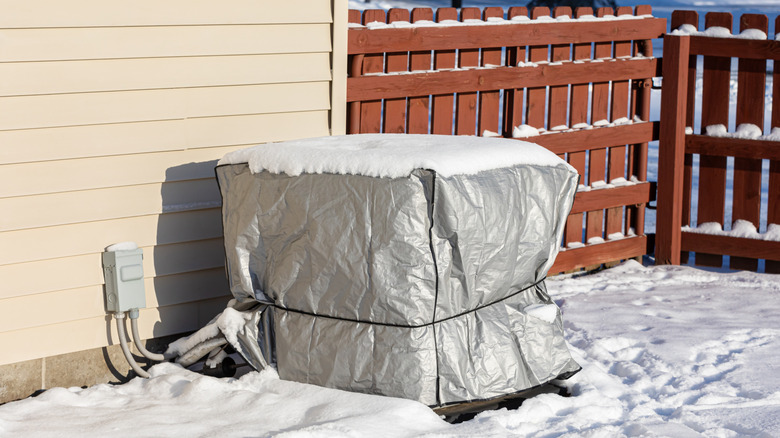
In especially cold or snowy areas, now's the time to put your AC to rest for the off-season. If you know you're not going to need to use your cooling system from September onward, shut off the power to the unit to minimize any chance of damage.
You'll also want to take steps to protect the unit from falling ice, snow, or freezing temperatures. Add insulation to prevent your pipes from freezing — now's also a good time to tackle any other exposed lines, too — and place a vented cover over your unit. If you don't have an AC cover on hand, you can also apply car wax to your condenser to minimize the risk of rusting, or place a piece of plywood on top of the unit as a barrier against falling ice. Non-breathable covers might look nice, but they can trap moisture for months on end. If you don't want to face off against mold once you power your unit back up in the spring, opt for solutions that provide adequate airflow.