

The Fast-Growing Shrub With Beautiful Bold Flowers To Plant Before August Is Over
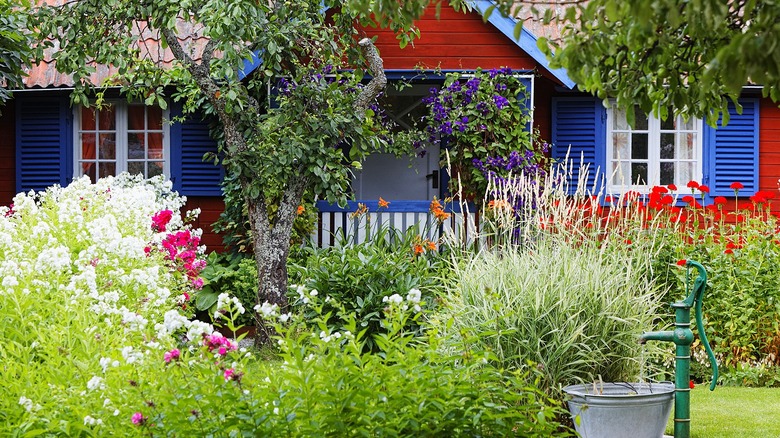
Fast-growing flowering shrubs can prove a valuable part of your landscaping plan, and for some, August isn't too late to plant them. One such shrub is Himalayan honeysuckle (Leycesteria formosa). When planted at the end of summer, the Himalayan honeysuckle tends to grow quickly, giving it a noticeable presence before winter hits. It remains in bloom from late summer though much of autumn, giving you that desired splash of color in the fall.
This shrub features dark green leaves that are offset by small white flowers, purple-black berries, and purple bracts, creating an interesting look that few other plants can match. What's more, the plant can draw in hummingbirds, bees, and butterflies to your outdoor space. Finding garden shrubs that flower and bloom in the fall and late summer can benefit your landscaping when you primarily have plants that flourish during the more common spring and early summer blooming seasons.
Himalayan honeysuckle is a deciduous shrub. By planting it in August, you'll give it a few months to establish itself before it loses its leaves in preparation for the winter. Additionally, the soil remains warm enough in August for strong root development. This is one of the big advantages of planting shrubs in the fall instead of spring.
Growing Himalayan honeysuckle in your yard
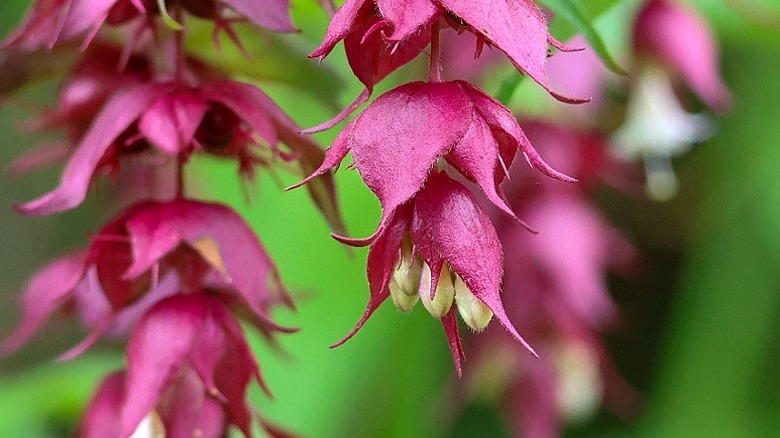
The Himalayan honeysuckle tends to grow best in soil that drains well and that has at least an average level of moisture. When planting the shrub in August, look for an area that will have full sun to partial shade much of the year.
Himalayan honeysuckle is native to southern Asia, including southwestern China, India, and the Himalayan region. This plant is hardy to zones 7 to 9, which includes most of the southern United States and the West Coast. In areas that experience cold winters, the plant may show some die-back. However, it should look vibrant again with new growth once warm temperatures return in the spring. To protect the shrub's root system from the cold, apply a thick layer of mulch after planting in August.
Another way to spark fresh growth in spring is to prune the entire Himalayan honeysuckle shrub to within a few inches of the ground in late winter or early spring. Although it's not required to prune the plant so aggressively, this is the best way to ensure hearty growth. You won't affect the shrub's ability to produce flowers by pruning it in this way, as any new flowers and berries come from new growth.
A few Himalayan honeysuckle considerations
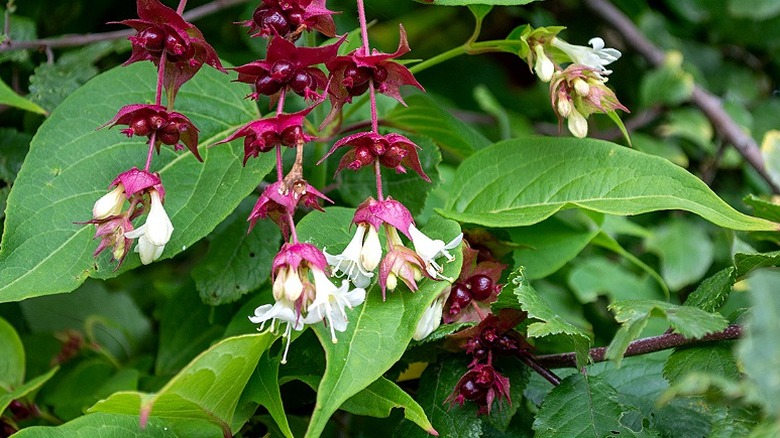
Himalayan honeysuckle is considered an invasive plant in Australia and elsewhere. While it doesn't necessarily grow and spread fast enough in other regions of the world to be considered invasive, you may have to take steps to prevent it from taking over your landscaping area. Removing the flowers after they bloom but before you see seeds is the best way to control spread. Another option is to grow the plants in containers. If you plan to plant several of these shrubs in August, leave 2 to 3 feet of space between them to avoid overcrowding.
Another thing to note, is that if you'd like a shorter shrub, the Himalayan honeysuckle might not fit your needs, as it can grow up to 6 feet. If you like the idea of a taller shrub, though, the good news with a Himalayan honeysuckle is that it will grow back to its 6-foot height in the spring even if you prune it close to the ground in late winter. (Read about more fast-growing shrubs that will add color and privacy to your yard.)
Some people eat the purple berries from the Himalayan honeysuckle, as they're said to taste like caramel, although they can be bitter if they aren't ripe. On that note, they're extremely soft when ripe, and you might inadvertently squish them when you pick them. Like most plants with dark-colored berries, if you plant Himalayan honeysuckle near sidewalks or driveways, the soft purple berries could fall to the ground and cause staining that's difficult to clean.