

Not Wood Or Metal: Build Durable Raised Garden Beds With A Material You May Already Have
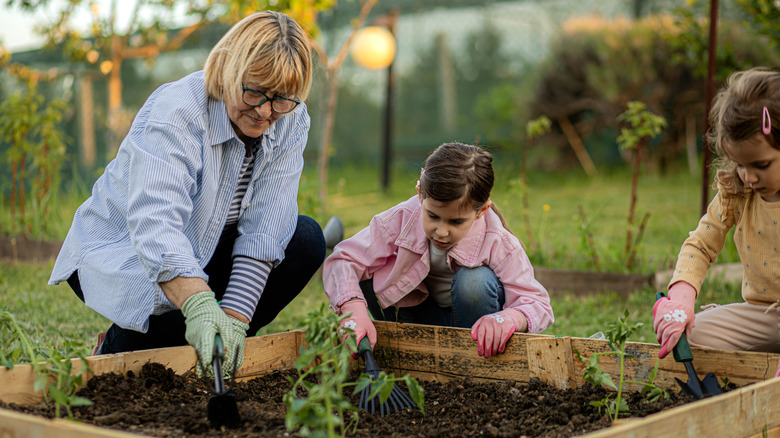
If you're starting a raised bed garden, one of the most exciting things about it is the sheer number of ways you can build your beds. Even just the variety of materials that you can use is enough to make a serious gardener giddy. However, if durability is your chief concern at the building stage, then you may want to reconsider using wood or metal. Regardless of treatment or stains, wooden raised bed walls will eventually rot. They're often sunk into the ground, thus being exposed to wood-weakening dampness — and you'll need to water the soil inside them, too. As for metal, while it's technically more durable than wood, it's also often more expensive. Some metals will rust, too, which at best will render the walls ineffective at best and dangerous at worst. Even without rust, homemade metal raised beds can have sharp corners, so you'll need to watch your shins as you shimmy around your garden with the hose.
Instead, you could invest in some bricks or pavers and make your raised bed with those. Better still, if you recently finished a hardscape project and have a bunch of materials going spare, building a raised bed is a great way to upcycle those leftover pavers. If you do, you'll enjoy the rustic look of bricks or stone in your garden — which will also tie in with your recently-finished hardscape project. On top of that, unlike wood and metal, pavers don't suffer from ailments like rot or rust. They also won't bend or warp under the pressure of constant heat and humidity swings. In other words, provided that you build your beds properly, they have the potential to be much more durable.
How to ensure your paver-built raised bed stands the test of time
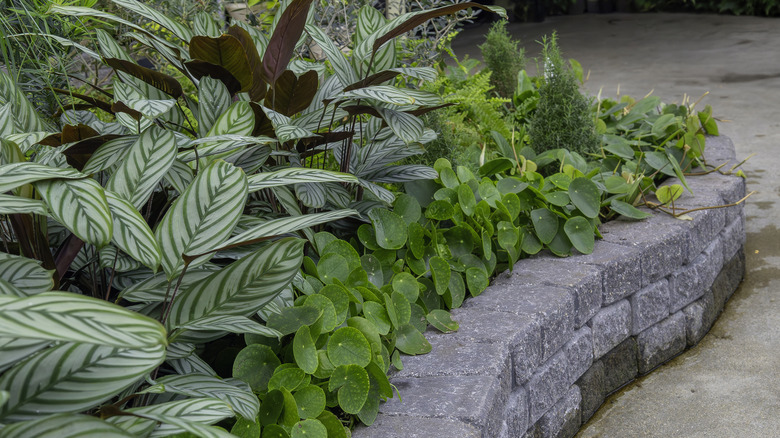
Just relying on your pavers' material durability alone is not enough to ensure your raised beds stand the test of time. Soil is heavy, especially when it's wet, so it could cause wobbly, improperly-built pavers to shift and possibly even collapse. Plus, plants rarely care whether or not you actually want their roots to extend beyond the boundaries of your bed. With that in mind, a little intention with your raised bed building project can go a long way to securing their long-term durability. This starts with choosing the perfect spot for your raised bed — ideally somewhere sunny, close to the house (for convenience), and flat.
With your site chosen, don't just begin stacking your pavers on the ground. Do that, and they may begin to fall out of shape just as soon as you add your soil. Instead, ensure that the surface on which you're stacking your pavers is level. If you're building directly onto the ground without digging out the main planting area, you should at least dig a trench around the perimeter for the pavers. Aim for approximately four inches of depth, and when it's dug, fill it with a paver base, tamping it down until it's level. This will provide a strong foundation, helping to evenly spread the weight of your pavers across the soil.
Finally, unless your walls are higher than eight inches, you shouldn't need to worry about mortar. Larger structures usually require both mortar and concrete footings for stability. But for smaller beds, a simple bead of construction adhesive between courses should be sufficient to keep them stable.