

Why Fall May Be The Best Time Of Year To Install Your New Fence
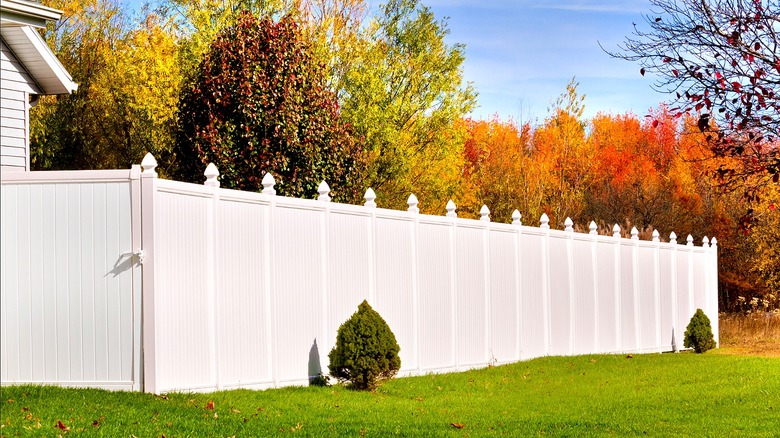
When warmer weather rolls around, most homeowners scramble to book contractors for spring and summer outdoor upgrades — often facing monthslong waiting lists and increasing temperatures. But if a new fence is on your home improvement checklist, holding out for sweater weather might just be the ultimate power move.
For a pressure-treated or natural wood fence, intense summer heat can dry out the lumber too quickly, causing warping or splitting. In the fall, however, milder temperatures and lower humidity allow the wood to dry slowly and evenly. Even vinyl fences benefit from an autumn install; setting posts and snapping panels in place during moderate, mid-range temperatures prevents the material from buckling when it expands in summer heat or cracking when it contracts in winter freezes.
Beyond that, fall often brings easier schedules for contractors, since the summer rush of emergency repairs and major yard overhauls has finally cooled off. While spring and summer represent peak busy season, autumn demand tapers off significantly. While not guaranteed, you might be more likely to get on a contractor's schedule quickly without waiting months for a visit. Additionally, some crews offer off-season pricing or material discounts to keep work moving before winter sets in, meaning you could end up saving on total installation costs.
To top it all off, installing your fence in the fall ensures your yard is fully enclosed and ready for pets and kids as soon as warm weather hits next spring, bypassing the early spring rush altogether. You can use that extra time to discuss boundary lines and choose the best way to install a fence to make both you and your neighbor happy, and keep the peace before digging begins.
How to prep your yard for a fall fence installation
Unlike putting up a new fence in the summertime, when the ground is bone-dry and your yard's landscaping is in full bloom, fall weather brings with it unique prep requirements and environmental conditions. During summer, certain soil is often baked hard, requiring extra effort to break open and producing heavy dust clouds. In the fall, however, soil retains cool rain longer. Because of this, you must shut off automatic sprinklers a few days ahead of fence installation to avoid turning post-hole digs into muddy cave-ins (and ensure underground lines are marked before winterizing).
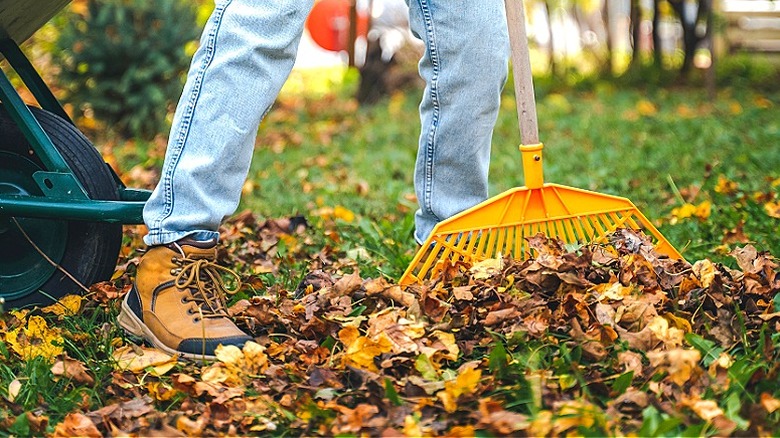
Likewise, you don't have to worry about fallen yard debris obscuring property lines in the summer. Autumn blankets of leaves and dying underbrush, on the other hand, can hide low stakes and sprinkler heads. Be sure to clear away leaves and brush directly along the perimeter.
Proper prep is one of the most essential tips for building the perfect fence. Thankfully, since cool weather in the fall slows active grass growth, you can expect less permanent turf stress and lawn damage from heavy work boots, meaning less yard repair afterward. Further, with bare branches and thinned-out greenery, you'll have a clear line of sight to identify official survey pins and spot low-hanging branches that need trimming back before the installation crew arrives.
To give contractors an unobstructed path and prevent accidental damage to hidden landscaping, aim to clear a 3- to 5-foot corridor along the entire perimeter. Relocate any remaining potted plants, outdoor furniture, or seasonal décor out of the work area ahead of time, too. Avoiding the common mistakes everyone makes when installing a fence ensures workers can maneuver heavy materials and post-hole diggers freely without creating unnecessary delays or safety hazards.