

5 Disadvantages Of Using A Toaster Oven
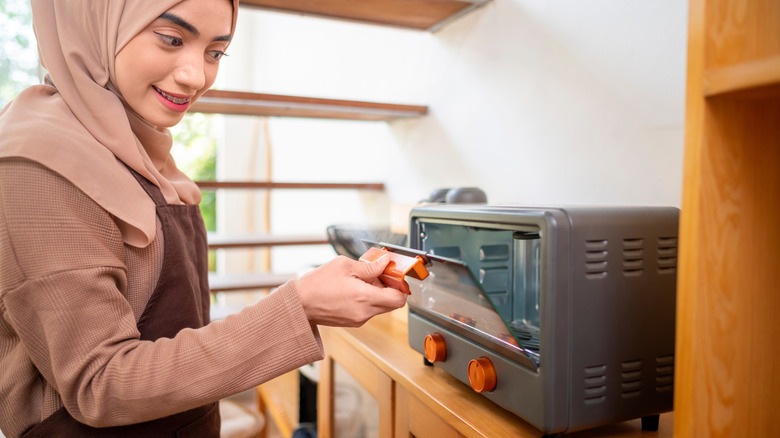
There are many advantages that come with adding a toaster oven to your kitchen's arsenal. They're more energy-efficient than some larger options, quick to preheat, and versatile enough to save them from the dreaded fate of having only a single purpose in your kitchen. Of course, even the best appliances have their drawbacks, and there are a few disadvantages to keep in mind when using a toaster oven.
Toaster ovens are overall another appliance. This means that you'll need to consider how much use you'll actually get out of it before purchasing. Otherwise, you may find yourself with just another appliance cluttering your countertop or cabinets. And, because toaster ovens can't be used for everything, it's important to familiarize yourself with those drawbacks before making the investment. For example, toaster ovens aren't suitable for all types of food or bakeware, and it can take time to learn the best ways to utilize this device for the best cooking possible. On the bright side, learning the limitations and best-use techniques for a toaster oven, as well as taking the time to brush up on the safety requirements for your particular model, can help you circumvent the potential disadvantages of using a toaster oven in your kitchen.
You're adding another appliance to your kitchen
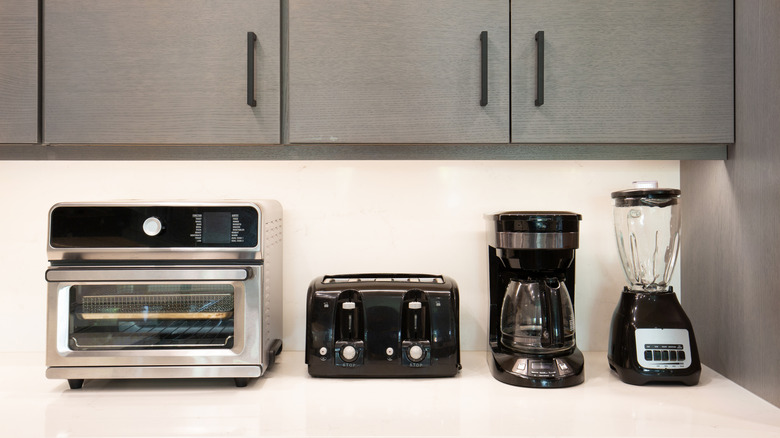
If you already have an oven in your home, then one of the biggest disadvantages to using a toaster oven is that you're introducing another appliance to your kitchen, one that serves a similar role as the larger appliance you already have. Of course, there are some advantages that toaster ovens have over full-size ovens that can make having the extra appliance worthwhile. For one, they use less energy. They can also be useful during heat waves when you wish to cook something quickly without heating up your entire kitchen.
However, even with the benefits of adding a toaster oven, you'll still want to think about the space involved in maintaining another appliance, especially if your counter is already cluttered with a mixer or similar small tools. If you're trying to make the most of a small kitchen, then you may find that the cons of a toaster oven eating up your counter space are not worth the advantages it offers over a full-sized oven. This is especially true because toaster ovens have several other disadvantages to keep in mind, including meal preparation limitations, extra equipment and bakeware needed, and the unique safety risks that can come with a toaster oven versus regular full-sized appliances.
You can only prepare smaller portions at a time
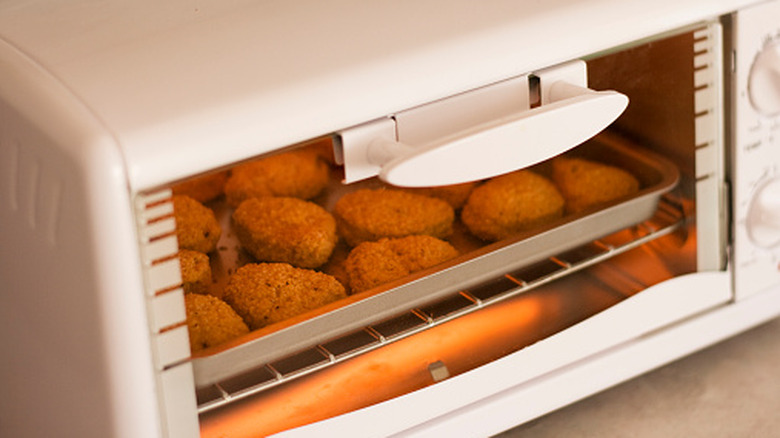
Toaster ovens have a smaller interior space to heat and keep warm. While that smaller interior can cut preheat waiting times down to a fraction, it isn't without its drawbacks. You can only prepare smaller portions of food at a time, and some meals may not fit within the toaster oven at all depending on what exactly you're making.
The exact size of your toaster oven depends on the brand and model. However, smaller models can feature as little as 0.3 cubic feet in capacity, while larger options instead sit around 1.0 cubic feet. In comparison, a full-sized oven can have as much as five times this amount of interior space, which means it's much easier to cook larger meals. If you plan on regularly cooking for a large family or guests, then you may find that a toaster oven alone is unable to handle the task. This then returns to the disadvantage of adding another appliance to your kitchen that you may not be able to readily use all the time.
It may be easier to burn food depending on size
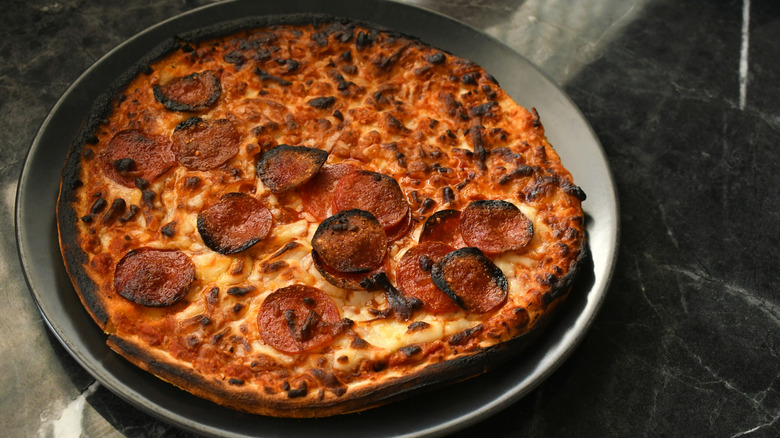
Because of the smaller size of the interior of a toaster oven, in many cases, the food you place in there to cook will be closer to the heating element than it would be in a full-sized oven. This can increase the risk of accidentally burning your food, since it may heat faster than you're used to. This is especially true given the fact that some toaster ovens may have exposed heating elements. With that distinction in mind, the risk is variable depending on your model, and larger models or those without exposed heating elements acting like a broiler may be more similar to an oven in function.
The best way to circumvent burnings is to watch your food carefully when you first start using your toaster oven. If you're used to cooking a dish in the full-size oven, you may find it doesn't need nearly as much time in a smaller toaster oven. Careful observation can help you pinpoint when the food is cooked prior to too much heat ruining your next meal.
Not all types of food or bakeware are toaster oven-safe
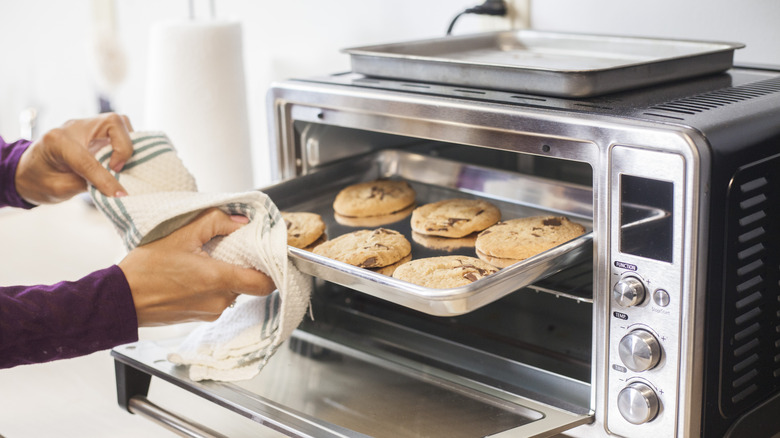
When you purchase a toaster oven, you may believe that you can use it for the same purposes as your oven, and with the same equipment. While this is mostly true, it's not a blanket rule. In fact, some foods don't hold up as well in a toaster oven, and even bakeware that's safe in a regular oven may not be the proper equipment to use with your toaster oven.
Toaster ovens pack a lot of direct heat. And, as mentioned before, their capacity is smaller than most full-sized ovens, which brings your next meal closer to the heating elements. While this may result in easier burning, as you just learned, it also means that not every single piece of oven-safe bakeware or every tried-and-true oven recipe functions the same. "Oven-safe" can cover a wide variety of materials. When choosing the right bakeware for your toaster oven, however, it's important to choose options that are specifically safe for a toaster oven. Certain glass or ceramic options may become damaged even when they're rated as safe for a regular oven. And, in fact, there are types of glass you shouldn't put in your regular oven, either.
As far as food goes, there are some things you may still wish to save an oven for. This includes food that produces large amounts of grease or recipes involving large amounts of liquid, both of which could damage the heating elements and pose a safety risk in case of accidents. And, because you just learned how easy it can be to burn food, smaller ingredients like nuts may do better in an appliance with less direct heating.
They can pose safety risks in your kitchen when used incorrectly
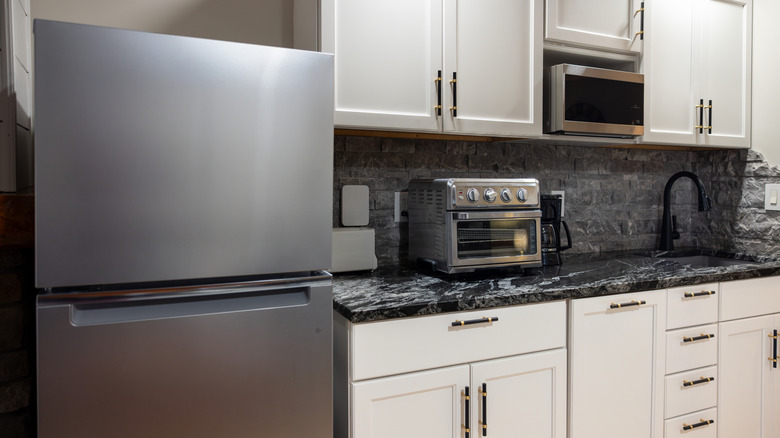
One of the biggest disadvantages of using a toaster oven is that it can pose some safety risks in your kitchen if used incorrectly. Of course, this applies to all types of appliances and commonly used kitchen equipment, and even those used in perfect accordance to the instruction manual can sometimes malfunction. However, with toaster ovens, there are a few additional risks to keep in mind that one may not think of at first glance.
First, due to their countertop use and extreme temperatures, a toaster oven can reach hundreds of degrees Fahrenheit in temperature for long durations. As a result, you often don't want to leave your toaster oven unsupervised during cooking. Whereas you may be able to step into another room with a regular oven — you should avoid leaving your home with the oven on, and you still need to check it periodically while cooking — you'll likely want to keep a closer eye on your countertop toaster oven.
There's also the risk of plugs. If you're treating your toaster oven as an oven alternative, it can be tempting to leave it plugged in. After all, you don't move and unplug your oven after every use. However, as a smaller appliance, one common mistake to avoid making with your toaster oven is leaving it plugged in while not in use.