

The 23 Brands Owned By Rubbermaid's Parent Company Are Incredibly Diverse
We may receive a commission on purchases made from links.
Given Rubbermaid's resounding presence in American homes, you may think it runs as a sprawling empire all on its own, powered by our need to lock food in with airtight lids. But turns out, it's in fact a tiny cog in the wheel of Newell Brands. From its beginning in 1903 as a manufacturer of metal rods for curtains under the name "Newell Manufacturing Company, Inc.," Newell Brands has since gone on to rename, rebrand, and diversify itself a couple times over, though maintaining that it remains consumer-oriented.
As for the companies, you're probably already familiar with some of the brands under Rubbermaid's parent company — think Sharpie, the trusted marker in your drawer; Ball with its clear and colorful mason jars; or coffee makers from Mr. Coffee. Those with toddlers may have had a brush with brands like Graco or Nuk. Home cooks, meanwhile, would certainly know of Crock-Pot, Calphalon, and FoodSaver. Below, as we list 23 brands under Newell, you'll find that the company holds a larger footprint inside your home than you imagined.
From kitchen essentials, art supplies, home fragrances, camping gear, and glues to small appliances, Newell has it all. What's more, its business isn't even limited to the U.S.; Newell serves consumers across Brazil and Latin America, the United Kingdom, Japan, and worldwide. However, note that lots of these brands were acquired over the years through various deals and mergers and currently enjoy a place under Newell's roof, as per the latest filing. Though there's always a chance that they may be divested away (as many brands before them were).
Coleman
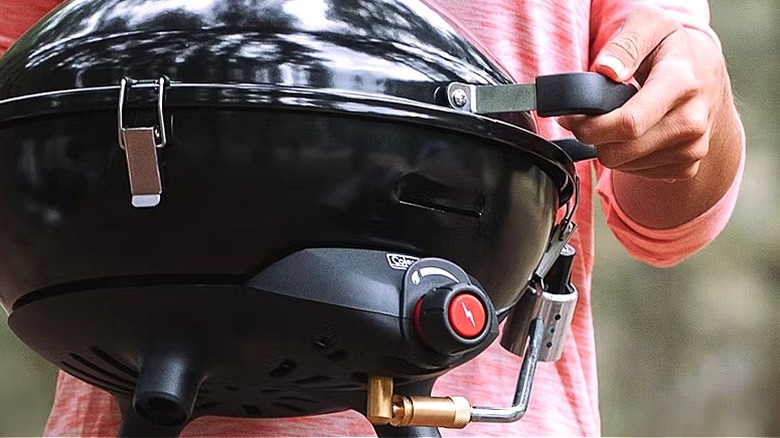
Whether you're out camping or hosting folks in your backyard, chances are you've a Coleman product by your side. This iconic brand built its reputation on gas-powered lanterns when electricity was a scarce commodity and went on to serve WWII soldiers through its portable stoves. By the 1950s, Coleman had expanded into coolers, for which it remains popular, and has since expanded its offerings to grills, burners, camping gear, and outdoor furniture. It entered Newell's bandwagon in 2016 through Newell's merger with Jarden Corp.
Campingaz
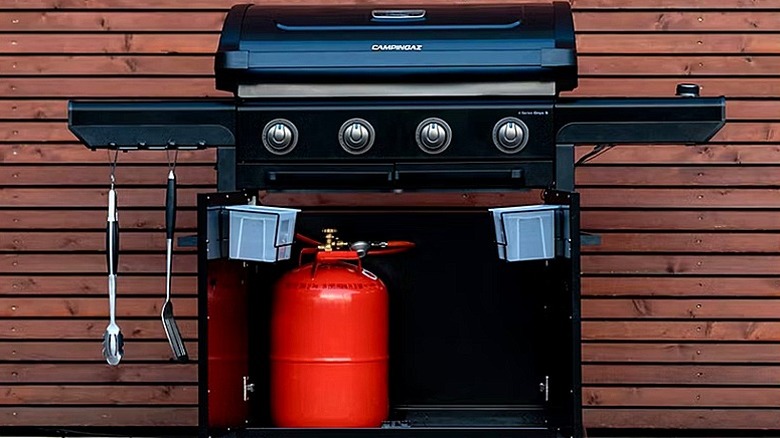
As it specifically caters to Europeans and the Brits, American audiences may not be familiar with Campingaz. But it's an outdoor brand that had its first start in 1949 with "bidon bleu," a portable gas equipment, colored blue. Once the craze caught on in France and across, Campingaz expanded its offerings to include gas-run barbecue grills, griddles, stoves, lanterns, and even cool bags. It has also since ventured into garden tools by introducing blow torches to get rid of weeds.
Graco
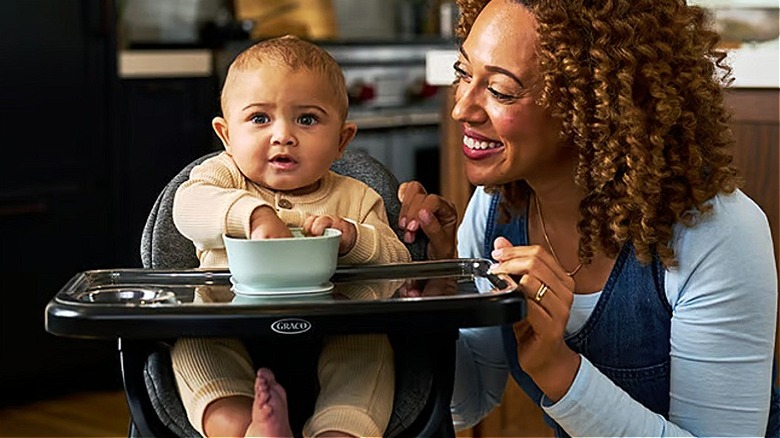
If you're expecting or have a toddler in the house, you've probably looked through the suite of baby gear that Graco offers, given their quality make and cost-effectiveness. Pioneering Swyngomatic, an automatic baby swing back in the 1950s, Graco has since produced a slew of innovative products, like ClickConnect and Turn & Slide rotating car seats. From playards, high chairs, swings, carriers, and bassinets to dedicated gear for the nursery, it has lots of home child products.
Nuk
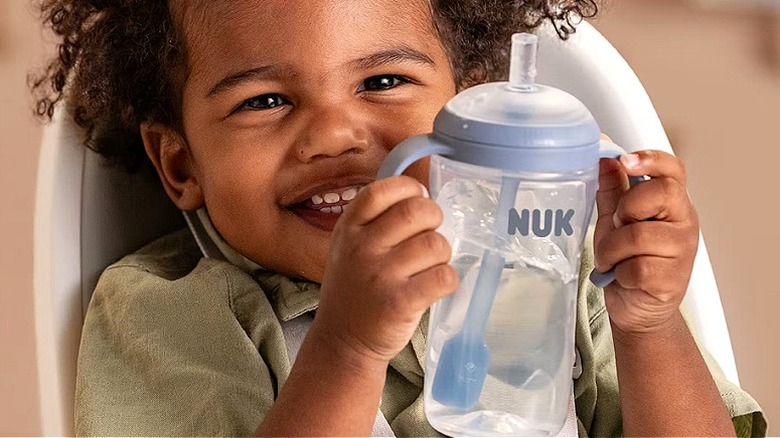
Before its introduction to the U.S. markets, Nuk, another baby care company, enjoyed a largely European presence. A pair of dentists first created an orthodontic bottle nipple for babies, and this design was improved decades later when it was discovered that you require different sizes to feed newborns and toddlers. Apart from pacifiers, Nuk also revolutionized child care by introducing screw-topped bottles that let families stay out longer without the risk of baby food leaking. It was first acquired by Jarden, which in turn was bought by Newell and has since gone on to offer baby trainer cups, toddler tableware, and even nursing pads for new mothers.
Oster
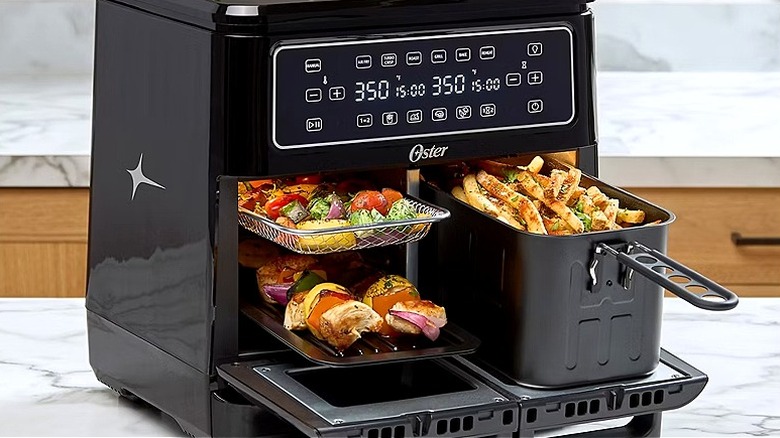
Curiously, Oster started as a manufacturer of barber equipment, hair clippers to be exact. But in 1946, it expanded into electric appliances by acquiring Stevens Electric Company, the maker of a liquefied blender, for which it remains popular. Since then it has introduced a plethora of mass-market kitchen appliances, such as waffle makers, toaster ovens, air fryers, and food choppers. It also has a range of professional grooming and animal care products. Other than the U.S., Oster enjoys popularity in Latin America.
Rubbermaid
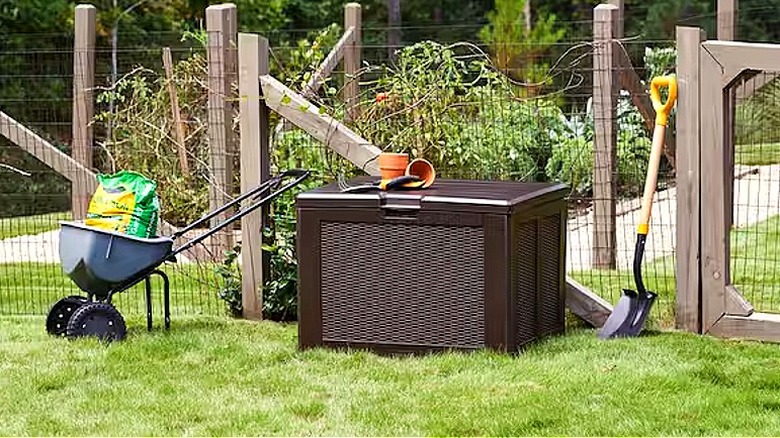
Be it its iconic Roughneck storage boxes, airtight, shatter-proof Brilliance plastic containers, or its affordable storage systems that keep your garage organized, Rubbermaid has become a household name in most American homes. But funny enough, that's not how the company started. Originally, Rubbermaid was a mom-and-pop shop that made rubber dustpans during the Great Depression and was later acquired by The Wooster Rubber Company (which Newell bought in 1999). Due to a shortage of rubber for civilian use during WWII, it briefly focused on producing wares for the military until the company went public and found the funds to switch to plastic production.
Sistema
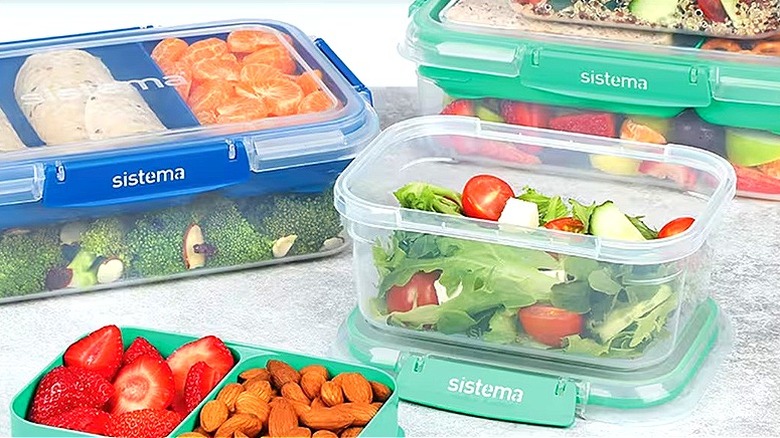
Newell picked up Sistema in 2017 for over $450 million. Based out of Auckland, New Zealand, Sistema caters to customers situated all around the world, boasting reach in 110 countries. It manufactures a suite of durable, everyday items that you may find yourself reaching for throughout the day, such as drink bottles and lunch boxes. It also offers specific containers for meal prep and those built for the microwave. Organizer solutions for the pantry, bathroom, laundry room, garage, utility closet, and countertop round out its collection.
Crock-Pot
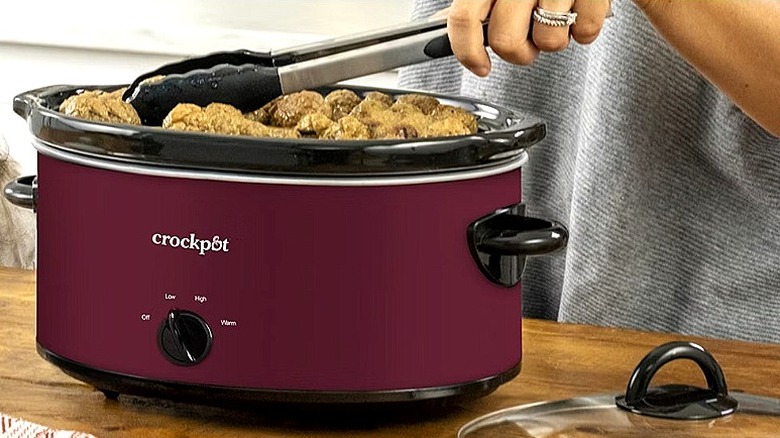
Before Crock-Pot became a household name with its promise of slow cooking that softened hard meat and filled the home with appetizing aromas, enabling women to stay out longer as they worked to support the household, it was Naxon Beanery. A brainchild of Irving Naxon, the initial model was meant to slowly cook cholent, a bean-based stew, and naturally never caught on. However, after it was acquired by Rival Manufacturing, its team took immense pains to experiment with different food recipes to popularize the slow cooker, which worked. Today, under Newell's house, Crock-Pot sells slow cookers, pressure cookers, multicookers, electric lunch boxes, and plenty of other specialty items.
Mr. Coffee
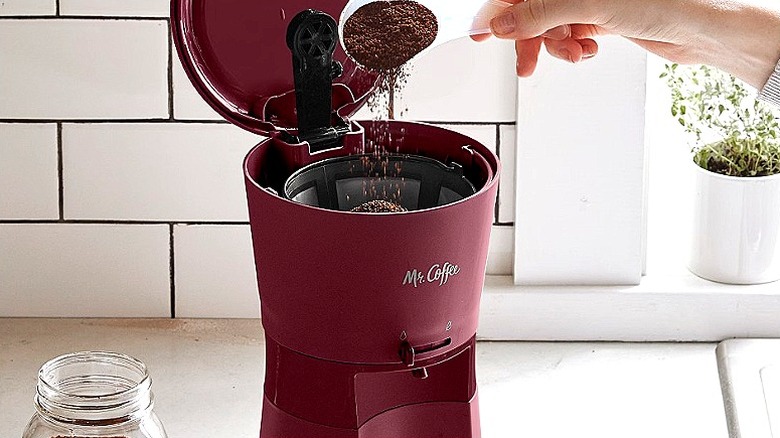
While it may seem unimaginable today, there was a time in the 1960s when most American households used percolators to extract pots of coffee. But since the output was often bitter, or "overextracted" if we're getting deep into the lingo, two partners, Vincent Marotta and Samuel Glazer, decided to create automatic-drip coffee machines so people could enjoy a better morning cup of joe. For over 50 years now, Mr. Coffee has been enjoying countertop space for its drip coffee makers, espresso machines, coffee grinders, coffee filters, mug warmers, and specialty brewers.
FoodSaver
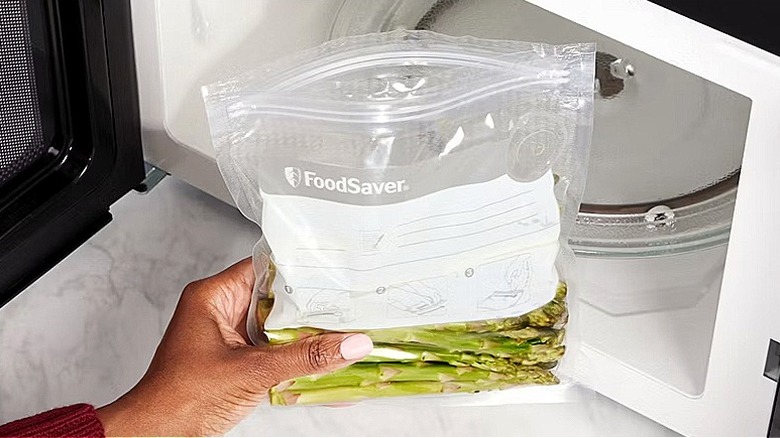
Unlike Rubbermaid that offers reusable storage, FoodSaver differentiates itself by offering vacuum-sealing systems. When you scan through its bestsellers, you'll find a host of seal bags, zipper bags, and handheld, automatic countertop systems that basically suck the air out when you're storing food. While it doesn't work as well as food canning, it does help in extending the preserved life of food without sacrificing texture and flavor. Marketed as a handy item to minimize food wastage and save on grocery bills, FoodSaver is especially useful for households that prefer buying in bulk, especially when retailers are running mad discounts, or those who prep their meals in advance.
Calphalon
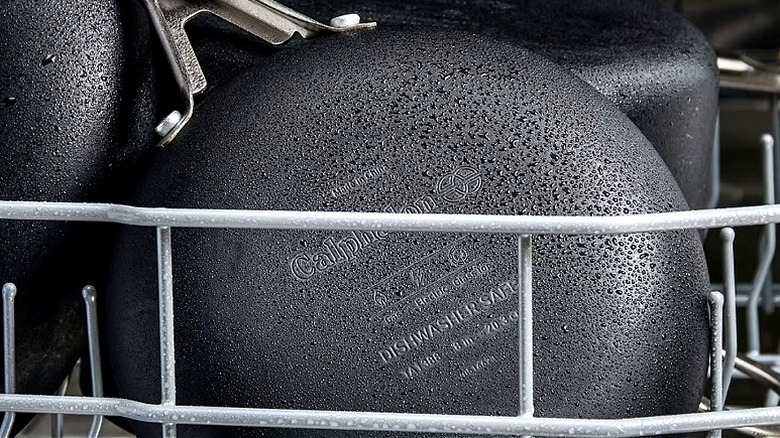
Where Rubbermaid takes care of your cooked food, Calphalon starts right at the prep stage with its range of cookware and bakeware. It initially began as "Commercial Aluminum Cookware," and marketed itself exclusively to professional cooks. Blending knowledge gained from the aerospace industry, its founder conceived the iconic hard-anodized aluminum cookware that resisted corrosion better than other offerings on the market. Only after exposure through demonstrative workshops and cookbooks did it catch the fancy of home cooks and was renamed Calphalon in 1992. Beyond the basics, it has expanded into other product lines involving self-sharpening and antimicrobial cutlery.
Ball
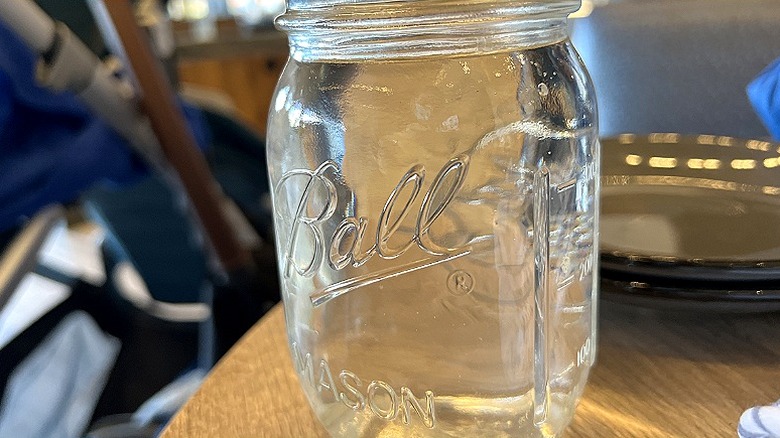
Ball, the maker of everyday essentials like Mason jars, needs little introduction. But what you may find intriguing is that Newell holds the exclusive license to sell them. Ball's story started more than 140 years ago with a $200 loan taken by five brothers with their hearts set on acquiring a can company. After moving their base to Indiana, where they still exist, they created a storm with their glass jars that were a boon during the war years when households had to preserve their home produce to make it last. While food canning lost some of its charm with the times improving, Mason jars found a different lease, as drinking jars and bouquet holders.
Yankee Candle
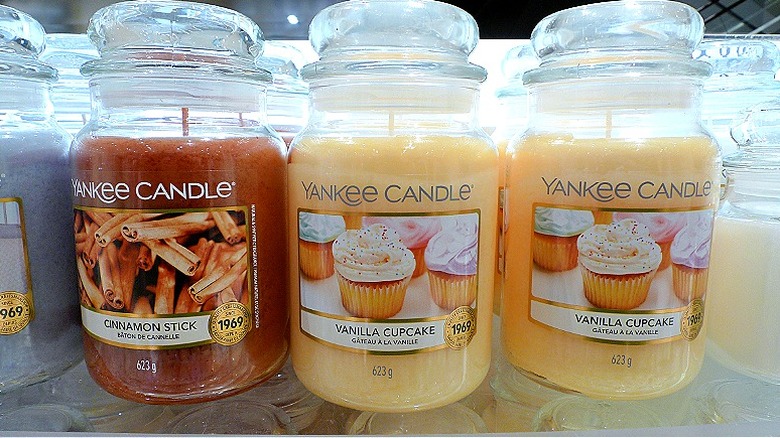
When you need to create ambience for your meditation, a digital-free analog session, or a cozy book read, there are nice odds you've looked at burning soy-blend jars from Yankee Candle. With 600 fragrances and counting, Yankee Candle has become a household name for its home and car products, and was swooped up by Newell through its merger with Jarden Corp in 2016. Besides its lovely scents, however, the brand also boasts a lovely success story. It started with a broke 16-year-old burning down crayons into wax candles for Christmas for his mom when a neighbor bought one, too, seeing their potential, and the rest is history.
Chesapeake Bay Fragrance
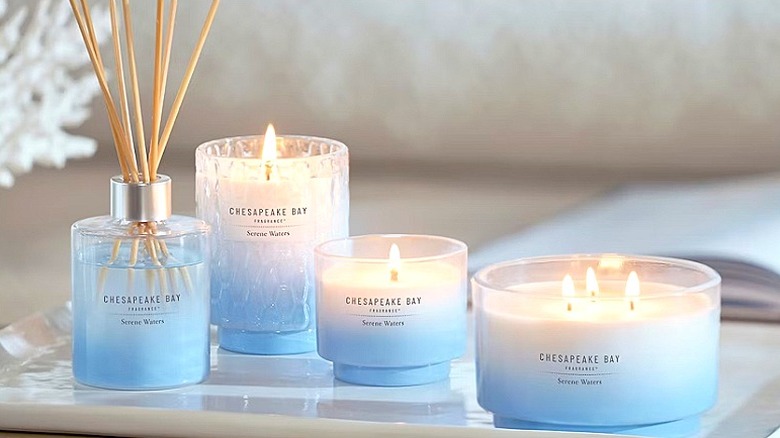
Named after and inspired by the Chesapeake Bay area, Chesapeake Bay Candle began as a way for the founders, Mei Xu and David Wang, to capture and evoke the memories of the coast. Started in 1994, the company is known to formulate its home fragrances, including candles and reed diffusers, with a signature note, "Spindrift Accord," crafted to instantly make you feel connected to nature. It did go through a rechristening of sorts in 2026 and now goes by Chesapeake Bay Fragrance. It creates minimalist bottles featuring tumbled, clear glass suggestive of ocean waves and marked with a blue heron as the logo.
WoodWick
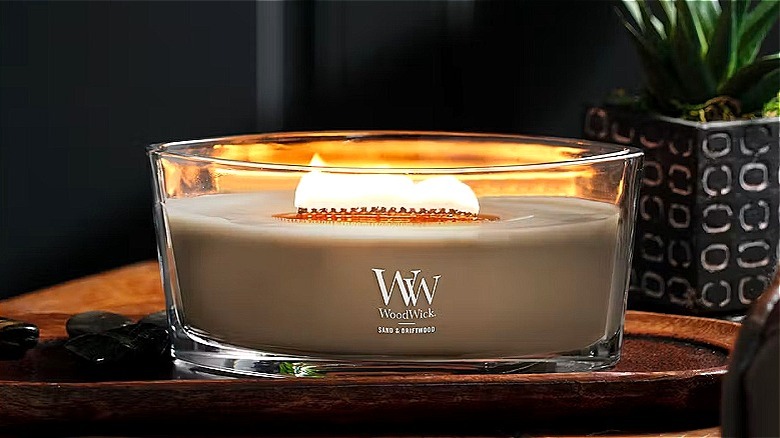
Differentiating itself from Yankee Candle and Chesapeake Bay Fragrance, WoodWick brings an auditory twist to the home fragrance segment with its crackling wicks. Keeping with its name, rather than cotton, it creates wicks from natural wood that imitates the sound and sometimes the look (like for the Hearthwick range) of an open fireplace, enhancing the overall ambience. Newer collections seem to be taking sustainability into account, with the brand pivoting to recycled glass content for its candles and increasingly utilizing soy-coconut blends as the base.
Sharpie
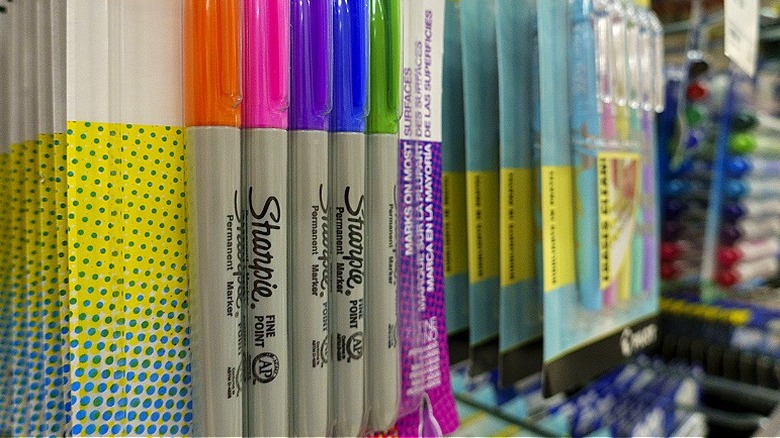
Another flagship brand under the house of Newell is Sharpie. Yes, the very marker that you might have used to make your scratched hardwood floors look brand new or to replicate Jasmine Roth's budget-friendly trick to add charm to basic wallpaper. Interestingly, before becoming Sharpie, for nearly a century, this company was known as Sanford Manufacturing Company, and it produced glue and ink. It wasn't until 1964 that it introduced its iconic marker that today has become a staple for craft projects, DIY, labeling, and much more. It's also well-known for its smudge-proof highlighters and smooth-writing gel pens.
Expo
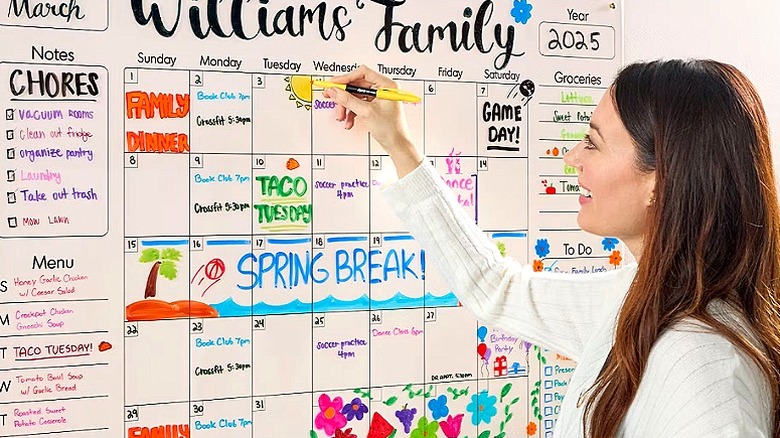
With fine-tipped eraser markers in 17 colors and counting, including the iconic yellow dry marker that was brought back into circulation in March 2026, Expo has scratched out a niche for itself in homes and schools. From brainstorming sessions in your home office, making a quick grocery list in the kitchen, and putting up notes for doing laundry the right way (kids, we tell ya!) to leaving love notes to your partner in their packed lunch boxes or the bathroom mirror, Expo has slid into our daily lives through a multitude of ways.
Prismacolor
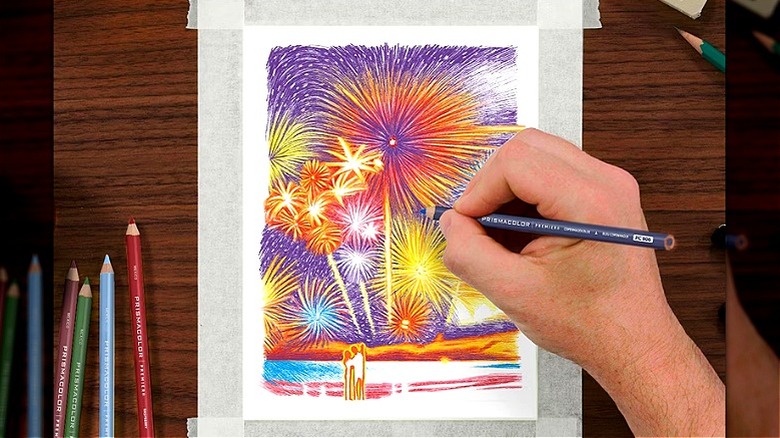
If Sharpie and Expo initiate your art journey, Prismacolor takes it forward to professional levels. Founded in 1856, the original "The Eagle Pencil Company" primarily offered graphite pencils for sketching, then branched out into colored variations, tellingly named Prismacolor, in 1938. Before it was snagged up by Newell in 1995, Prismacolor was a part of Berol under whose liege it began producing dual-tipped markers. Fine-tipped markers in varying hues that illustrators could use to create delicate lettering for their cartoon and manga strips were introduced in 2007. Adjacent accessories like colorless blender pencils, kneaded and magic rub erasers, and lead holders further bolster its product lines.
Paper Mate
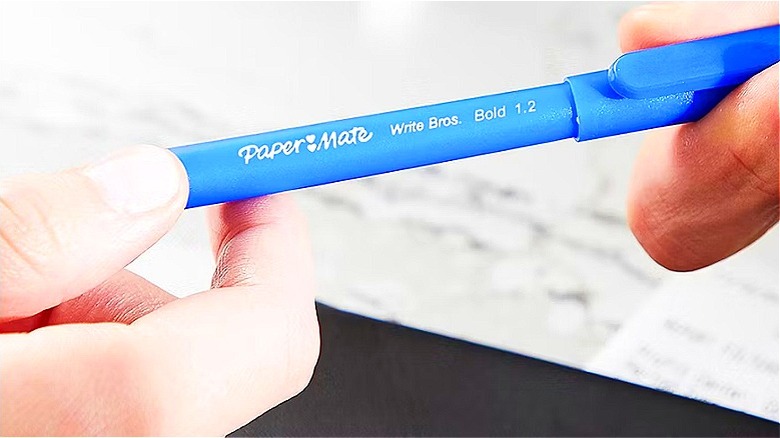
Surely, you recognize the stacked red heart logo as Paper Mate, but do you know it's a sibling to Rubbermaid? Like Sharpie, Paper Mate has an interesting history when Patrick J. Frawley, after acquiring a struggling ballpoint maker, formulated an ink that dried instantly. It might not seem like much today, but it was truly revolutionary back in 1949. Thus, Paper Mate was born, though the Flair felt-tip pen that you use to mark your calendars, complete your doodles, finish home craft projects, or park away in your home office drawer was only introduced in 1966.
Elmer's
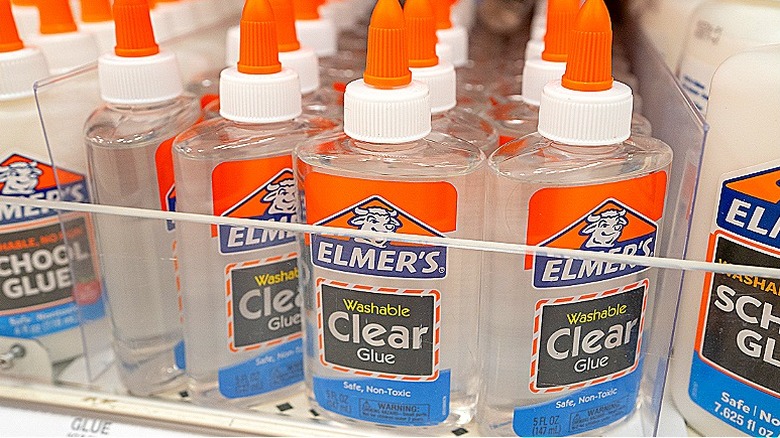
The orange-capped, white bottle with the bull's face that you squeezed for oodles of glue has marked the memories of baby boomers and the generations that followed them. Whenever your kids get into a tizzy, handing them Elmer's glue and slime has worked wonders in keeping them off your backs. Though the respite may be short-lived if they simply mess up the kitchen counter. Funnily enough, Elmer's traces its origin to a dairy company, for the glue was first formulated using milk protein or casein and was then sold under the name "Cascorez Glue," before it was rechristened in 1951. It also offers hardware adhesives and wood fillers for woodworking hobbyists.
Dymo
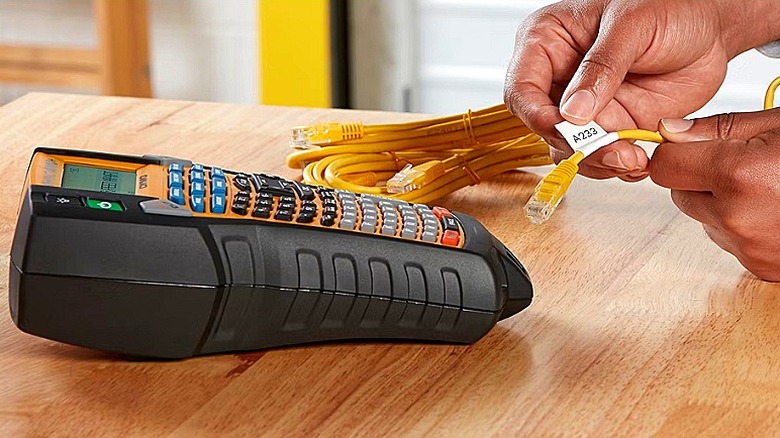
Founded in California, Dymo's initial run began as a manufacturer of personalized and official labels. By the late 1960s, its handheld embossers became all the rage, not just in the U.S., but across Europe and then farther. Like many brands here, Dymo has undergone a change of ownership, held first by Esselte until it was sold to Newell in 2005 for a delicious sum of $730 million. Apart from its industrial, cryogenic, and professional labeling systems, it offers label makers for home projects that could help you sort out your Rubbermaid containers in the pantry or kitchen drawers, or personalize your garments with embossed initials.
Spontex
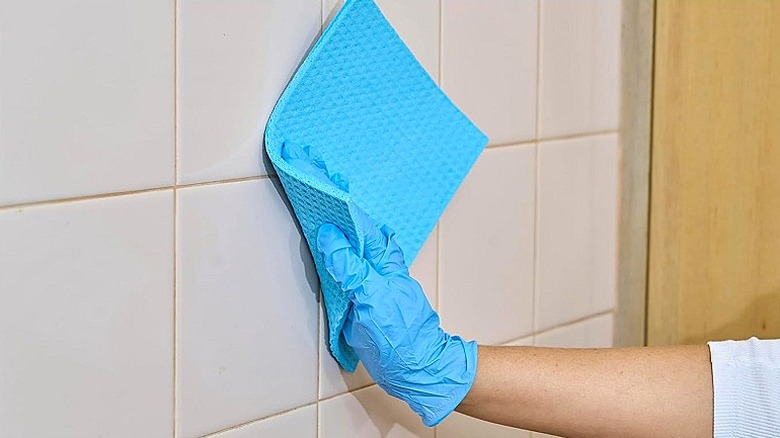
Through Spontex's acquisition via the Jarden merger, Newell gained a foothold in the European market. With a history spanning over 80 years, Spontex — a fusion of "sponge" and "textile" – became a sensation when it designed a cellulose sponge for cleaning. Thereafter, it has created a laundry list of cleaning tools, such as sponge scourers, kitchen cloths, disposable gloves, rubber brooms, and dustpans to keep surfaces spick-and-span. Unsurprisingly, Spontex has also ventured into the body care segment with a plant-based, biodegradable body sponge!
Sunbeam
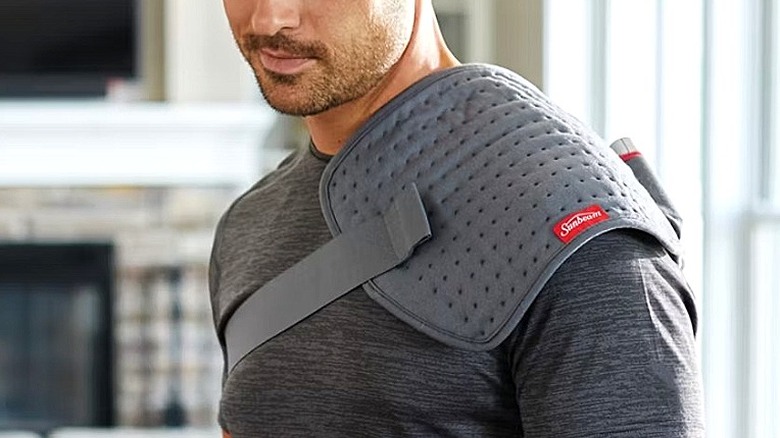
Newell markets Sunbeam today as a pain-relief company. With wellness becoming trendy and muscle pain being top of mind for plenty, Sunbeam offers an assortment of cordless and electric heating pads along with cold joint wraps. However, when you dig into its history — before Sunbeam became bankrupt and joined Newell's banner — you'll find a connection to John K. Stewart, a Chicago-based industrialist who founded Sunbeam as an offshoot of his flexible shaft company. Back then, it was popular for its "Princess" irons and "Mixmaster Junior," a handheld food mixer. Although you won't find any kitchen appliances today, Sunbeam does sell electric irons, steamers, heated bedding, and health-monitoring systems.