

Coffee Grounds Aren't Changing The pH Of Your Soil
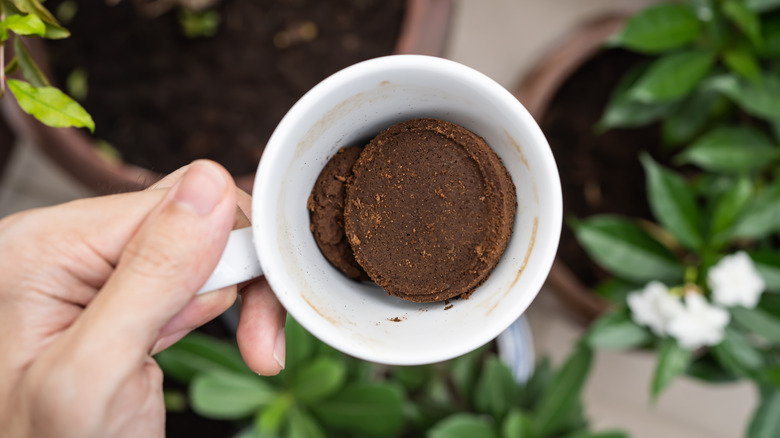
If you have blueberries, hydrangeas or other plants that thrive in acidic soils, you've probably googled every hack you can find to lower the pH of your soil. One of the most common recommendations you'll find is to sprinkle your used coffee grounds onto the soil near your acid-loving plants. The good news is: if you've already been dumping old coffee grounds in your flower beds, you've likely done no harm and may even be providing some benefits to the soil by doing so.
The bad news is none of those benefits include making your soil significantly more acidic. If that was your goal when you started, your soil's pH is likely unchanged. Coffee grounds simply aren't as acidic as they might seem, and the quantities you're likely adding to the soil aren't enough to meaningfully change the pH. There are ways to slowly and slightly tweak your soil pH, but coffee grounds aren't one of them and even the most effective solutions won't make a dramatic difference. If you're trying to get your soil from a 7 down to a 5.5, for example, there's not much you can do with coffee grounds. Pots or raised beds can be a better option if you have a few plants that need acidic soil, while your others do not. If you just need to slightly tweak the pH, on the other hand, using a more proven soil amendment and sticking with it for multiple growing seasons might be able to get you the more modest results you're after.
Why used coffee grounds won't change the pH of your soil
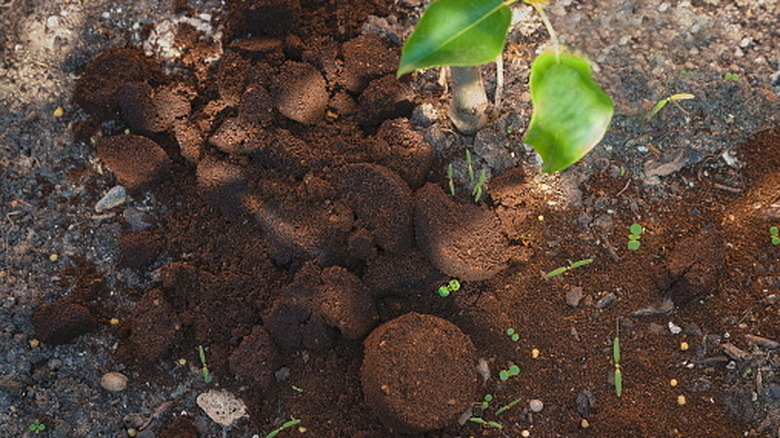
While it's a popular folk remedy and it won't necessarily harm your plants to try it, using coffee grounds to amend the soil in your yard is unlikely to dramatically change the pH. First, coffee grounds are not nearly as acidic as you might imagine. After you've brewed your morning cup, what's left in the grounds is actually much closer to neutral. Used coffee grounds typically have a pH of between 6.5 and 6.8. For reference, 7 is neutral. That's not low enough to have any noticeable benefit to acid-loving plants.
Second, the amount of coffee grounds you're probably adding is a drop in the bucket compared to your soil. It's a bit like adding a splash of vinegar to a lake — except in this case, the coffee grounds aren't as acidic as vinegar. So, you're adding too little of something that likely isn't acidic enough, even if it was being added in larger quantities.
Just because coffee grounds aren't doing much for your soil's pH doesn't mean you need to stop the habit, though. Coffee grounds are a great ingredient to add to your compost pile, for example. When added directly to the soil, those used grounds can also help slow the growth of disease-causing microbes. So go ahead and spread some on the soil around your plants. It's definitely better than just dumping coffee grounds in your trash every morning. Just don't expect it to change the pH.
Changing the pH of your soil is trickier than you think
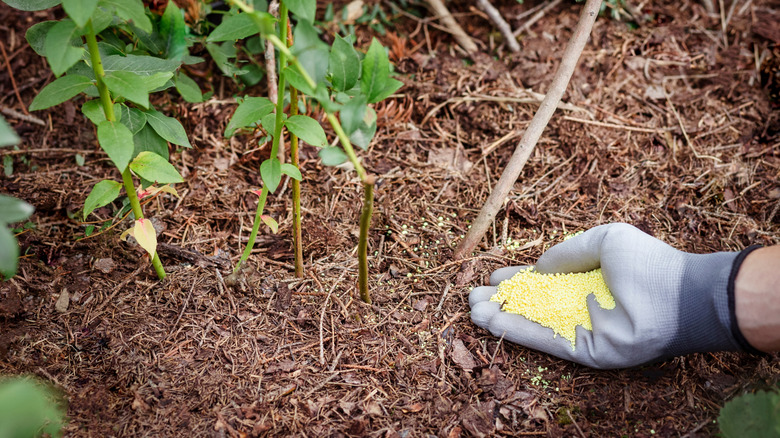
Before adding a single one to your soil, the first thing you should do is test your soil's pH levels. Once you know what you're actually starting with, adjust your expectations about how much you can change it and how quickly. The difference between a pH of 7 (neutral) and 6 may seem like a modest jump, but it requires a tenfold increase in acidity. Even with the right soil amendments and regular applications, you can only realistically hope for about 0.5 unit change. Anything more dramatic than that would require unrealistic quantities of amendments for most home gardeners.
If you do just need to achieve a modest change in pH, opt for something like elemental sulfur, aluminum sulfate, or sphagnum peat moss instead of coffee grounds. But remember that it can take months or longer even for an effective soil amendment to change the pH, you shouldn't expect to see a difference in your plants during this growing season. This is the main reason why amending the soil needs to be a repeat task every year. The sulfur or other material you add this year will help next year's plants. Next year, the amendments you add will help the plants growing the following year, and so on.