

What Does 'OHV' Mean On A Lawn Mower?
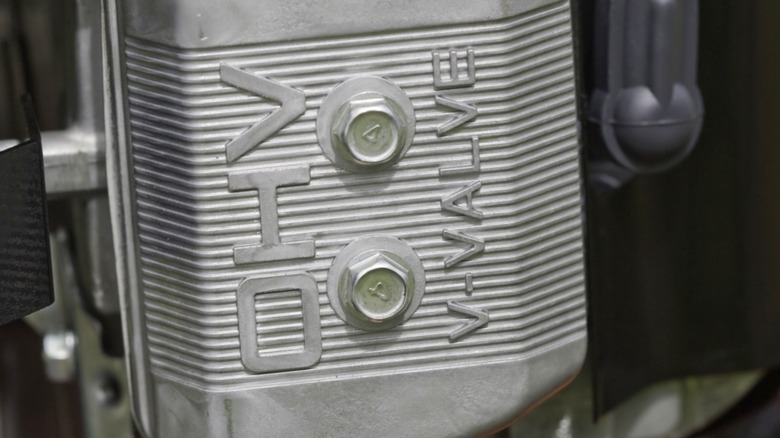
When you're comparing some of the best lawn mowers before buying, you'll probably focus on things like the deck size, the mulching capabilities, and the starting system. However, you'll also notice some unusual features and specifications that you may be less familiar with, such as "OHV." If you are considering a mower that includes OHV in its specifications or has it stamped near the engine, and are wondering whether this is important in selecting a model that will fit your needs, you're in the right place.
OHV is short for a lawn mower that has an overhead valve engine, also called a pushrod engine. In this type of engine design, the valves sit directly above the cylinders, rather than sitting beside them as they do in older flathead designs. The valves are located in the engine's cylinder head, above the combustion chamber, and to move them, the engine uses camshafts, pushrods, rocker arms, and tappets. As opposed to some other types of engines where the camshaft sits on top of the cylinder head, the camshaft in an OHV engine is located inside the engine block. This design generates more power compared to older engine designs. (It's important to note that some OHV designs are also considered OHC, or overhead camshaft, where the valve and cam are both above the cylinder head.)
Because of its benefits, many major lawn mower and small engine manufacturers primarily offer OHV designs, including Briggs and Stratton, Honda, Kawasaki, and Kohler. Generators and pressure washers also commonly use OHV engines, and it's common in modern motor vehicles, too, including pickup trucks and sports cars.
Pros and cons of using an OHV engine (and how OHC compares)
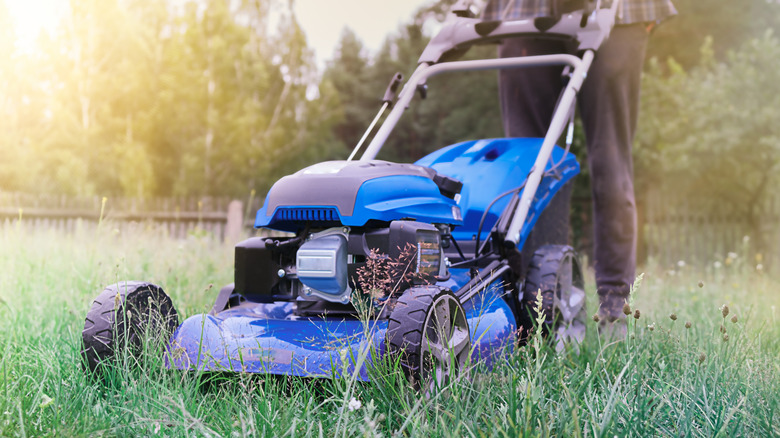
Some people consider the related OHC design to be a better option than other types of OHV engines. By placing the camshaft in the engine block and over the cylinder head, the OHC design doesn't have to use a long pushrod, which simplifies the design and improves the performance and timing of the valves compared to OHV. Because of this design, all OHC engines qualify as OHV, but the reverse is not true.
Essentially, the OHC design can match many of the benefits of OHV small engines, making it useful in situations where the engine needs to be smaller without sacrificing power, which is a common desire with with small engines used in lawn mowers. OHV engines already run cooler than some other designs (like flatheads), which can reduce the risk of having your lawn mower overheat. The OHC design goes a step further by running even cooler than what's available by OHV because of more efficient performance.
OHV and related OHC engines also tend to burn less oil than other designs, meaning you might not have to change the oil in the lawn mower as often. Additionally, some OHC engines use a design that moves oil efficiently throughout all the parts, which maintains better lubricity and temperatures. Generally, the OHC design is considered to be the highest-quality option for small-engine power equipment, such as lawn mowers.