

Will Weeds Come Back After Pulling Them Out?
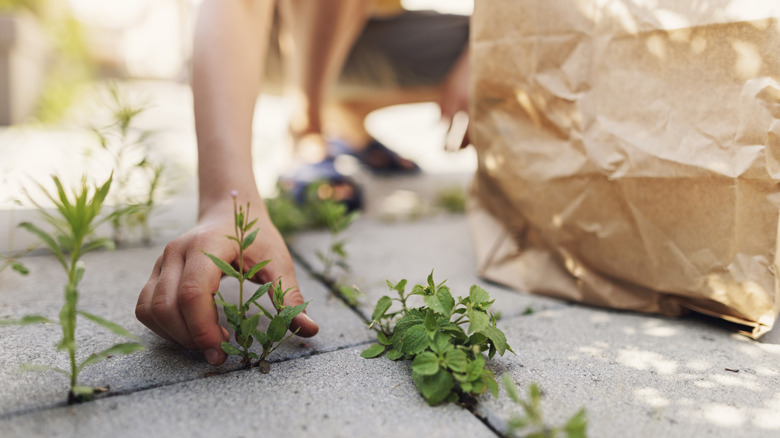
Weeds are the mortal enemy of gardeners everywhere. Aggressive, stubborn, and opportunistic, these unwanted plants have a tendency to pop up just about anywhere you don't want them. There are several ways to get rid of weeds in your garden, and for those who don't want to have to rely on powerful herbicides or completely block large swaths of their property from the sun, hand pulling is an ideal method. Completely ripping the weed up from the ground is free, effective, and provides immediate results, but will this flawless finish actually last? Hand pulling is very successful in permanently eliminating the weed if it's done properly, but if you cut corners, you could be stuck with a stubborn plant that just seems to keep coming back.
Perennial and annual weeds have different ways of making their return after pulling. Because perennial weeds have evolved to thrive in less-than-ideal conditions and can stick around for years on end, many of these plants have extensive root systems that allow them to pull water and nutrients from deep within the soil. Annual weeds, on the other hand, love to drop seeds that further their grip on the area, so even if you've pulled one plant successfully, you could notice another popping up in its place soon after. Preventing weeds from coming back is a challenge, but if you take the time to learn how to fully remove them and minimize their spread, you could significantly reduce the chances of a yard takeover and cut down the effort you have to put in to maintaining a lush and well-manicured lawn and landscape year after year.
Why perennial and annual weeds might return after hand pulling
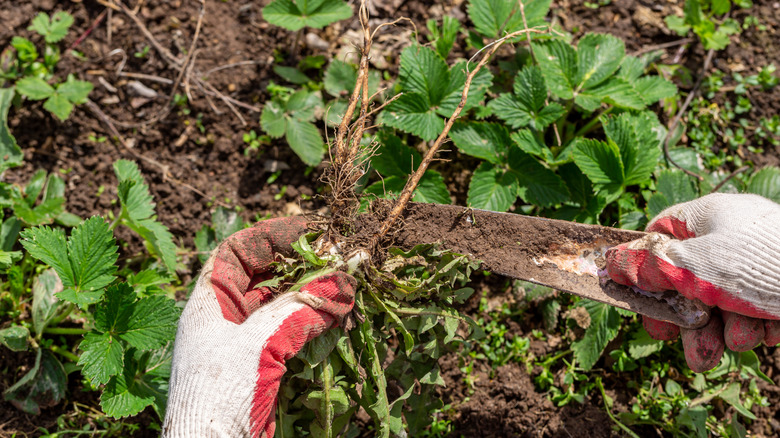
Before you start tackling the unwanted plants in your garden, it's necessary to know thine enemy. Identifying perennial and annual weeds will arm you with the knowledge necessary to provide a proper treatment. Perennial weeds (like dandelions, nutsedge, and quackgrass) have elaborate underground root systems that allow them to survive throughout the winter. They ride out this chilly season and pop back up year after year. While hand pulling can be an effective form of control, it's absolutely necessary to remove the entire plant, root system included. If you give these weeds too hasty of a yank, parts of the roots could break off and re-sprout the next year. Make sure to pull while the ground is damp to minimize resistance, and don't hesitate to utilize specialty weed-pulling tools to root around and make sure there aren't any fragments left behind.
Hand pulling annual weeds, on the other hand, is all about timing. These weeds are generally less resilient to treatment, but they're spreaders — think crabgrass, knotweed, and common chickweed. While it's still important to pull as much of the weed as you can, the primary worry here is that the plant will have already started to spread seeds. There are both winter and summer annuals, so make sure that you stay on top of maintenance and eliminate the weed as soon as you see it pop up year-round. If it's allowed to go to seed, you'll likely see new visitors next year. It won't be the same plant, but it could look like last year's weeds have miraculously re-sprouted in the exact same position after being removed.
How to minimize the chances of weeds coming back
Thorough hand pulling is a great first step in ensuring that weeds don't come back, but the battle doesn't end there. If you truly want to eliminate your weed problem, it's necessary to make the area less hospitable to these invasive plants. While it might sound contradictory, this means improving the conditions in your outdoor space. If your lawn is healthy, the grass will be able to out-compete weeds that pop up — tasks like aerating, regular mowing, watering, and fertilizing will give your grass what it needs to protect itself. Keeping your grass cut higher can also block shorter weeds' access to light, so try to cut to a minimum of 2 to 4 inches depending on the grass type. This approach extends to garden beds, too. Keep your existing plants healthy, and if there are areas that contain exposed soil, add a thick layer of mulch to block out sunlight and keep weeds from taking hold.
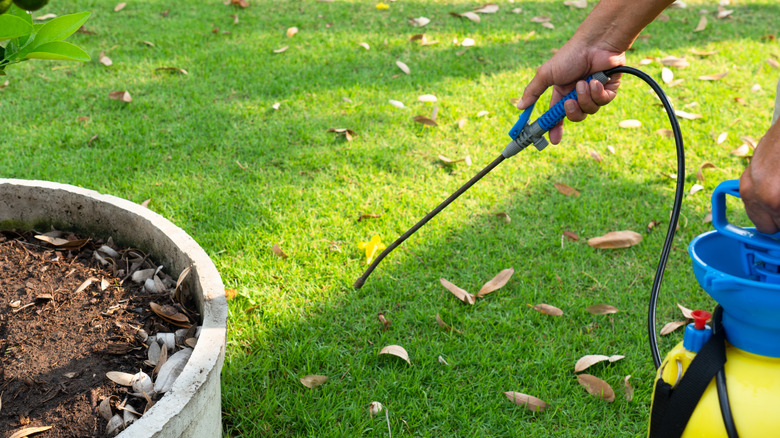
If you're not opposed to the idea, it can also be beneficial to utilize herbicides as an added layer of protection. Pre-emergent herbicides are a great choice if you're worried that you hand pulled your annuals too late and they were able to go to seed. These products should be used a few weeks before weeds get a chance to pop up. Post-emergent herbicides, on the other hand, kill already growing weeds. Be sure to follow all package instructions if you decide to use these products — many of them can be harmful to pets, wildlife, or your existing desirable plants if used improperly.