

Not Just Egg Cartons: The Other Food Storage Finds You Can Add To Your Compost
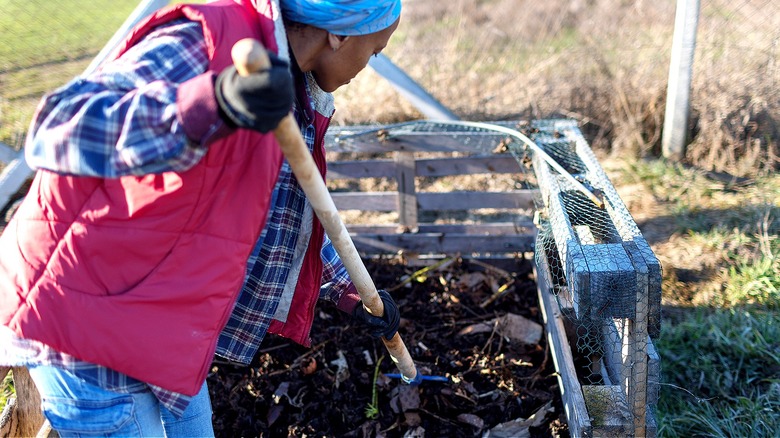
The benefits of composting at home actually extend to things well beyond just scraps of food. For example, egg cartons, shredded paper, and cardboard can be composted. In fact, the next time you're about to throw out empty flour and sugar bags, have a look and see whether or not they can join the pile, too. Once the last spoonful has been well and truly used, plain paper versions of these packs can actually go into your home compost pile just as long as they are 1) made of unbleached paper, and 2) don't contain plastic, tape, wax, glue, or other coatings (the same as cardboard).
Just don't assume that every food packaging that looks like it's made from brown or beige paper is compostable; tear it open and also check for any smooth, shiny, or plastic-like layer. Also, if you aren't sure if the bag is made of unbleached paper, composting is out, but you likely can recycle it still (again, without any of the coating, stickers, etc.).
In a compost pile, compostable flour and sugar bags would count toward the carbon part of the composting ratio. In order to do its job, compost needs a mixture of carbon-rich "browns" (such as dry paper and leaves) and nitrogen-rich "greens" (like fruit and vegetable scraps). Knowing these little tricks means you may have more composting ingredients in the house than you first realized, which can cut down on the amount of otherwise useful organic material heading into the trash.
Give compostable paper packaging a head start
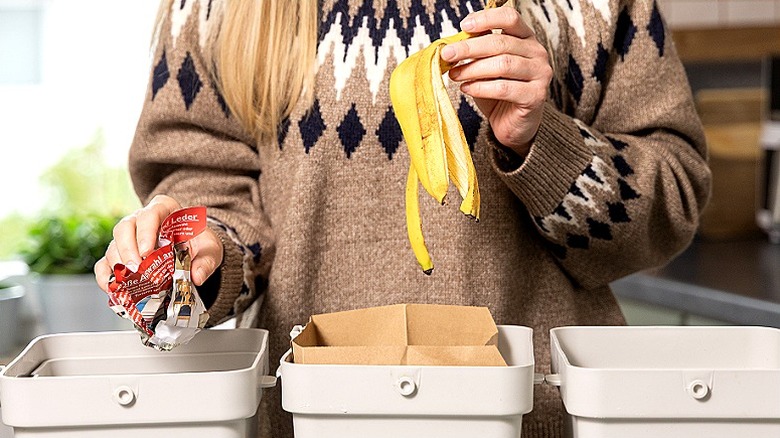
In order to make food paper packaging a little easier for the compost pile to handle, make sure the bag is empty and then tear it up into smaller pieces. You don't need to literally shred it into confetti but try and make the pieces small enough so that they can mix more easily with leaves, food scraps, and other compostable material instead of sitting on top of them. Paper also needs water to soften and break down, but too much can mean that air will struggle to get into the composting pile so there is a balance to strike.
If your compost contains lots of wetter kitchen scraps, then these torn paper flour and sugar bags can actually be of benefit as they will increase the dry materials. However, if your pile is already dry and you're adding in paper, then you can also throw in a little water to mix throughout the pile.
It's a very satisfying circular process. Think about it: You're composting a bag that once carried flour or sugar, and then that compost can later nourish the soil for new ingredients to grow in. This is DIY composting at its most simple, allowing you to have less waste in the trash whilst returning more useful materials to the garden to start the whole cycle again.